How Paint Protection Film Takes the Hit From Rock Chips and Road Debris
GET A QUOTE (484) 866-3022You just drove the Route 78 corridor for work. Thirty minutes of highway. When you park, you look at your hood and bumper. Fresh chips. Again. You find a new one almost every week when you do this commute regularly.
This is the real problem a lot of commuters face. You are not doing anything wrong. You are just driving. But your front end takes a beating every single time you hit the road.
You probably wonder: does paint protection film stop rock chips? The answer is yes. Does paint protection film stop rock chips? It absolutely does. Film stands between your paint and what the road throws at it. Let me walk through what actually happens to your front end on the highway and how film protection absorbs that daily impact.
What Your Front End Experiences Every Week
If you commute on Route 78, I-476, or any highway around Bethlehem, Allentown, and Easton, your front end is under assault every single day. This is not exaggeration. This is just the reality of highway driving in Pennsylvania.
Gravel trucks pass you. They leave trails of small rocks on the road. Dust and sand get kicked up from other vehicles. Winter brings road salt mixed with sand and grit. Summer brings dried tar and fine particles floating at highway speed. Construction areas create chaos. Even maintenance work on the road sends debris flying.
When you are traveling at highway speeds, something that weighs almost nothing still hits with force. A pebble the size of a pencil eraser traveling at sixty miles per hour does real damage to paint. Your hood and bumper take the brunt of it because they are angled upward and forward. You cannot avoid it. You cannot see it coming. You just find the chips after the drive is done.
This happens to every car that drives highways regularly. You are not the only one. But you are definitely noticing it more because you drive it multiple times a week.

Beyond Boundaries
ButtonWhat Road Debris Actually Is
Road debris is not just one thing. It is a mix of different hazards that come from different sources.
Gravel is obvious. It comes from trucks, construction work, and road maintenance. Pea gravel and larger stones get bounced around and end up in your path. A single rock at highway speed creates a rock chip. A few rocks create a pattern of chips across your hood.
Dust and sand particles are smaller but they are everywhere. They come from construction sites, from winter salt treatment areas, from dry conditions. They do not cause chips usually, but they contribute to the overall beating your paint takes.
Road salt in winter gets mixed into the debris that hits your front end. It is just one more hazard your paint has to deal with, on top of the gravel and rocks.
Tar and asphalt particles get sticky in summer heat and can damage paint. Debris from other vehicles, broken parts, and general road wear all end up hitting your car. It is a constant stream of hazards. Your front end is just in the path of all of it.
How Film Actually Takes the Hit
So does paint protection film stop rock chips? Let me walk through what actually happens when the film is there. Without film, a rock hits your clear coat. The impact is enough to crack or chip the clear coat. Paint flakes off. You are left with a visible chip showing bare primer or base coat underneath. The chip becomes a problem.
Now picture the same impact with film protection in place. A rock hits the film. The film is thick enough and flexible enough to absorb that impact energy. The rock might still leave a mark on the film. You might see a small dent or scuff where the rock hit. But your paint is not touched. The film took the hit instead.
This is what film protection actually does. It is a sacrifice layer. It takes the daily beating so your paint does not have to. When you look at a car that has been protected with film for a few years, you see marks where rocks have hit. Those marks are proof that the film worked. Those marks would have been on your paint if the film was not there.
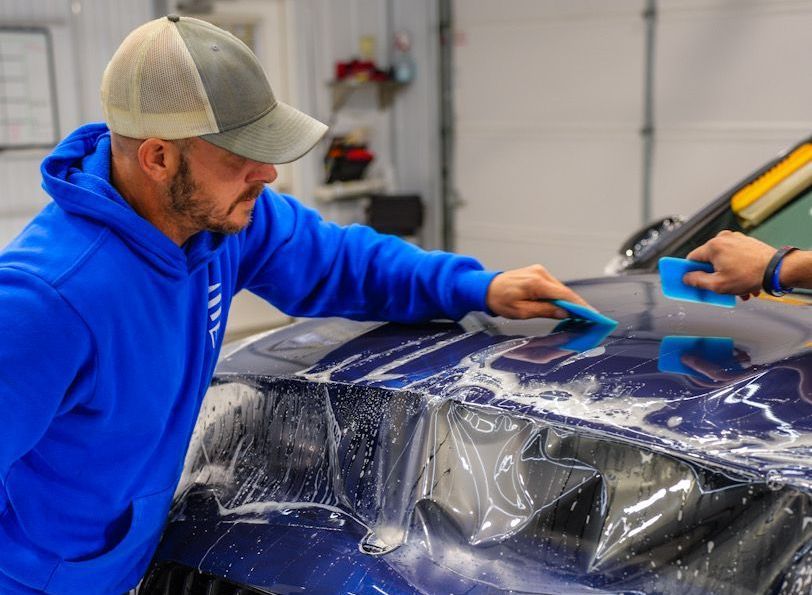
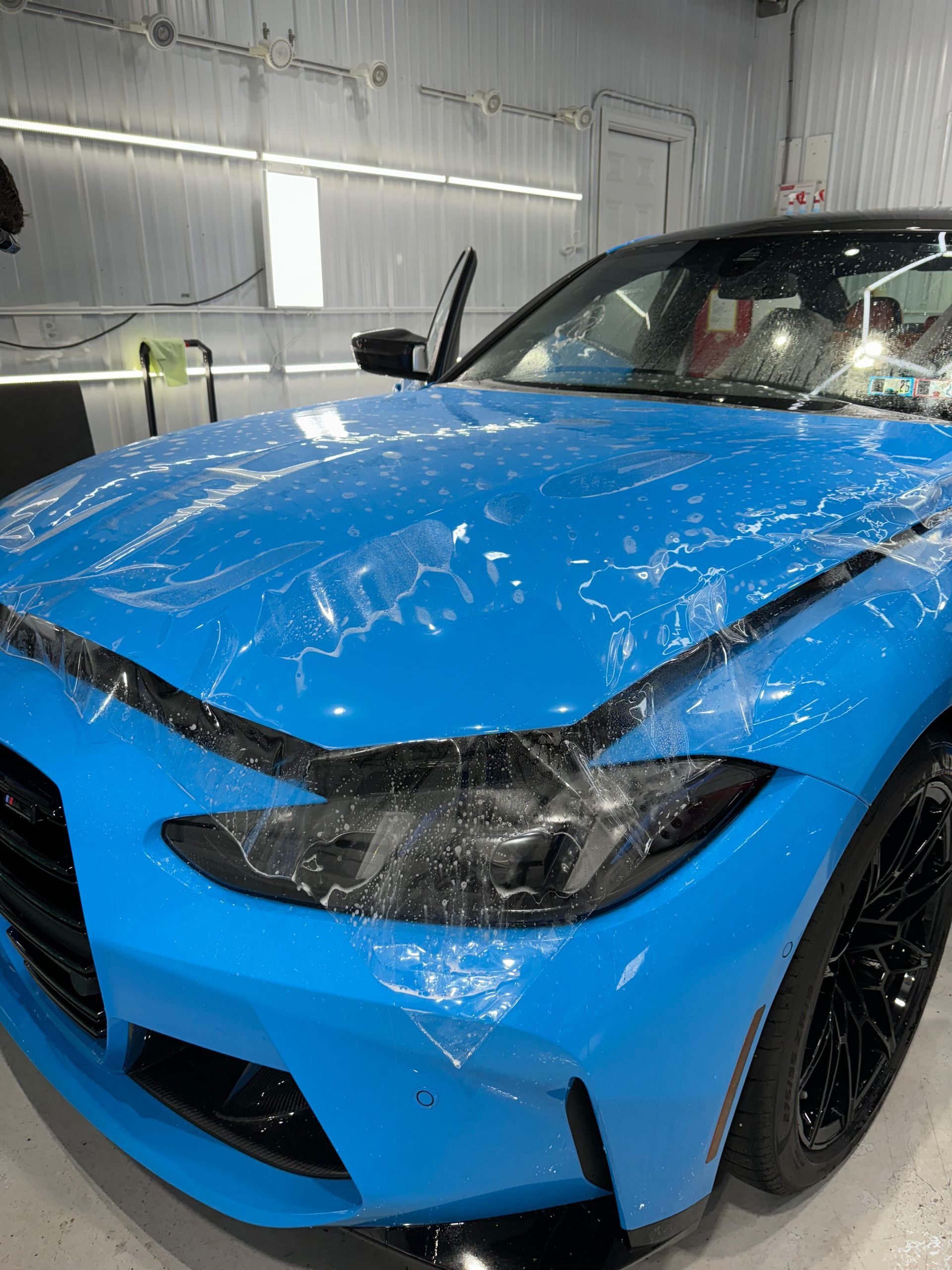
Beadz Auto Detailing applies professional paint protection film in Bethlehem, Allentown, and Easton areas. The film absorbs impacts from road debris and highway driving so your paint stays intact underneath.
Think about the difference. Without film, you spend money and time getting chips repaired. With film, the film absorbs the damage and your paint stays protected. That is the real value. It is not fancy or complicated. When someone asks whether paint protection film stops rock chips, the answer is simple: yes, it does because it is there taking the hit instead of your paint.
Why Your Front End Gets Hit Hardest
Your hood is angled upward at the front. When you drive forward, rocks and debris come at that angle. They hit your hood and bumper first. Your fenders get hit too, particularly if you are following other vehicles or driving through construction areas.
Your front end has no protection from speed and impact the way the sides and rear of your car do. When you hit the highway, everything that is on the pavement ahead of you is potentially coming at your front end. Wind, speed, and trajectory all work together to send debris straight at you.
The faster you drive, the more force behind each impact. A rock bouncing off the road at sixty miles per hour has more energy than the same rock at thirty miles per hour. Highway speed means highway impact damage.
This is why commuters who drive the same routes regularly see chips so predictably. They are experiencing the same hazards every single week.
Local Roads, Local Impact
Bethlehem, Allentown, and Easton are not city driving environments. You have highways. You have construction. You have quarry trucks and gravel delivery trucks. You have winter road treatment with salt and sand. You have seasonal weather changes that create different hazards throughout the year.
In spring and summer, construction season brings gravel trucks and road work. Your commute becomes an obstacle course of debris. In fall and winter, salt treatment and freeze-thaw creates surface damage even without direct rock chips.
Drive the Route 78 corridor or I-476 regularly and you see this pattern. Fresh chips appear almost like clockwork after highway miles. Drivers who make a conscious choice to get film protection before the driving season starts are protecting themselves for the months of impact ahead.
This is the reality of highway commuting in the Lehigh Valley area. Film protection makes sense because highway debris is constant.
Real-World Scenarios: What Film Prevents
Imagine three different commuters in our area. All three drive highways regularly.
The first commuter drives to a job site every morning. The site is in a construction area. Gravel trucks pass her three times a day. Without film, her hood shows new chips within a week. With film, the film absorbs the impacts and her paint stays intact underneath. Over the course of a year, the difference is obvious.
The second commuter drives I-476 twice daily for work. He is not doing anything unusual. He is just commuting like thousands of other drivers. Without film, his bumper and hood accumulate noticeable chips over six months. With film, his paint stays protected underneath while the film takes the impact hits instead.
The third commuter drives highway routes for sales visits. She covers the region. Her exposure to road debris is higher than average. Without film, her front end shows significant damage after a year. With film, she never sees the damage because the film took it instead.
The pattern is the same in all three cases. Road debris and highway driving create the same impact hazards for everyone. Film protection absorbs those impacts before they reach the paint.
Film Has a Finite Life
Film protection does not last forever. This is important to understand. Film is not a one-time solution. It absorbs impacts for several years with proper care. Over time, as it accumulates mark after mark from road debris, it eventually reaches the end of its useful protection period. That is when you replace it.
This is how film works. You get protection for a few years. Then you replace it if you want continued protection. The film did its job. It took impacts that would have damaged your paint. Then you put down a new layer of protection.
This is different from damage control. Without film, you deal with chips permanently. Chips do not go away. They require professional repair to match the paint. With film, you handle impacts at the time, and when the film has served its purpose, you replace it with fresh protection.
Beadz Auto Detailing Paint Protection Film
Beadz Auto Detailing offers professional paint protection film in different coverage options based on how much protection you need. You can protect just your bumper and hood, which are the most vulnerable areas. You can go with a partial front end setup that covers the high impact zones. You can protect your entire front end for full coverage.
The choice depends on your driving habits and where you think the damage will happen most. If you commute highways daily, full front protection makes sense. If you mostly drive city streets but do occasional highway trips, bumper-only protection might be enough.
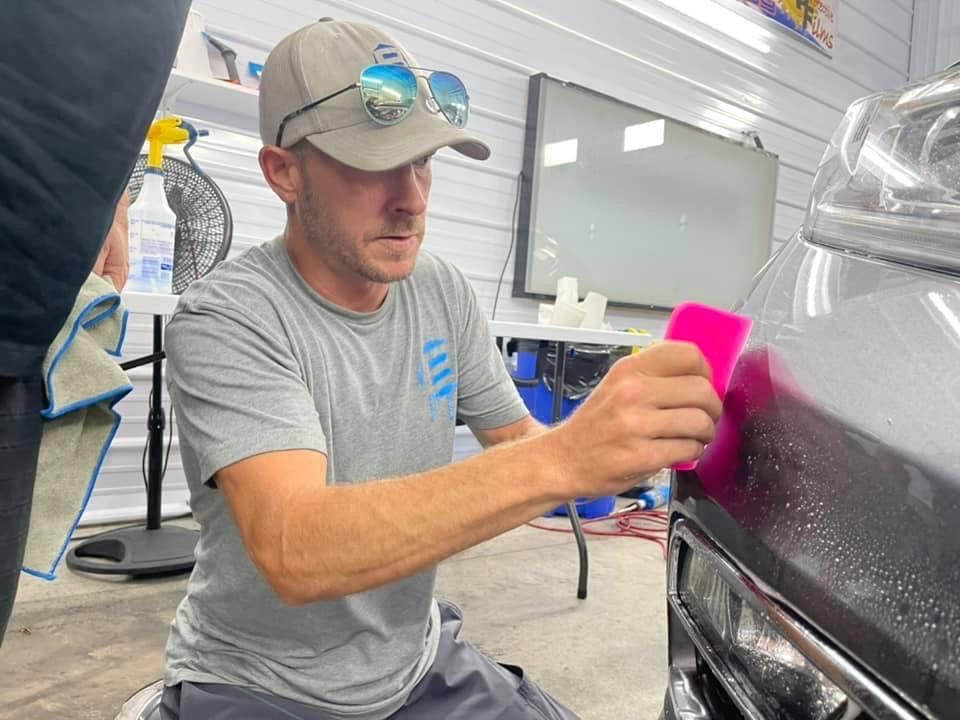
Professional installation means the film is cut precisely for your car and applied correctly. The edges are sealed. The application is done right so the film stays put and does its job for several years. This is not a do-it-yourself project.


Getting Protection Started
If you are finding fresh chips regularly after highway driving, the answer to does paint protection film stop rock chips? is yes, and it is a practical solution for your car. You are not trying to prevent all damage forever. You are trying to protect your paint during the years you own the car.
Think about your driving. How many days per week are you on the highway? What kind of roads do you drive? How many chips are you finding now? If you are finding chips regularly, film protection pays for itself just in not needing chip repairs.
Talk to Beadz Auto Detailing about what makes sense for your car and your commute. We serve Bethlehem, Allentown, and Easton. You can call us, text us, or fill out our quick quote form. Tell us about your driving and what you are seeing on your hood and bumper. We can walk through what coverage level makes sense for how you use your car.
Frequently Asked Question
Does paint protection film really stop rock chips?
Yes. Paint protection film stops rock chips by absorbing the impact before it reaches your paint. When a rock hits the film at highway speed, the film is thick and flexible enough to take that impact. Your paint stays protected underneath. Without film, the same rock would chip your paint. With film, the film takes the damage instead.
What happens to the film when it takes impact?
The film can show marks where rocks have hit it. You might see small dents or scuffs. These marks prove the film is doing its job. Those marks would have been chips in your paint if the film was not there. The marks show that the film absorbed impacts that would have damaged your clear coat.
How long does the film stay on the car?
Paint protection film lasts several years with proper care. The exact length of time depends on how much you drive, how much sun exposure the car gets, and how well you maintain the film. With regular washing and care, film can provide protection for multiple years of highway commuting.
Can you see where impacts hit the film?
Yes. If you look at film that has been protecting your car for a while, you will see marks where rocks have hit it. Small scuffs, tiny dents, or hazy spots show where impacts occurred. These visible marks on the film are actually a good thing. They mean the film absorbed those impacts instead of your paint getting chipped.
What areas need film protection most?
Your hood and bumper are the most exposed to road debris at highway speeds. These two areas take the majority of rock chips. Fenders get hit too, particularly the top corners that face the direction of travel. Mirrors can get impacted from trailing vehicles. Different coverage options protect different combinations of these areas.
Do I need full front or just bumper protection?
It depends on your driving patterns. If you commute highways daily, full front protection covers all the areas that highway debris hits. If you drive mostly city streets with occasional highway trips, bumper and hood protection catches most impacts. Talk to Beadz Auto Detailing about your specific commute and driving habits so we can suggest the right coverage level for you.
What is the difference between highway and city driving impact?
Highway driving creates more impact damage because of speed. Objects that would not harm your paint at city speeds hit with significant force at highway speeds. Also, you spend more time on highways behind trucks and in construction zones. Highway commuting means higher exposure to gravel, dust, and road debris. City driving is lower speed and lower exposure to the same hazards.
How often do I need to replace the film?
After the film has absorbed impacts for several years and reaches the end of its useful life, you can have it removed and replaced with fresh film. The exact timing depends on how much highway driving you do and the condition of the film. Some film lasts several years and then starts to show age. That is when replacement makes sense if you want to keep that protection going.
Can film be repaired if damaged?
Small areas of damaged film can sometimes be patched, but repairs are not always perfect. If damage is extensive, the film is usually replaced in that section. Professional removal and replacement is the best approach for maintaining protection. This is not do-it-yourself work.
Is film protection worth it for my commute?
If you are finding chips regularly after highway driving, film protection is worth the investment. Calculate what you are currently spending on chip repairs and repainting. Compare that to the cost of film protection. Film prevents the damage instead of just fixing it after the fact. For highway commuters in our area, film protection is a practical investment in keeping the paint intact.
How do I know if I am driving enough to need film protection?
If you drive highways several times per week and find fresh chips within a week of driving, you are a good candidate for film protection. If you commute more than a few hours per week on highways, film makes sense. If your car is mostly city driving, you might not need full front coverage. Talk to Beadz Auto Detailing about your specific situation and we can help you decide.
What does the film protect against besides rock chips?
Film protects against all kinds of road debris that come at your front end. Gravel, sand particles, and other debris from the road all hit your car at highway speed. The film absorbs those impacts. Your main concern is rock chips, and film stops those. Beyond that, the film is a barrier between your paint and everything on the road, which keeps your paint cleaner and more protected.