The Future of Automotive Protection: Trends in Ceramic Coating Technology
GET A QUOTE (484) 866-3022Ceramic coating technology continues evolving rapidly. What seemed cutting-edge just a few years ago has become standard. New innovations emerge constantly, changing how we approach paint protection. Understanding these developments helps you appreciate where ceramic coating technology is headed and what future protection might look like.
The ceramic coating industry doesn't stand still. Manufacturers invest heavily in research, developing products that perform better, last longer, and apply more easily. These advances benefit vehicle owners seeking superior protection and professional installers delivering better results.
Self-Healing Technology Advancement
Self-healing topcoats represent one of the most significant recent advances in ceramic coating technology. Modern films respond to heat by eliminating minor surface marks that would otherwise remain permanently visible.
The technology works through polymer structures that reform when exposed to warmth. Surface damage disrupts these structures temporarily. Heat allows polymers to flow back into proper arrangement, erasing visible damage.
Current self-healing technology addresses light surface marks. Future developments aim to handle progressively more serious damage. The practical benefit extends beyond cosmetics - self-healing properties reduce maintenance requirements and extend coating lifespan.
Enhanced Hydrophobic Performance
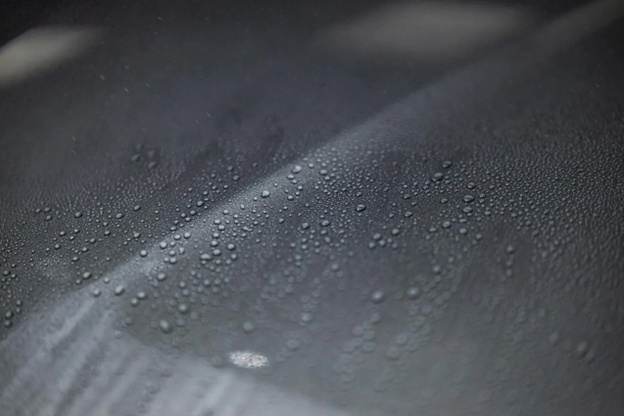
Hydrophobic properties continue to improve dramatically. Early ceramic coatings showed moderate water beading. Modern formulas create extreme hydrophobic surfaces where water sheets off almost instantly.
This improvement comes from advances in surface chemistry. Manufacturers develop coating molecules that bond more effectively while presenting extremely low surface energy to water.
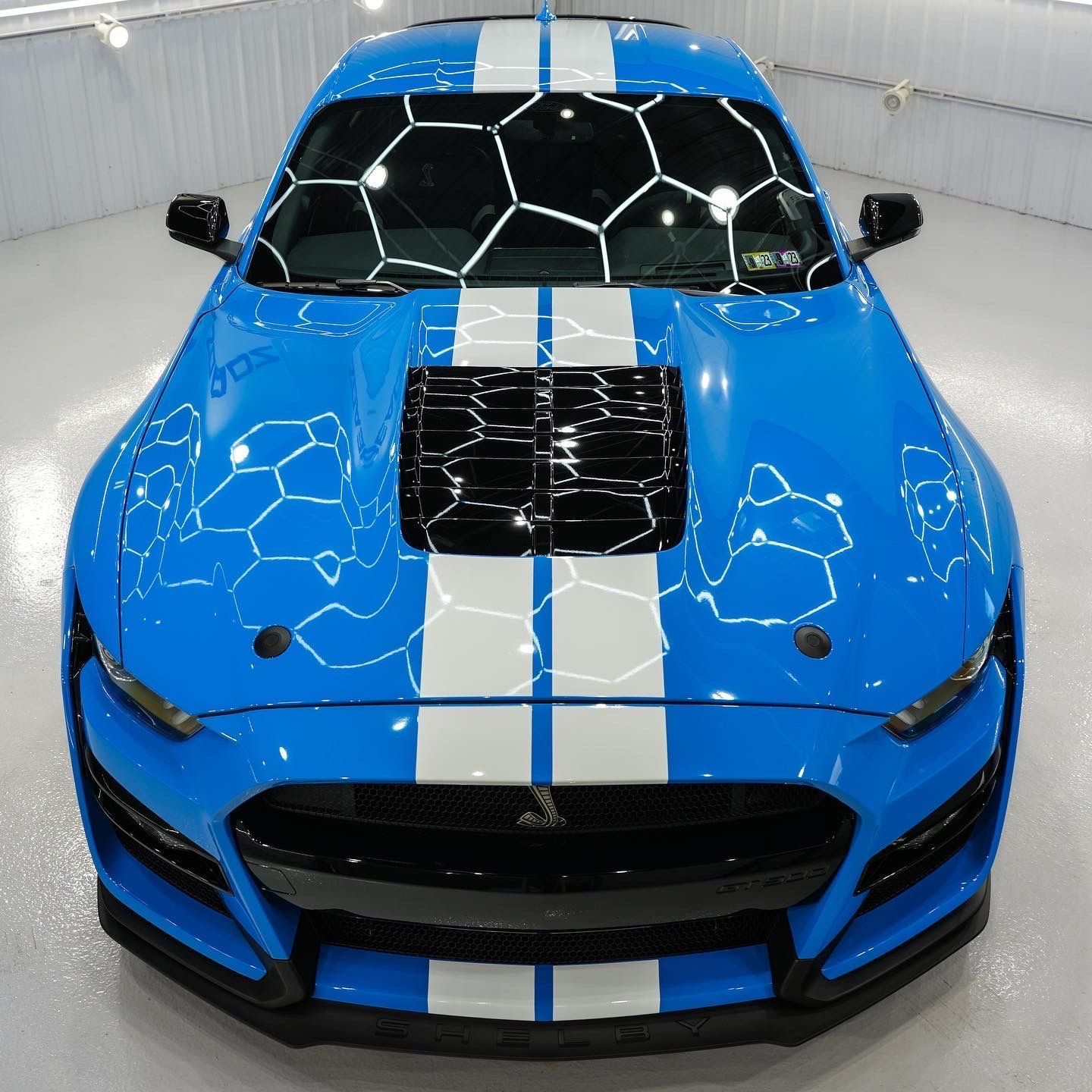
Enhanced hydrophobic performance delivers practical benefits beyond impressive water beading. Superior water repellency prevents water spotting, reduces contamination adhesion, and maintains a cleaner appearance between washes.
Improved Application Accessibility
Professional ceramic coating application historically required significant skill. Application errors created visible defects that are difficult to correct.
Recent technology advances make applications more forgiving. New formulas allow longer working time before curing. They level more effectively, reducing defect formation. These improvements don't eliminate the need for professional installation, but they do reduce error frequency and support better results.
Extended Durability Development
Coating durability has increased dramatically. Early ceramic coatings offered protection measured in months. Current technology delivers protection lasting years. Future developments aim for even longer protection periods.
Durability improvement comes from multiple advances. Better bonding chemistry creates a stronger attachment to paint surfaces. More resilient coating structures resist environmental degradation. Enhanced UV resistance prevents breakdown from sun exposure.
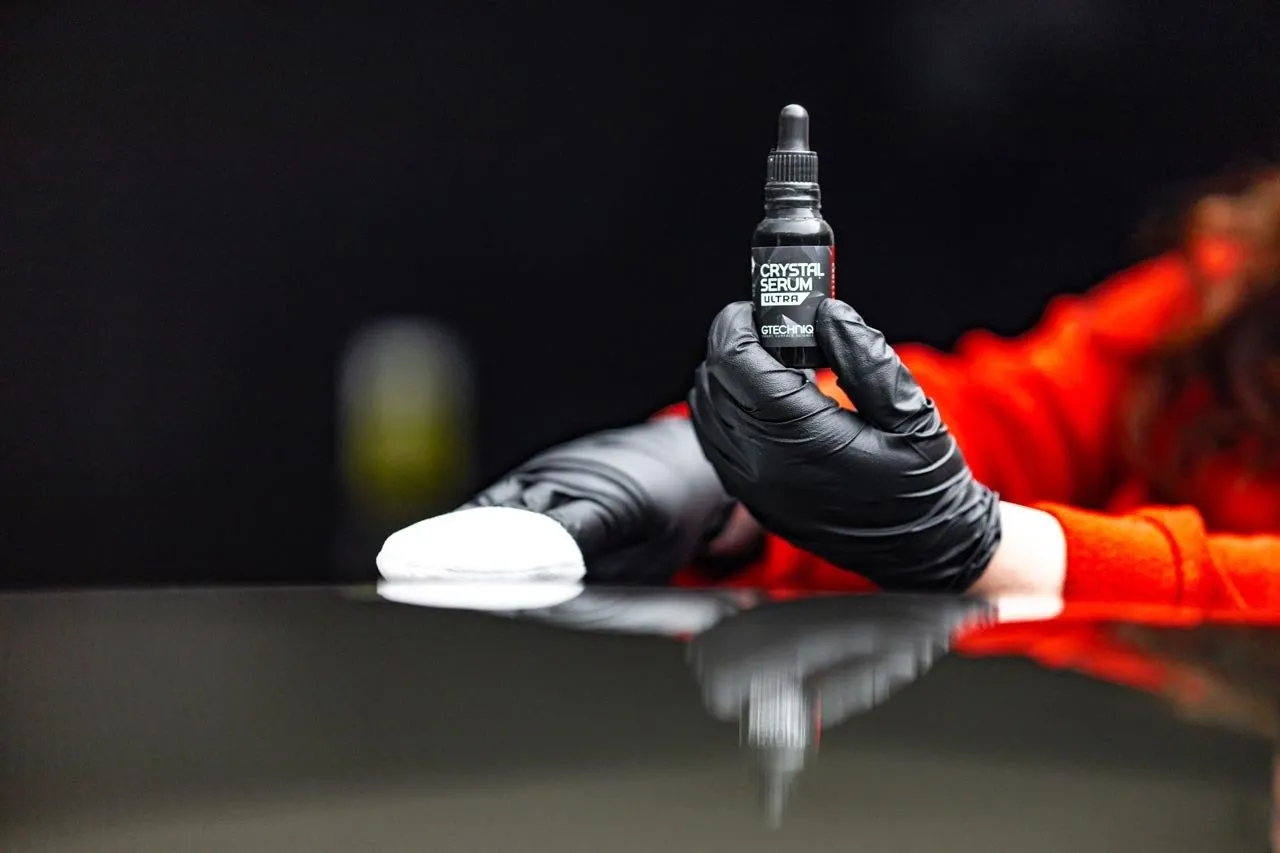
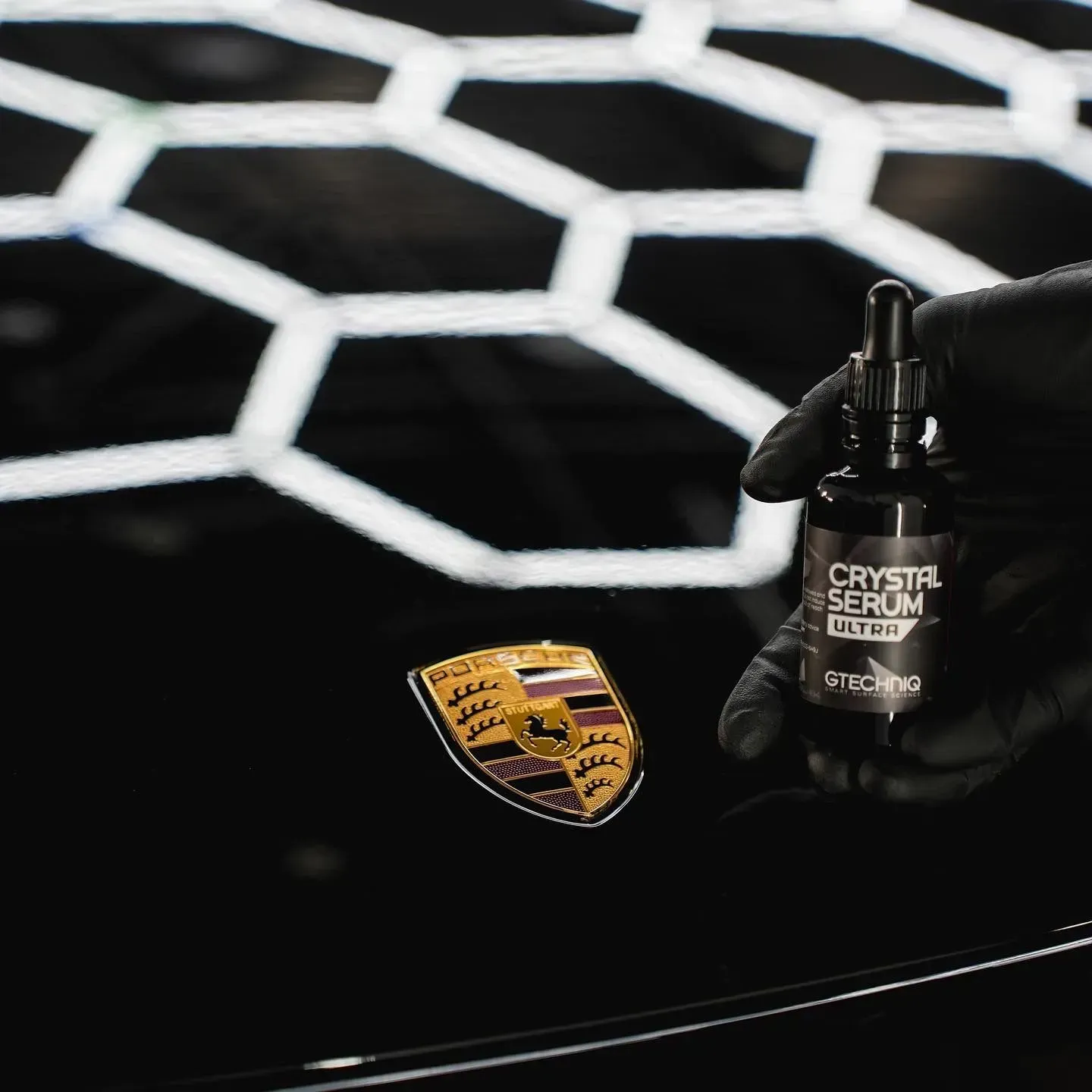
At Beadz Auto Detailing, we work with Gtechniq ceramic coatings representing current durability standards. These formulas demonstrate what modern ceramic coating technology achieves in longevity and protection maintenance.
The push toward extended durability addresses practical vehicle ownership patterns. Longer-lasting protection reduces reapplication frequency and total ownership cost. Durability advances make ceramic coating more practical for a broader vehicle owner base.
Integration with Paint Protection Film
Ceramic coating and paint protection film increasingly work together rather than competing. This integration creates layered protection combining physical barrier benefits with coating performance advantages.
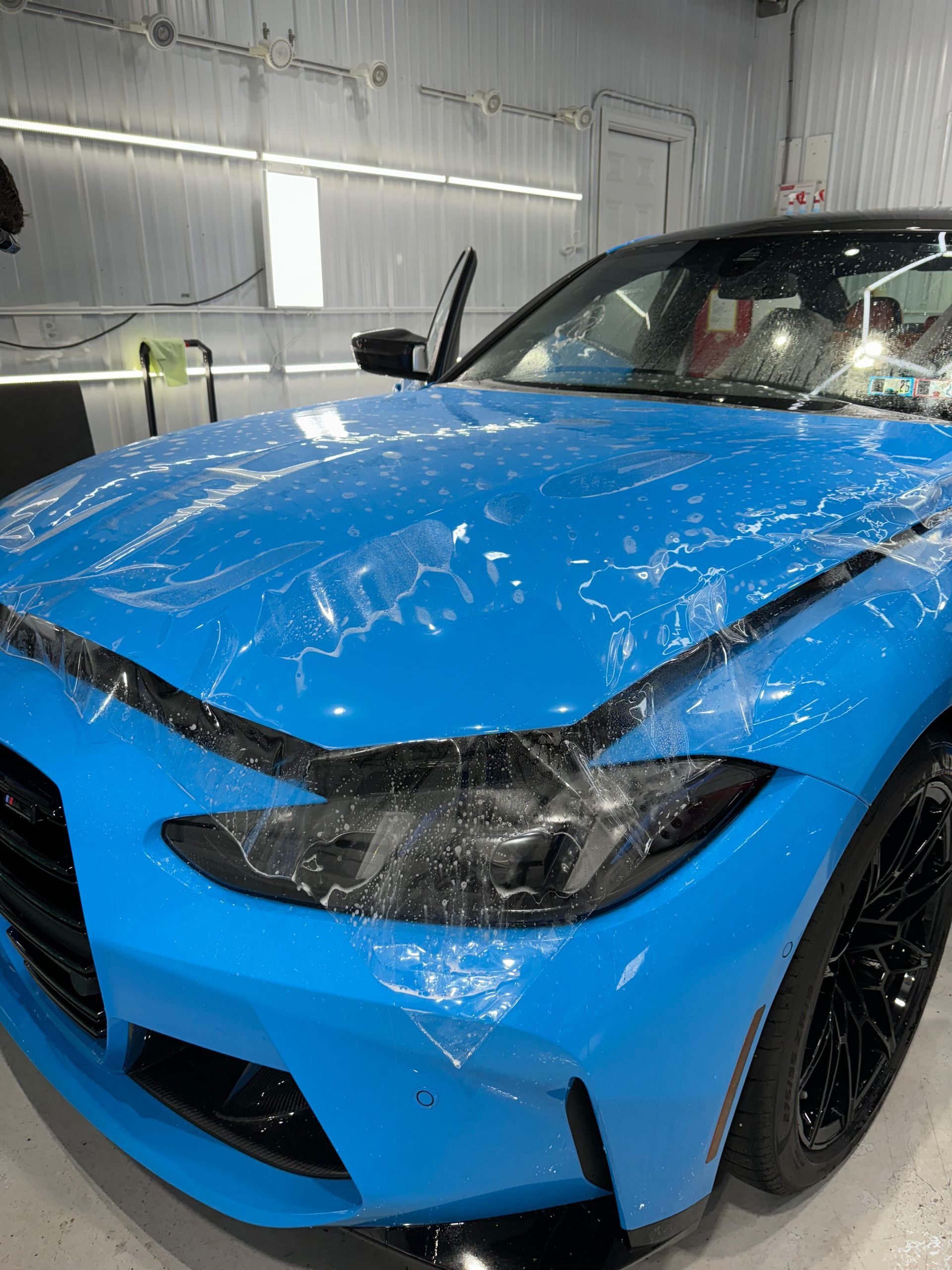
Modern PPF formulas incorporate coating-friendly surfaces. This compatibility lets owners combine protection types for comprehensive coverage. PPF prevents physical damage, while coating provides hydrophobic properties and gloss enhancement.
Environmental Sustainability Focus
The automotive protection industry increasingly emphasizes environmental responsibility. Coating manufacturers develop formulas with reduced environmental impact without compromising performance.
Water-based coating formulas reduce volatile organic compound emissions. Improved durability means fewer reapplications and less material consumption. Enhanced application efficiency reduces product waste during installation. This focus represents genuine industry evolution toward sustainable protection solutions.
Market Evolution and Accessibility
Ceramic coating technology once served only the luxury vehicle market. Market evolution has expanded coating availability across a broader vehicle ownership spectrum.
Increased competition drives innovation while moderating costs. Professional installation networks expand, improving service accessibility. This democratization benefits vehicle owners seeking quality protection without luxury vehicle budgets.
Future Innovation Directions
Several emerging technologies may shape the future of ceramic coatings. Research explores graphene-enhanced formulas offering superior hardness and durability. Nanotechnology advances promise coatings that bond at the molecular level for unprecedented adhesion. Smart coatings that respond to environmental conditions could adjust properties automatically.
These developments remain largely in the research phase. However, they indicate where technology might head. The ceramic coating industry continues investing in innovation that pushes protection capabilities beyond current limits.
Professional installers who stay informed about technological advances can better serve customers and explain protection evolution. Understanding where technology is headed helps position current offerings while preparing for future developments.
Navigating Technology Advancement
Rapid technological advancement creates both opportunity and confusion. New products constantly claim revolutionary improvements. Some deliver genuine advances. Others represent incremental changes marketed as breakthroughs.
Navigating this landscape requires understanding real innovation versus marketing hype. Professional installers working with established manufacturers like Gtechniq can provide a perspective on which advances deliver meaningful improvements.
The best approach combines appreciation for technological progress with a realistic assessment of actual benefits. Not every new product represents a game-changing advancement. However, genuine innovations do emerge regularly, improving protection options for vehicle owners.
Applying Current Technology Effectively
While anticipating future developments, current technology already delivers exceptional protection. Modern ceramic coatings provide performance that would have seemed impossible just years ago.
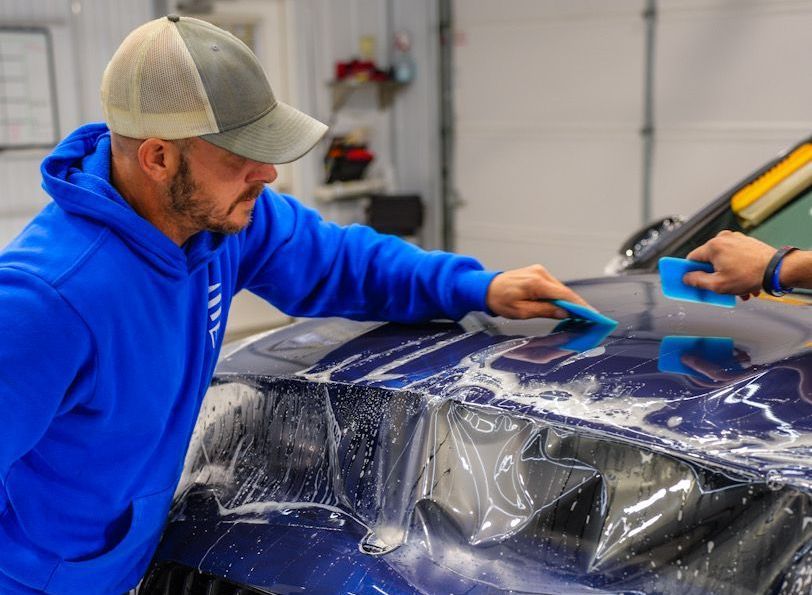
The key is professional application, maximizing current technology potential. Even the best coating formulas underperform when improperly installed. Professional installation ensures you benefit from all the advances current technology offers.
Ready to protect your vehicle with current ceramic coating technology? Contact us to discuss protection options. We'll explain how current innovations benefit your vehicle and deliver protection that reflects the latest technology advances.
Frequently Asked Questions
How often does ceramic coating technology change significantly?
The ceramic coating industry evolves continuously, with meaningful advances emerging regularly. Major improvements in durability, hydrophobic performance, or application characteristics appear periodically. However, dramatic revolutionary changes are less common than incremental improvements. Established manufacturers like Gtechniq develop new formulas based on ongoing research rather than frequent complete product overhauls.
Should I wait for next-generation coatings before protecting my vehicle?
Current ceramic coating technology already delivers excellent protection. Waiting for future advances means leaving your paint unprotected during that time. The damage your paint sustains while waiting likely exceeds any benefit from slightly improved future formulas. Protecting your vehicle now with proven technology makes more sense than delaying for uncertain future improvements.
Do older ceramic coatings become obsolete when new technology emerges?
Existing ceramic coatings don't become obsolete when newer formulas appear. Properly installed coatings continue providing protection throughout their rated lifespan regardless of subsequent product releases. New technology offers improvements for future applications rather than invalidating existing protection. Your current coating remains effective even as newer options become available.
How can I tell if new coating claims represent real innovation?
Genuine innovations typically come from established manufacturers with research capabilities and track records. They provide technical explanations for improvements rather than vague marketing claims. Professional installers familiar with coating technology can assess whether new products offer meaningful advances. Skepticism toward dramatic claims without substantiation helps identify actual innovation versus marketing hype.
Will future coatings require different maintenance than current products?
Future ceramic coatings will likely require similar basic maintenance - regular washing with appropriate products and techniques. Advances may make maintenance easier or reduce frequency requirements, but fundamental care principles probably won't change dramatically. Any new maintenance requirements would come with clear manufacturer guidance, ensuring owners can maintain protection properly.