How to Choose the Right PPF Coverage Package for Your Driving Habits
GET A QUOTE (484) 866-3022Choosing paint protection film coverage shouldn't be guesswork. Your driving patterns directly influence which protection level makes sense. Understanding PPF coverage selection based on how you actually use your vehicle ensures you invest in appropriate protection without overspending on unnecessary coverage or leaving vulnerable areas unprotected.
Different drivers expose their vehicles to different threats. Daily commuters face constant road debris. Weekend enthusiasts prioritize appearance preservation. Track day participants need comprehensive protection addressing aggressive driving exposure. Matching coverage to usage creates a sensible protection investment.
Understanding Your Driving Profile
Before selecting PPF coverage, assess how you actually drive. This evaluation reveals which protection level addresses your real exposure patterns.
- Daily driving patterns: Your regular routes determine baseline exposure. Highway commuting generates high-speed rock chip threats. Urban driving involves lower speeds but more parking lot contact risks. Rural roads introduce vegetation contact and gravel exposure.
- Vehicle usage frequency: How often you drive affects total exposure accumulation. Daily drivers rack up miles quickly. Weekend vehicles see limited exposure but often get stored improperly. Occasional-use cars might need protection emphasizing storage-related threats.
- Parking environments: Where your vehicle sits matters significantly. Garage parking protects from environmental exposure. Street parking exposes paint to weather, tree debris, and pedestrian contact. Your parking situation influences which threats need addressing.
Assessing Protection Priorities
Different owners prioritize different protection aspects. Your priorities guide coverage decisions more effectively than generic recommendations.
Consider whether maintaining resale value drives your protection decision. Pristine paint significantly affects luxury and performance vehicle values. Comprehensive protection preserving original paint condition justifies a higher investment for future resale.
Think about your paint perfection expectations. Some owners accept minor chips as normal wear. Others want a flawless appearance. Your acceptable imperfection level determines how much coverage makes sense.
Evaluate your vehicle's value and replacement cost. Higher-value vehicles justify more comprehensive protection aligned with vehicle worth.
Coverage Package Overview
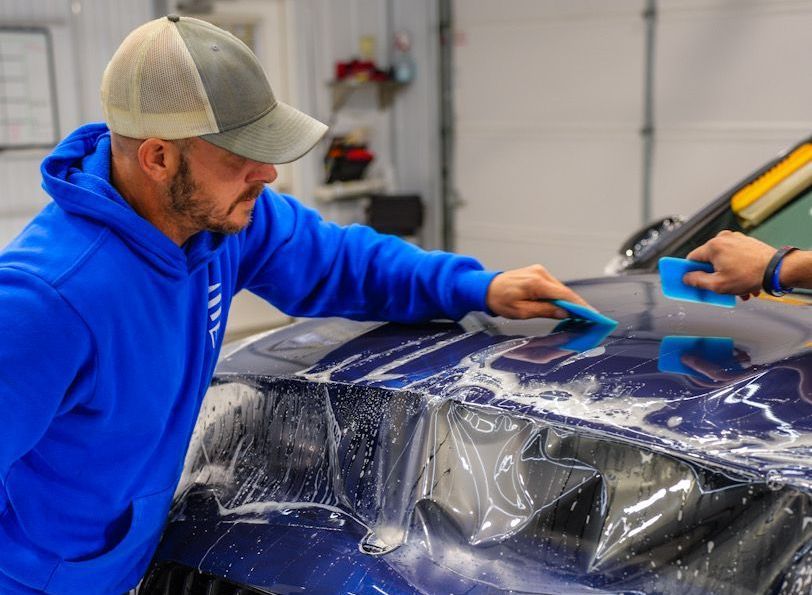
Understanding available coverage options helps match protection to needs. At Beadz Auto Detailing, we offer multiple PPF packages addressing different protection requirements.
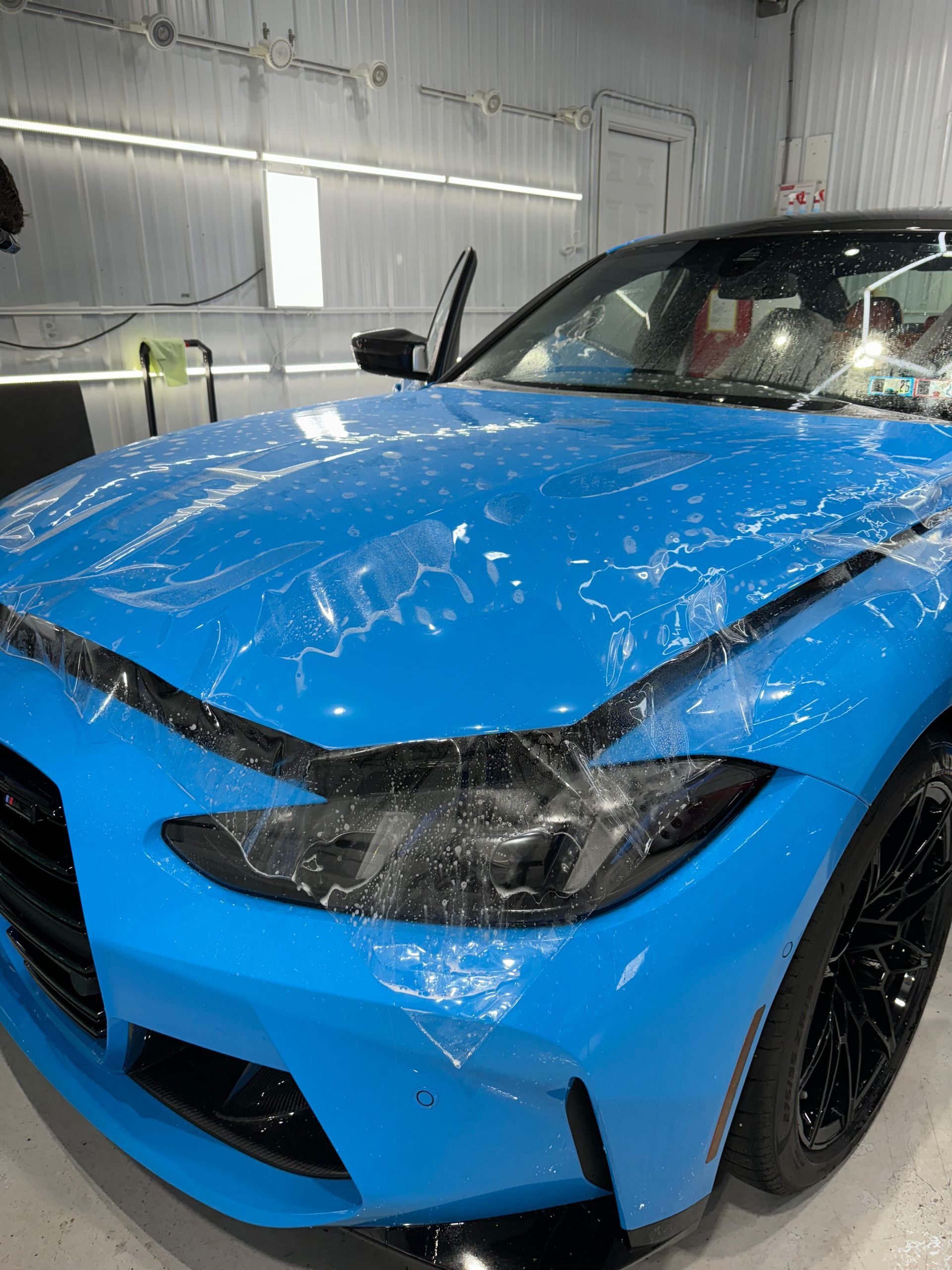
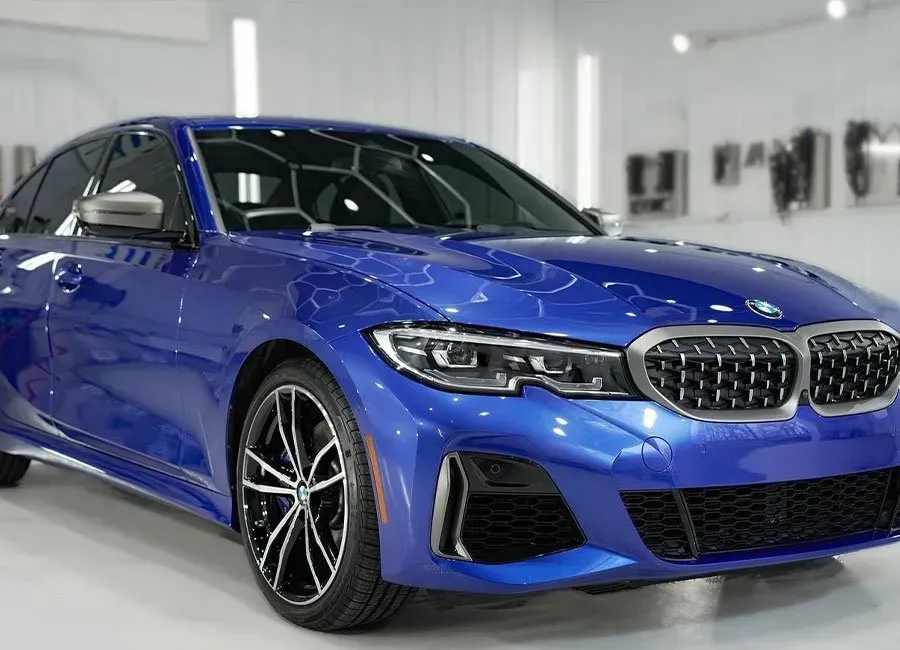
- Targeted coverage options: Bumper-only protection addresses the highest-impact area. A partial front adds headlight protection. Full front covers everything facing forward. These targeted options work well for specific exposure patterns.
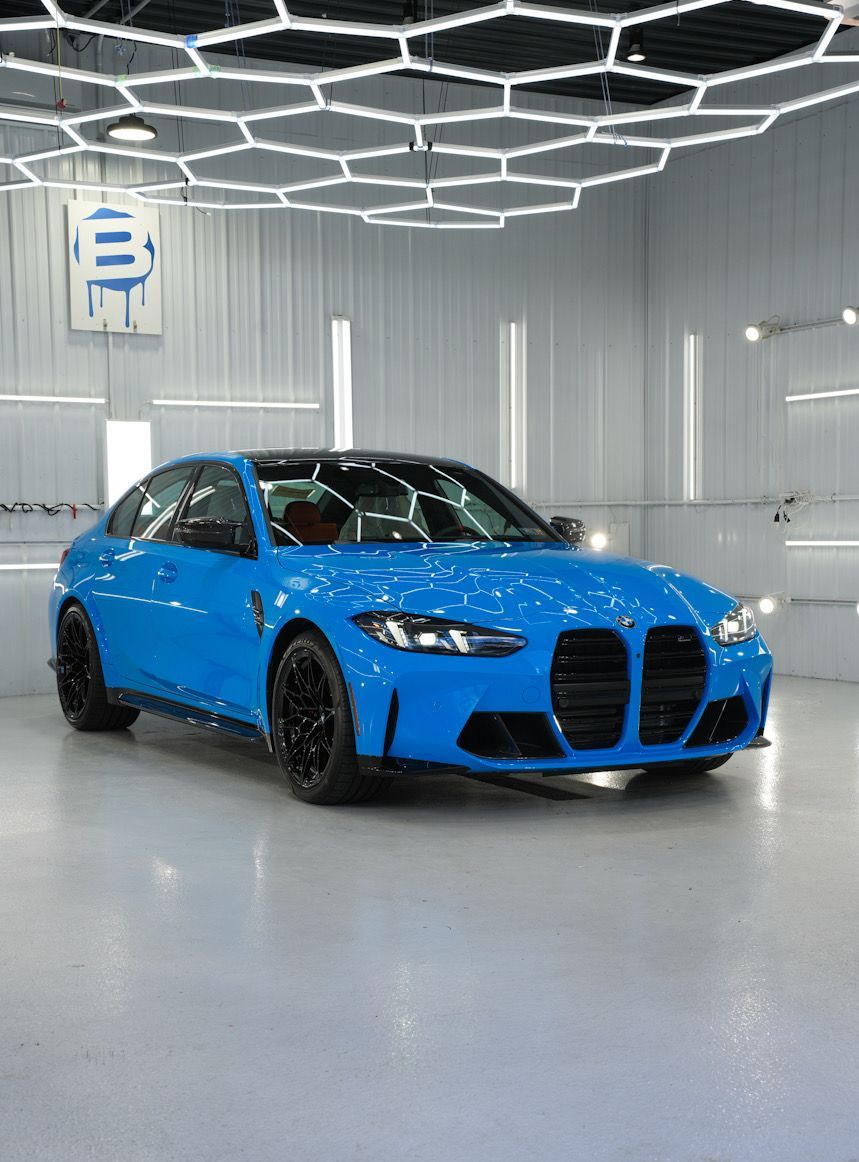
- Comprehensive coverage options: Track packages extend protection to areas exposed during performance driving. Full body coverage protects every painted surface. These options address elevated exposure or perfectionist expectations.
Coverage selection should reflect actual vehicle use rather than aspirational driving patterns. If you never track your vehicle, the track package features won't benefit you.
Scenario-Based Coverage Recommendations
Different driving scenarios suggest different optimal coverage levels.
- The daily highway commuter: High-speed highway driving generates severe rock chip exposure. Full front coverage makes sense, protecting the bumper, hood, fenders, and mirrors that face oncoming threats. The investment prevents damage from accumulating quickly from daily high-speed exposure.
- The urban daily driver: City driving involves lower speeds but presents parking challenges. Door edges, lower panels, and bumper corners face contact risks. Targeted coverage might suffice, though a full front still protects against road debris exposure at lower speeds.
- The weekend enthusiast: Limited driving means lower total exposure, but careful ownership suggests high paint quality expectations. Full front coverage preserves appearance while addressing road damage during occasional drives.
- The performance driver: Track days and spirited driving generate unique exposure patterns. Higher speeds increase impact energy. Tracking package coverage, addressing elevated exposure patterns, makes sense when aggressive driving represents regular usage.
- The all-weather commuter: Various weather conditions expose paint to road salt, standing water, and seasonal debris. Full front protection prevents corrosion-related damage and contamination affecting the paint long-term.
Budget Considerations in Coverage Selection
Coverage level directly affects the investment required. Balancing protection needs with available budget creates a practical selection.
More extensive coverage requires more material and installation time. However, insufficient coverage means accepting damage to unprotected areas. The goal is right-sized protection delivering value without unnecessary expense.
Consider long-term protection cost versus coverage level. Comprehensive coverage costs more initially but protects more paint from expensive repair. The economic analysis should consider potential repair costs for unprotected areas.
Common Selection Mistakes to Avoid
Several common errors compromise coverage decisions.
- Underestimating exposure: Many owners underestimate actual paint exposure. Daily commutes accumulate more miles than expected. Parking lot contacts happen frequently. Highway debris impacts occur constantly. Realistic exposure assessment prevents inadequate coverage selection.
- Over-protecting low-risk areas: Some owners invest in protection covering areas that rarely sustain damage. Protecting surfaces that don't face exposure wastes investment. Coverage should concentrate on where threats actually exist.
- Ignoring usage pattern changes: Current driving patterns might not reflect future use. Select coverage accommodating anticipated patterns, but don't overinvest based on unlikely future scenarios.
Making Your Coverage Decision
PPF coverage selection requires honest self-assessment about vehicle use and protection priorities. The right coverage level matches your actual driving patterns, protection expectations, and budget realities.
Document typical vehicle use over an adequate period. Note driving frequency, route types, parking situations, and unusual exposure patterns. This real-world data reveals your actual exposure profile.
Compare your usage profile against coverage options. Identify which package addresses your primary exposure threats without extending to rarely-exposed areas.
Consider starting conservatively if uncertain. Many owners find that full front coverage addresses most real-world exposure effectively. You can always add extended coverage later if usage patterns change.
Professional Assessment Adds Value
While self-assessment provides a foundation for coverage decisions, professional evaluation adds perspective. Installers familiar with different coverage levels can offer guidance based on extensive experience.
Professional assessment considers factors you might overlook. Installers recognize vehicle-specific vulnerabilities and understand how different driving environments affect various vehicle areas.
At Beadz Auto Detailing, we evaluate your vehicle and discuss your actual driving patterns before recommending coverage. We match protection to genuine needs, so you receive value from your investment.
Ready to select optimal PPF coverage? Contact us to discuss your driving patterns and protection needs. We'll assess your vehicle, explain coverage options, and recommend protection that makes sense for how you actually use your car.
Frequently Asked Questions
Can I add more coverage later if my driving patterns change?
Yes, PPF coverage can be expanded over time. Many owners start with targeted coverage and add extended protection as usage patterns evolve or protection priorities change. The existing film remains in place while additional panels receive protection. This staged approach lets you increase coverage as needs develop without committing to comprehensive protection initially.
How do I know if I'm choosing too much or too little coverage?
Too much coverage protects areas that never sustain damage in your usage pattern, wasting investment. Too little coverage leaves frequently-damaged areas unprotected, requiring paint repair. The right balance protects areas that actually face exposure in your driving while avoiding unnecessary coverage on protected surfaces. Professional assessment helps identify this balance.
Does coverage level affect installation quality or durability?
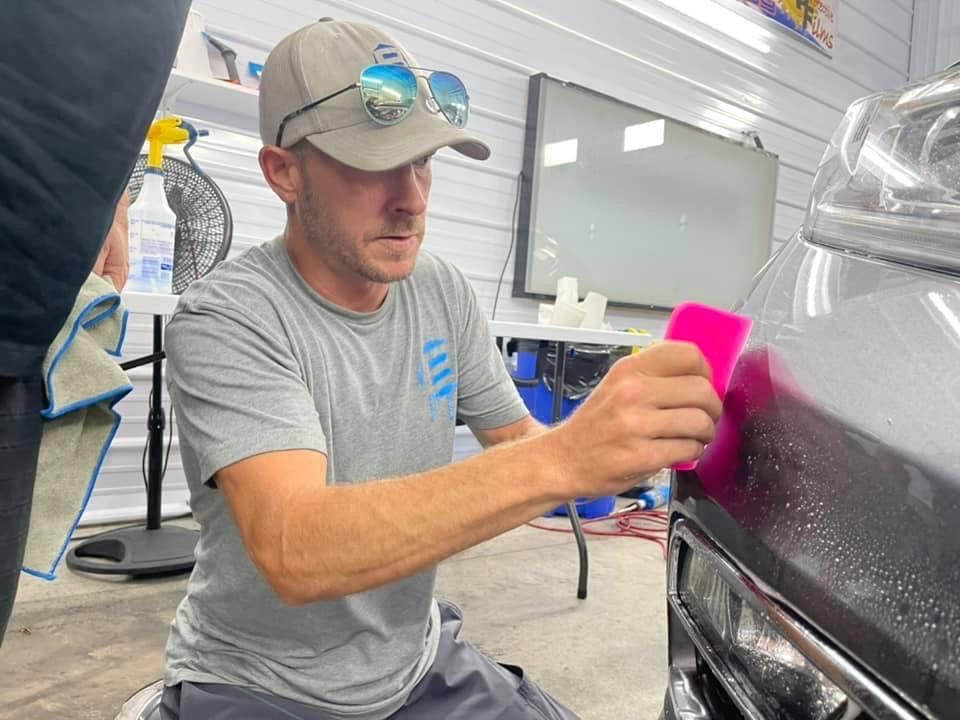
Coverage level affects how much surface area receives protection, not installation quality or film durability. Extensive coverage requires more installation time and material but uses the same professional techniques and STEK films regardless of package level. Quality remains consistent across coverage options.
Should I choose coverage based on my current car or future vehicle plans?
Select coverage for your current vehicle based on how you actually drive it now. Don't overinvest based on a vehicle you might purchase eventually. If you expect to replace your vehicle soon, minimal coverage might make more sense than the comprehensive protection you won't enjoy long enough to justify the investment.
What if my driving includes both daily commuting and occasional track use?
Mixed usage patterns require balanced coverage decisions. If track use is occasional, full front coverage addressing daily commuting exposure might suffice. If track days represent regular activity, a comprehensive track package coverage addressing both road and performance driving exposure makes sense. The frequency and intensity of different usage types guide the appropriate coverage level.