Paint protection film installation looks straightforward until you try it yourself. Then you discover why professional installers spend years mastering the craft. Understanding common PPF installation mistakes helps you recognize quality work when you see it and appreciate why expertise matters so much in this field.
Whether you're considering DIY installation or evaluating professional installers, knowing what can go wrong helps you make better decisions. Some mistakes are immediately obvious. Others don't show up until later, when the damage is already done. Let's walk through the most common errors and how proper technique prevents them.
The Surface Preparation Mistake That Ruins Everything
This is the number one error that destroys PPF installations before they even begin. Installers skip thorough surface preparation or do it halfway, thinking they can get away with minimal effort. They're wrong every single time.
Proper surface prep isn't optional. It's the foundation that determines whether your PPF bonds correctly and lasts for years or fails prematurely. At Beadz Auto Detailing, we never skip this step because we've seen what happens when others do.
Here's what adequate surface preparation requires:
- Complete decontamination to remove embedded particles
- Clay bar treatment for bonded contaminants
- Paint correction to eliminate swirl marks and defects
- Panel wipe with proper chemicals to ensure a clean surface
- Inspection under proper lighting to verify cleanliness
- Paint thickness measurement to assess clear coat condition
When installers skip these steps, the PPF goes over contaminated or imperfect paint. Dust particles create bumps under the film. Contaminants prevent proper adhesion. Surface defects become magnified and permanent. The installation looks bad immediately or fails prematurely.
Cutting on the Paint: A Dangerous Shortcut
Some installers hand-cut PPF directly on your vehicle's paint. They use a blade on your clear coat to trim excess film. This practice is incredibly risky and shows a lack of proper training or equipment.
Every time a blade touches your paint, there's a risk of cutting through the clear coat. Even skilled hands slip occasionally. One mistake leaves a permanent cut in your paint that requires repair. The PPF might cover it, but the damage exists underneath forever.
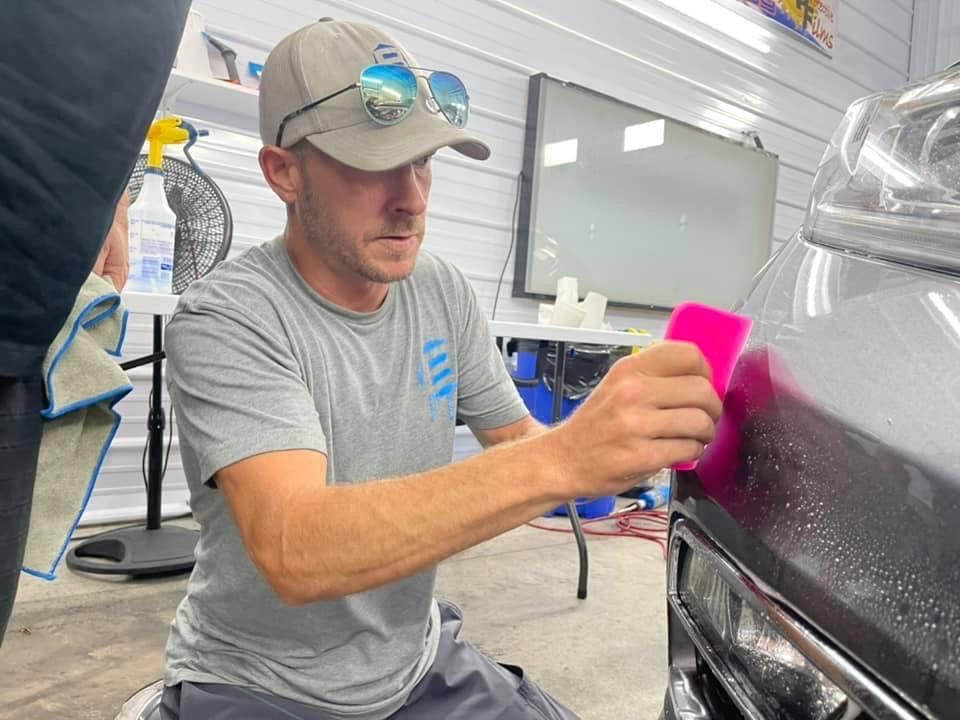
Professional installations use computer-generated patterns that are pre-cut to fit your specific vehicle. The film arrives already shaped for your panels. Minimal trimming happens on the vehicle itself, and when it does, installers use techniques that never involve cutting into paint.
STEK paint protection films work with precision patterns that eliminate the need for aggressive on-vehicle cutting. When you see an installer pulling out a blade to trim film on your paint, that's a major red flag indicating amateur technique.
Environmental Control Failures
PPF installation requires a controlled environment. Temperature, humidity, and cleanliness all affect how well the film adheres and cures. Installing film in uncontrolled conditions creates problems that might not show up immediately but definitely appear later.
Common environmental mistakes include:
- Working in spaces with fluctuating temperatures that affect adhesive performance
- Installing in dusty areas where particles contaminate the film
- Applying PPF in direct sunlight causes premature curing
- Working in high humidity prevents proper adhesion
- Using spaces where other work creates airborne contaminants
These conditions compromise the installation from the start. The adhesive might not activate properly. Dust gets trapped under the film. Temperature variations cause bubbles or lifting. You end up with protection that looks questionable and performs worse.
Professional shops maintain dedicated installation bays with climate control and filtered air. They understand that PPF installation demands specific conditions to deliver results that last. Cutting corners on the environment means cutting corners on quality.
The Stretching and Distortion Problem
PPF is designed with some stretch to conform to vehicle curves. However, over-stretching the film during installation causes permanent distortion, thinning, and eventual failure. This mistake happens when installers try to force film into positions it wasn't designed for.
Overstretched film shows several problems. The material becomes thinner in stretched areas, reducing protection effectiveness. Distortion creates visible texture variations across the surface. The film develops stress points that lead to premature lifting or tearing. Self-healing properties don't work properly in overstretched areas.
Proper installation involves minimal stretching using correct techniques. Computer-generated patterns account for vehicle curves, so the film naturally conforms without excessive force. When you see ripples, waves, or uneven texture in installed PPF, that's evidence of stretching problems.
Poor Edge Sealing and Lifting
Edges are the most vulnerable part of any PPF installation. When edges aren't sealed properly, moisture and dirt work underneath the film. This causes lifting that spreads over time, eventually requiring removal and reinstallation.
PPF installation mistakes related to edges include:
- Not wrapping edges around panels when possible
- Leaving visible edge gaps where paint remains exposed
- Failing to properly seal edges after installation
- Cutting edges too short so they don't reach panel boundaries
- Installing over damaged or rough paint edges
Quality edgework is one of the clearest signs of professional installation. The edges should be nearly invisible, either wrapped around the panel or precisely aligned with body lines. When you see obvious film edges or gaps, that installation won't last as long as it should.
We spend significant time on edge work during every PPF installation because we know it's where problems develop. Proper edge sealing makes the difference between protection that lasts years and protection that fails prematurely.
Bubble and Contamination Issues
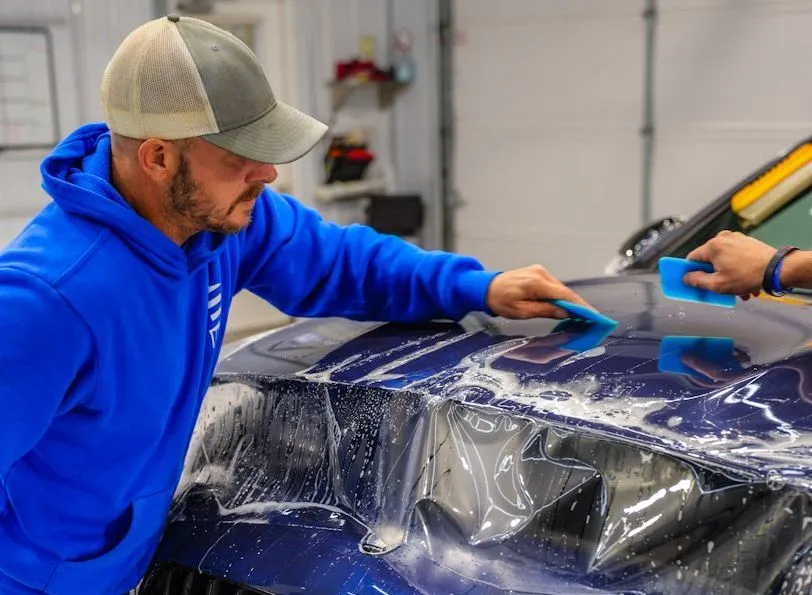
Bubbles under PPF come from two sources: trapped air during installation or contamination on the paint surface. Both indicate poor installation technique. While small bubbles sometimes work themselves out, larger bubbles or numerous small ones signal real problems.
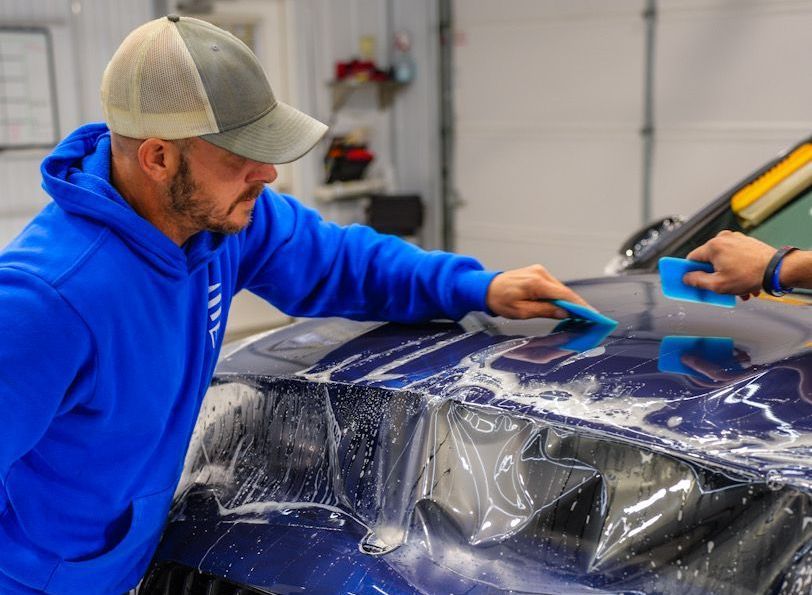
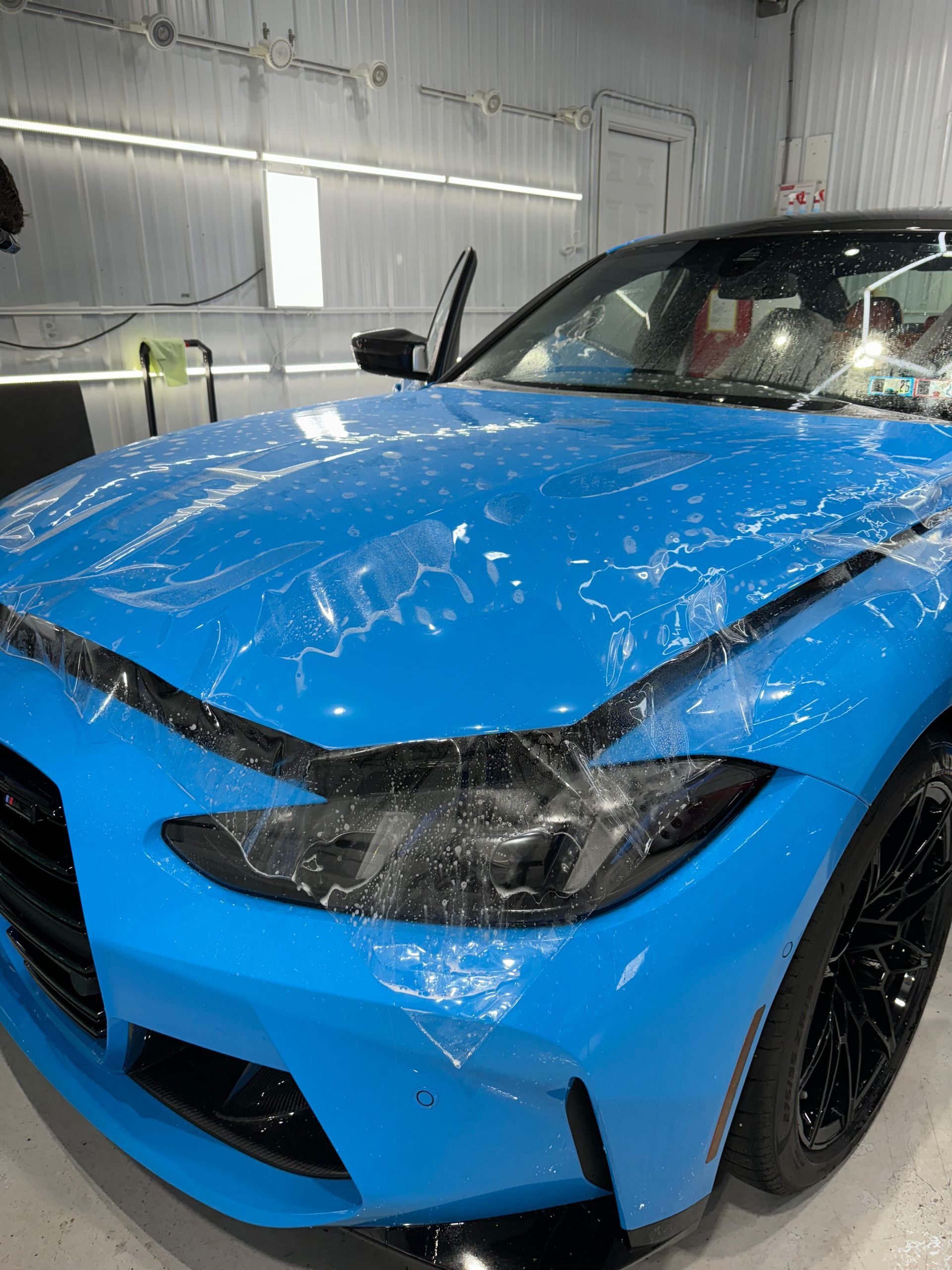
Air bubbles form when installers don't properly squeegee the film during application. They rush the process or don't use the correct technique. The trapped air creates visible imperfections that detract from the appearance and can lead to lifting.
Contamination bubbles are worse. When dust, dirt, or debris gets between the film and paint, it creates permanent bumps. These don't work themselves out. They remain visible for the film's entire lifespan. The only fix is removing the film and starting over.
Preventing bubbles requires working in a clean environment, properly preparing the paint surface, and using the correct application technique with appropriate tools. Professional installers know how to work methodically to eliminate air and prevent contamination.
Misalignment and Pattern Problems
A film that doesn't align correctly with body lines, panel gaps, or vehicle features looks obviously wrong. This mistake happens when installers don't take time to position the film properly before adhesion begins or when they use generic patterns instead of vehicle-specific ones.
Misalignment issues include:
- Film edges that don't follow body lines cleanly
- Uneven gaps around mirrors, handles, or trim
- Patterns that don't match panel shapes correctly
- Visible seams in awkward locations
- Coverage gaps leave paint exposed
Computer-generated patterns largely prevent these issues when used correctly. The patterns are designed specifically for each vehicle make and model. When installers position them properly and work carefully, alignment happens naturally.
Poor alignment isn't just aesthetic. It often indicates rushed work or a lack of proper patterns. If the installer can't get the film positioned correctly, they probably cut corners elsewhere, too.
Adhesive Contamination and Application Problems
The adhesive that bonds PPF to paint requires specific conditions to work properly. Contaminating the adhesive or applying film incorrectly compromises the bond. This leads to failure even if everything else was done right.
Common adhesive-related mistakes:
- Touching the adhesive side of the film with dirty hands
- Using incorrect application solutions or concentrations
- Applying too much or too little solution during installation
- Not allowing proper drying and curing time
- Installing over wax or sealants that weren't removed
The adhesive needs clean surfaces on both the film and the paint. Any contamination prevents proper bonding. The application solution must be the right type and properly mixed. Too much solution delays adhesion. Too little causes the film to stick prematurely before proper positioning.
Professional installers understand adhesive chemistry and follow manufacturer protocols exactly. They know which solutions work with which films and how environmental factors affect curing. This knowledge prevents adhesive failures that compromise installations.
The Curing Time Mistake
After PPF installation, the film needs time to cure and fully bond to the paint. Rushing this process by washing the vehicle, exposing it to extreme conditions, or stressing the film prevents complete adhesion. The result is premature failure, even though the installation itself might have been done correctly.
Curing requirements vary by film type and environmental conditions. Most installations need adequate time before the vehicle can be washed. Temperature extremes should be avoided during the curing period. The film shouldn't be stressed or manipulated while curing.
Installers who don't explain curing requirements or who schedule tight turnaround times might not allow adequate curing. When you pick up your vehicle with fresh PPF, you should receive clear instructions about care during the curing period. If the installer doesn't mention this, they might not understand the importance.
Why DIY PPF Installation Usually Fails
Understanding these mistakes makes it clear why DIY PPF installation rarely delivers professional results. You need more than film and a squeegee. You need a controlled environment, proper patterns, specialized tools, trained techniques, and experience recognizing problems before they become permanent.
DIY attempts typically fail because:
- Home garages don't provide controlled installation environments
- Generic patterns don't fit vehicles as precisely as custom ones
- Proper surface preparation requires specialized equipment
- Application technique takes extensive practice to master
- Problem recognition and correction require experience
Even if you avoid major mistakes, the result typically looks amateur compared to professional work. The film might protect your paint, but it won't have the invisible, seamless appearance that quality installation delivers.
How Professional Training Prevents Mistakes
Certified installers undergo extensive training specifically to avoid these common mistakes. They learn proper techniques, understand why shortcuts fail, and practice until their work meets manufacturer standards. This training isn't quick or easy.
STEK certification requires installers to demonstrate proficiency with their specific film products. Training covers surface preparation, pattern use, application technique, edge sealing, troubleshooting, and more. Installers must prove they can deliver quality results consistently.
This training matters because mistakes in PPF installation aren't always fixable. Once the film is applied incorrectly, removal and reinstallation are often the only solution. That wastes materials and costs you money. Professional training ensures mistakes don't happen in the first place.
The Equipment and Tools Advantage
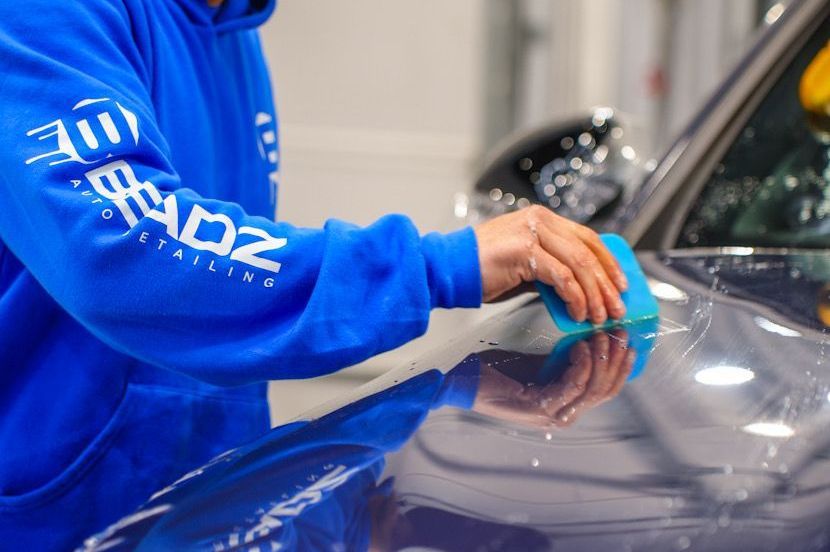
Professional installers use specialized tools designed specifically for PPF installation. These aren't available at auto parts stores. They're professional-grade equipment that makes proper technique possible and helps avoid common mistakes.
Professional equipment includes:
- Heat guns calibrated for PPF work without damaging film
- Squeegees designed for different film types and curves
- Lighting systems that reveal contamination and imperfections
- Proper application solutions formulated for specific films
- Measurement tools for paint thickness and alignment
Trying to install PPF without proper tools is like trying to perform surgery with kitchen knives. The tools matter enormously in achieving quality results. When you see an installer working with basic supplies, that's evidence that they're not equipped for professional work.
Recognizing Quality Installation Work
Knowing common mistakes helps you evaluate installation quality. Quality work has specific characteristics that separate it from amateur attempts. When you inspect a finished PPF installation, look for these quality indicators.
Signs of professional installation:
- Virtually invisible film edges that follow body lines precisely
- No bubbles, waves, or texture variations in the film
- Clean alignment with vehicle features and panel gaps
- No visible contamination or trapped debris
- Proper coverage without exposed paint in protected areas
- Detailed edge sealing that will resist lifting
If you see bubbles, poor alignment, visible edges, contamination, or other issues, that installation has problems. Quality work looks nearly invisible. You notice the enhanced gloss and protection, not the film itself.
The Cost of Installation Mistakes
When PPF installation goes wrong, fixing it isn't cheap. The film must be removed carefully to avoid paint damage. Surface prep must be redone. The new film must be installed properly. You're essentially paying for the work twice, plus materials waste.
Beyond financial cost, installation mistakes mean your paint doesn't get the protection you paid for. Poor adhesion means the film fails early. Contamination creates permanent imperfections. Alignment problems look unprofessional. You've invested in protection that doesn't deliver on its promises.
This is why choosing qualified installers matters so much. The difference in cost between DIY or amateur installation and professional work is much less than the cost of fixing mistakes. Getting it right the first time is always more cost-effective than trying to save money with questionable installation.
Warranty Implications of Poor Installation
Here's something many people don't realize. Manufacturer warranties on PPF only apply when certified installers do the work, following proper procedures. DIY installation or work by uncertified installers voids warranty coverage completely.
If your PPF fails due to film defects but installation was done improperly, the manufacturer won't replace it. You have no recourse. Even if the film itself had issues, improper installation gives the manufacturer grounds to deny claims.
Professional installation from certified shops comes with a warranty. If the film fails due to manufacturing defects, you're covered. This protection has real value that justifies working with qualified installers rather than attempting DIY or choosing the cheapest option.
Paint Correction Before PPF Installation
One mistake deserves special attention because it's so common and so impactful. Installing PPF over uncorrected paint magnifies every defect. What looked acceptable before becomes obviously wrong under the glossy film.
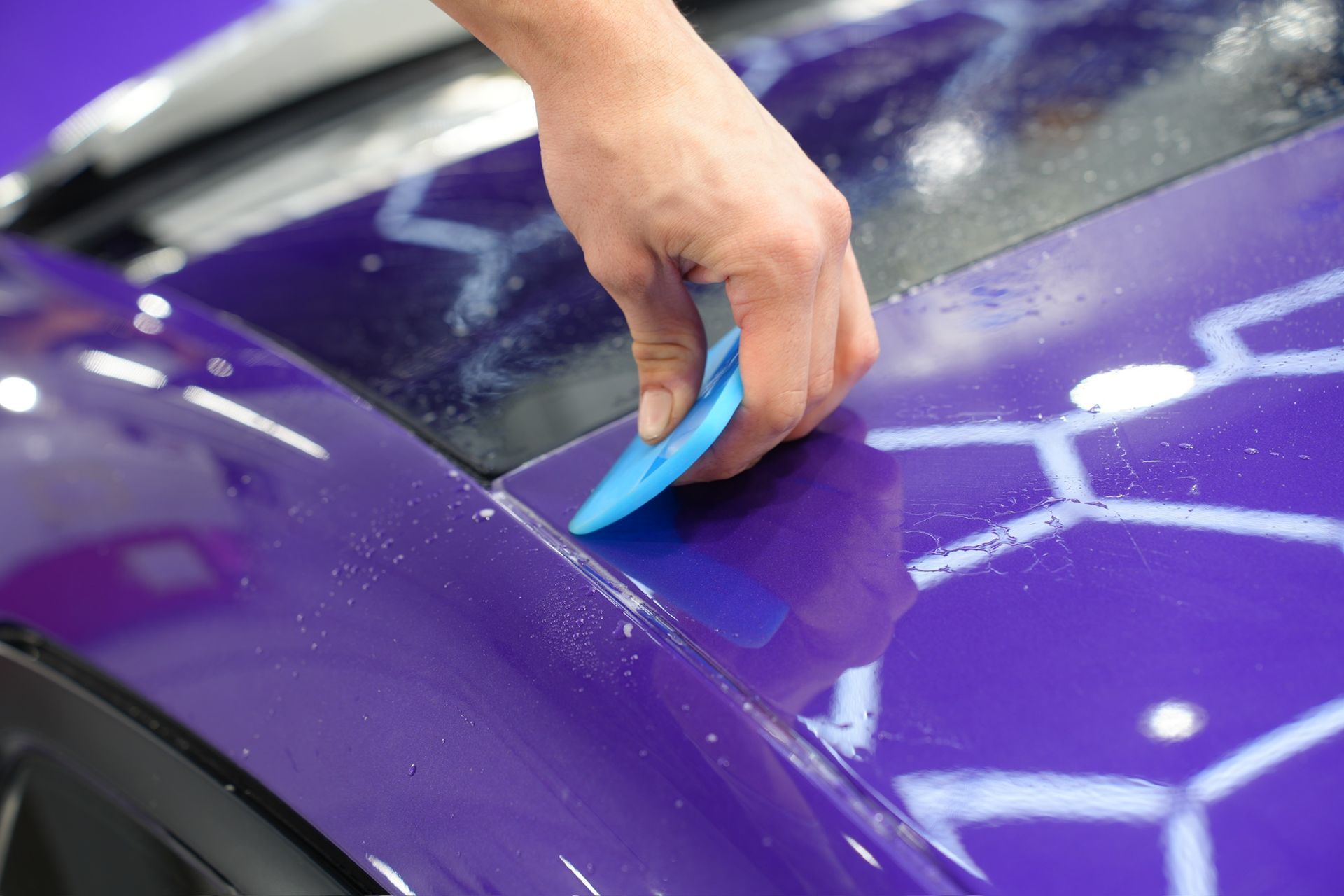
Paint correction removes swirl marks, surface defects, and imperfections before PPF application. Professional installers insist on this step because they understand the relationship between paint condition and final appearance.
Skipping a correction to save money is false economy. You're permanently sealing in imperfections under protection that costs significantly more than correction would have. Getting the paint right before PPF installation ensures results you'll be happy with for years.
Making the Right Installation Choice
Understanding PPF installation mistakes clarifies why professional installation matters. This isn't work that anyone with a YouTube tutorial can do successfully. It requires training, experience, proper equipment, a controlled environment, and attention to detail that amateur attempts simply can't match.
Your vehicle deserves protection installed for the first time. Don't risk paint damage, wasted money, and disappointing results by cutting corners on installation quality. Work with certified professionals who understand proper technique and have the equipment and environment to deliver results that last.
At Beadz Auto Detailing, we maintain STEK certification and follow manufacturer protocols exactly. We've seen every mistake in this article and know how to avoid them. Our controlled environment, proper equipment, and experienced technique ensure your PPF installation delivers the protection and appearance you're paying for.
Ready to protect your vehicle with installation done right? Contact us to discuss your PPF needs. We'll explain our process, show you our facility, and demonstrate why professional installation is worth the investment. Your paint deserves protection installed by people who know what they're doing.
Frequently Asked Questions
Can I fix PPF installation mistakes myself?
Minor issues like small bubbles near edges might work themselves out with time and heat. However, major mistakes like contamination, poor adhesion, significant bubbling, or misalignment require professional correction. Attempting DIY fixes often makes problems worse. If your PPF installation has obvious issues, consult a professional installer to assess whether correction is possible or complete reinstallation is necessary.
How long does it take to install PPF properly?
Installation duration depends on the coverage area and vehicle complexity. Proper installation cannot be rushed without compromising quality. Surface preparation alone requires significant time. Film application varies by coverage package. Quality installations prioritize doing the work correctly over working quickly. Be wary of installers promising very fast turnaround, as this often indicates corners being cut.
What should I ask an installer before committing?
Ask about certification with specific film manufacturers, request to see their installation facility, inquire about surface preparation procedures, ask how they handle edge sealing and curing, and request examples of previous work. Professional installers welcome these questions and provide detailed answers. Defensive or vague responses suggest the installer may not meet professional standards.
Does PPF need professional maintenance after installation?
PPF benefits from proper care but doesn't require professional maintenance for normal cleaning. Use pH-neutral products and proper washing techniques. Avoid automatic car washes that can damage film edges. Professional installers should provide detailed care instructions specific to the film they installed. Following these instructions helps your PPF reach its expected lifespan without issues.
How do I know if my PPF was installed incorrectly?
Watch for bubbles that don't resolve quickly, visible contamination or debris under the film, edges lifting or peeling, misalignment with body lines or features, texture variations or distortions, and areas where adhesion seems weak. Quality installation looks nearly invisible with no obvious imperfections. If you notice these issues, document them and contact the installer immediately to address problems under their workmanship warranty.