Ceramic Coating Longevity: 2-Year vs 5-Year vs 9-Year Protection Compared
GET A QUOTE (484) 866-3022Choosing a ceramic coating isn't just about protecting your paint. It's about deciding how long you want that protection to last. When you're comparing coating options, the durability ratings can seem confusing. What's the real difference between 2-year, 5-year, and 9-year protection? More importantly, how do you decide which ceramic coating durability level matches your needs?
The truth is that coating longevity directly impacts both performance and value. Shorter-duration coatings use different formulas than long-term options. They bond differently to your paint. They maintain their protective properties for different periods. Understanding these differences helps you make a choice that actually fits your vehicle, usage patterns, and protection goals.
Understanding What Durability Ratings Mean
When a ceramic coating is rated for a specific duration, that number represents how long the manufacturer expects the coating to maintain its protective properties under normal conditions. A 2-year coating should protect your paint effectively for two years. A 9-year coating should last nine years. But what does "normal conditions" actually mean?
Ceramic coating durability depends on several factors beyond the formula itself. How you maintain your vehicle matters. Where you park it matters. How often you drive and in what conditions all affect how long any coating lasts. The rated duration assumes proper maintenance and care throughout the coating's lifespan.
Here's what the duration ratings actually tell you:
- The formula's chemical resistance to breaking down over time determines base durability
- The thickness and density of the coating layer affect how long the protective properties last
- Bonding strength to your paint influences whether the coating stays intact
- Hydrophobic properties and surface hardness indicate how well the coating resists environmental damage
Think of durability ratings as the foundation. Proper care and maintenance determine whether your coating actually reaches its rated lifespan or fails prematurely.
The Chemistry Behind Different Durability Levels
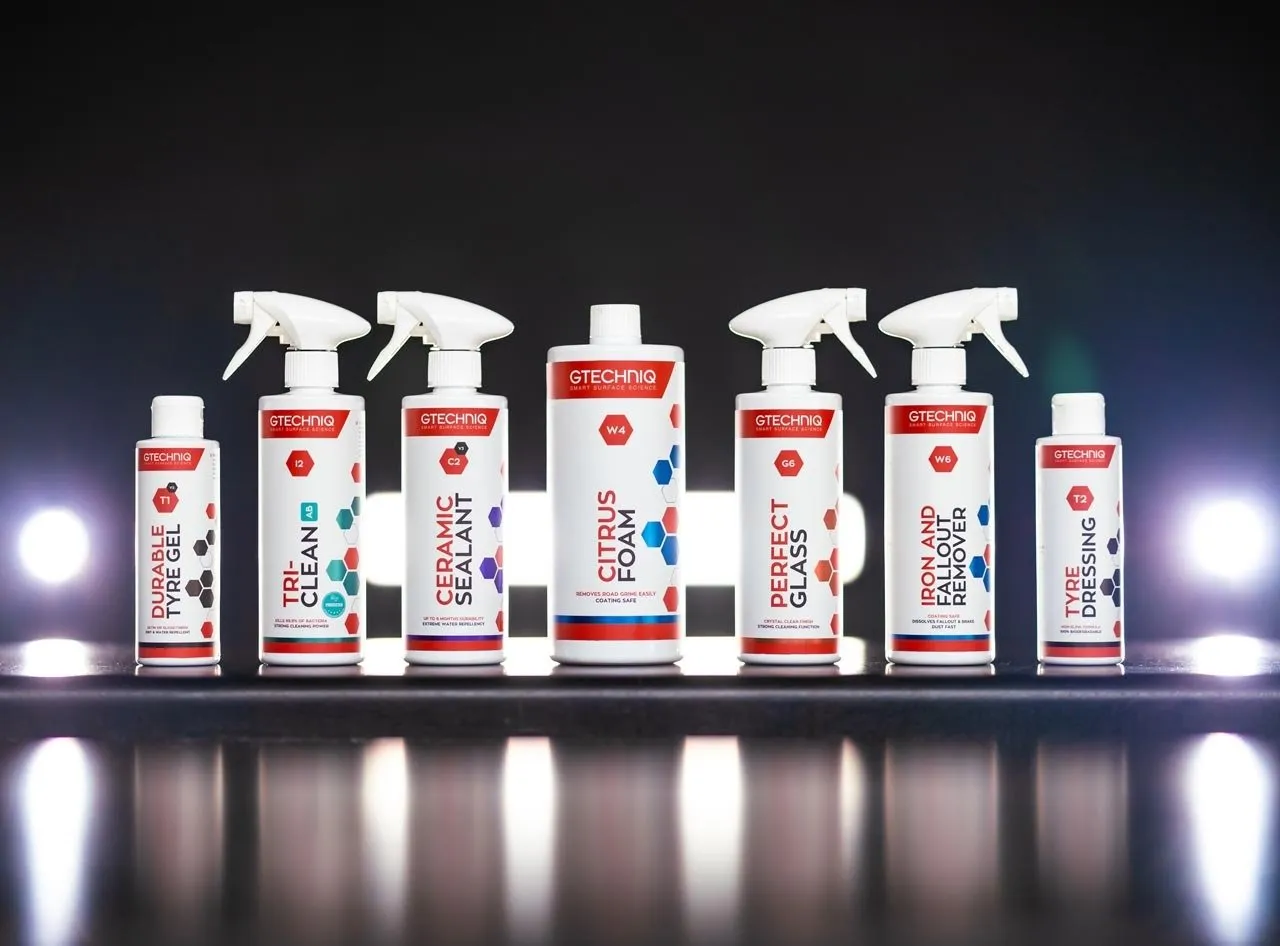
Not all ceramic coatings use the same chemical formulas. Longer-lasting coatings incorporate more advanced technology and more durable ingredients. This is why Gtechniq ceramic coatings at different durability levels perform differently.
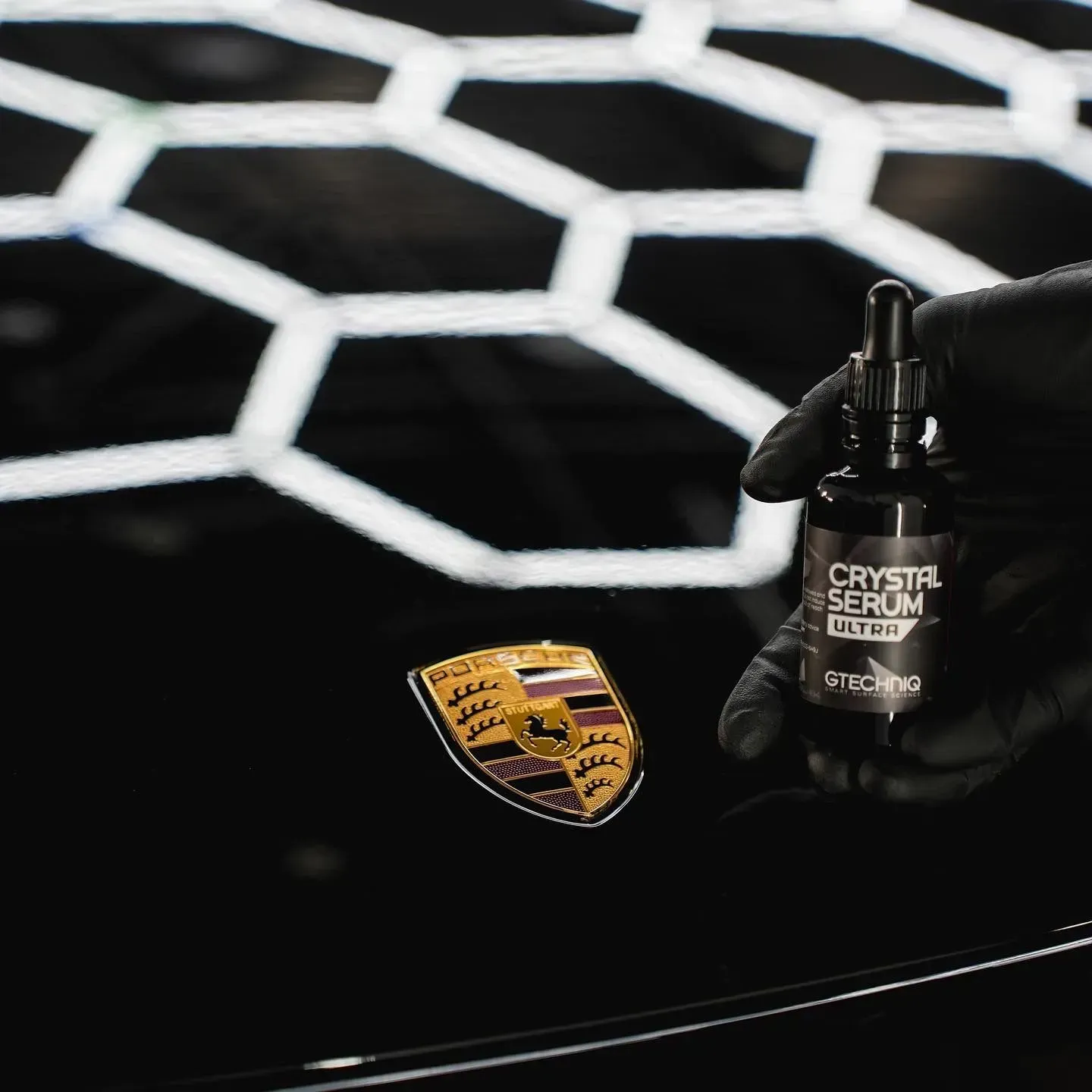
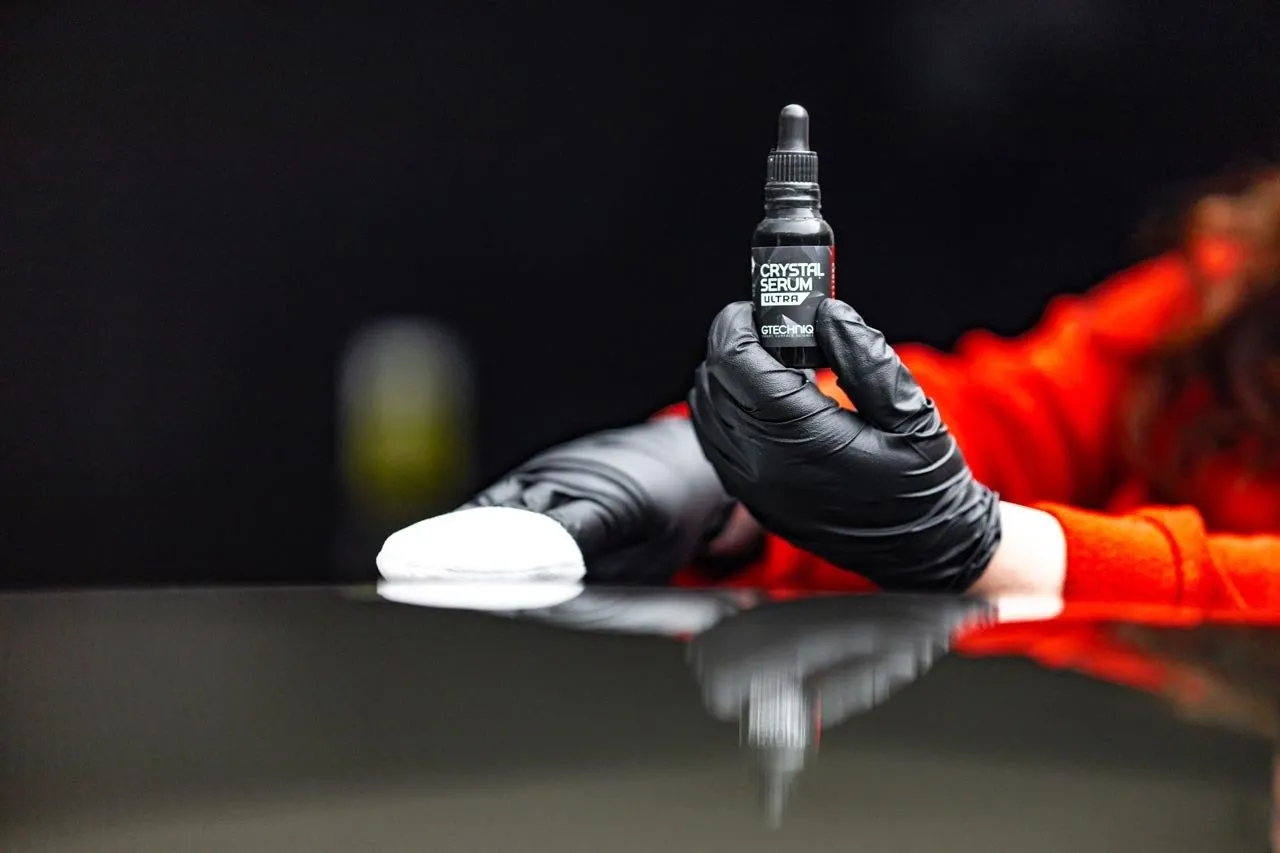
Short-duration coatings typically use simpler silica-based formulas that provide solid protection but break down faster under environmental stress. Mid-range coatings add more complex polymer structures that resist degradation better. Long-duration coatings like Crystal Serum Ultra use advanced chemistry that bonds more permanently to paint and maintains properties longer.
The chemical differences show up in real-world performance. A 2-year coating might start showing reduced hydrophobic properties with heavy use. A 9-year coating maintains those properties much longer because the formula itself is more resistant to UV damage, chemical exposure, and mechanical wear.
This chemistry matters because you can't make a short-duration coating last longer just through maintenance. The formula has limits. Once those limits are reached, protection degrades regardless of how well you care for your vehicle.
Comparing Protection Features Across Durations
Different durability levels offer varying degrees of protection intensity. It's not just about how long they last. It's also about how well they protect while they're active. Understanding these performance differences helps match coating choice to your protection needs.
2-Year Coating Characteristics:
Entry-level protection with solid hydrophobic properties works well for vehicles with moderate protection needs. Basic mark resistance protects against light abrasion and swirl marks. Chemical resistance handles normal environmental contaminants like bird droppings and tree sap. Maintenance requirements involve regular care to maintain protective properties.
5-Year Coating Characteristics:
Enhanced protection with stronger hydrophobic performance makes maintenance easier. Improved mark resistance offers better defense against minor impacts. Superior chemical resistance handles harsh contaminants more effectively. Lower maintenance requirements due to a more durable formula.
9-Year Coating Characteristics:
Maximum protection with exceptional hydrophobic properties that last for years. Professional-grade hardness provides the best available mark resistance. Outstanding chemical resistance protects against aggressive environmental damage. Minimal maintenance requirements with properties that endure longer.
The protection differences matter most if you face harsh conditions. Daily highway driving, outdoor parking, or exposure to industrial fallout benefits more from higher-duration coatings. Garaged weekend vehicles might do fine with shorter-duration options.
What EXO and Crystal Serum Offer
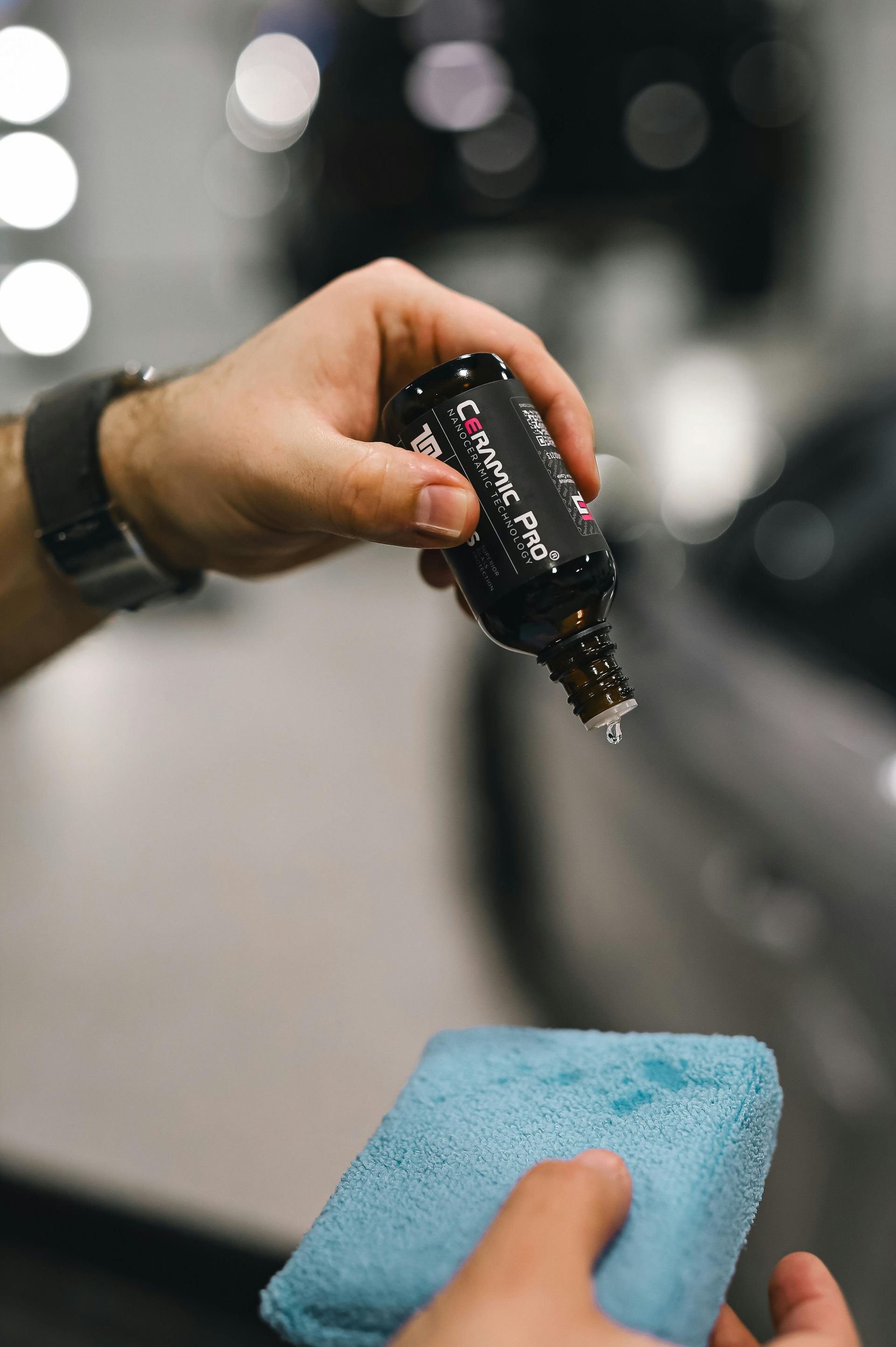
At Beadz Auto Detailing, we work exclusively with Gtechniq products because they deliver reliable performance at every durability level. The specific formulas we use include EXOv5 for 2-year protection and Crystal Serum Ultra with EXOv5 topcoat for 9-year protection.
EXOv5 provides solid protection with strong hydrophobic properties. It resists wash chemicals effectively and helps prevent micro-marring. For many vehicles and owners, this formula delivers exactly what's needed without overinvesting in protection that exceeds requirements.
Crystal Serum Ultra represents the top tier with 10H hardness and exceptional durability. When topped with EXOv5, this combination creates layered protection that lasts for years while maintaining performance. The Crystal Serum Ultra formula bonds more permanently to paint than shorter-duration options, which is why it maintains protective properties for such extended periods.
Choosing between these formulas depends on how long you plan to keep your vehicle, how it's used, and what level of protection justifies the investment. Both deliver quality results. They just serve different needs.
Maintenance Requirements by Durability Level
All ceramic coatings require maintenance to reach their rated lifespan. However, the maintenance intensity varies by durability level. Understanding these differences helps set realistic expectations about coating care.
Shorter-duration coatings need more frequent attention to maintain optimal performance. You're essentially working harder to keep a less durable formula functioning properly. This might include more frequent washing, more careful drying techniques, and possibly maintenance products to boost hydrophobic properties.
Longer-duration coatings maintain their properties with less intensive care. The more durable formula simply doesn't break down as quickly, so basic maintenance keeps it performing well. You still need to wash your vehicle properly and avoid harsh chemicals, but the coating tolerates normal use better.
Here's what maintenance looks like across durability levels:
- Regular washing with appropriate products keeps all coatings functioning properly
- Avoiding automatic car washes prevents mechanical damage that degrades any coating
- Using proper washing techniques minimizes swirl marks and maintains surface integrity
- Parking in covered areas when possible reduces UV exposure and environmental contamination
- Addressing contaminants promptly prevents etching or staining, regardless of coating type
The difference is that longer-duration coatings tolerate occasional maintenance lapses better. Miss a wash or two, and they still perform. Shorter-duration coatings show degradation more quickly when care slips.
Cost vs Value Analysis
Let's talk about the financial side of ceramic coating durability choices. Longer-duration coatings cost more upfront. That's just reality. The question is whether that extra cost delivers proportional value based on your situation.
Consider this perspective. A shorter-duration coating costs less initially but might need replacement sooner. If you plan to keep your vehicle beyond the coating's rated lifespan, you'll eventually pay for reapplication. A longer-duration coating costs more upfront but potentially eliminates the need for reapplication during your ownership period.
The value equation depends on several factors:
- How long you plan to keep your vehicle determines whether long-duration coating makes sense
- Your vehicle's usage patterns affect how much protection intensity matters
- Environmental conditions where you drive and park influence the coating wear rate
- Your budget constraints determine what's realistic, regardless of theoretical value
There's no universal right answer. A 2-year coating might be perfect for someone who leases vehicles or plans to sell soon. A 9-year coating might be ideal for someone keeping their vehicle long-term and wanting minimal maintenance hassle. Neither choice is wrong if it matches your actual situation.
How Usage Patterns Affect Your Choice
Your daily driving reality should guide your durability decision. Someone who drives daily in harsh conditions has different protection needs than someone with a garage-kept weekend car. Matching coating durability to actual usage prevents both under-protecting and over-investing.
Consider These Usage Scenarios:
- A daily highway commuter facing constant rock chips and bug impacts benefits from maximum protection duration and intensity
- Outdoor parking in harsh climates with extreme temperatures and UV exposure justifies longer-duration coating
- Frequent long-distance travel, accumulating miles quickly, wears coatings faster than local driving
- Harsh winter conditions with road salt and chemicals demand stronger chemical resistance
Alternatively:
- Garage-kept weekend vehicles see minimal exposure, which doesn't stress coatings heavily
- Short commutes in mild climates create less coating wear than harsh driving conditions
- Infrequent use means coatings face mainly time-based degradation rather than use-based wear
- Well-maintained vehicles with careful washing techniques extend any coating's effective life
Be honest about how your vehicle gets used. Don't choose minimum protection if you're subjecting your vehicle to harsh conditions just to save money. Don't over-invest in maximum protection if your vehicle sees minimal exposure. Match the choice to reality.
Paint Correction Considerations for Long-Duration Coatings
When you're investing in longer-duration ceramic coating, paint correction becomes even more important. You're sealing in whatever paint condition exists underneath for years. If that paint has defects, you're stuck looking at protected imperfections for the coating's entire lifespan.
Shorter-duration coatings involve less long-term commitment. If you discover you're not happy with the result, you're only dealing with it for a couple of years before reapplication. Longer-duration coatings mean living with any mistakes or compromises for much longer periods.
This is why we at Beadz Auto Detailing insist on proper paint correction before applying any ceramic coating, but especially before long-duration formulas. We don't want you stuck looking at swirl marks protected under a 9-year coating. Better to invest in correction upfront and enjoy flawless protection for years.
The correction level needed doesn't change based on coating duration. What changes is how long you'll live with the results. This makes thorough correction more valuable when choosing extended-duration protection.
Combining Coatings with Other Protection
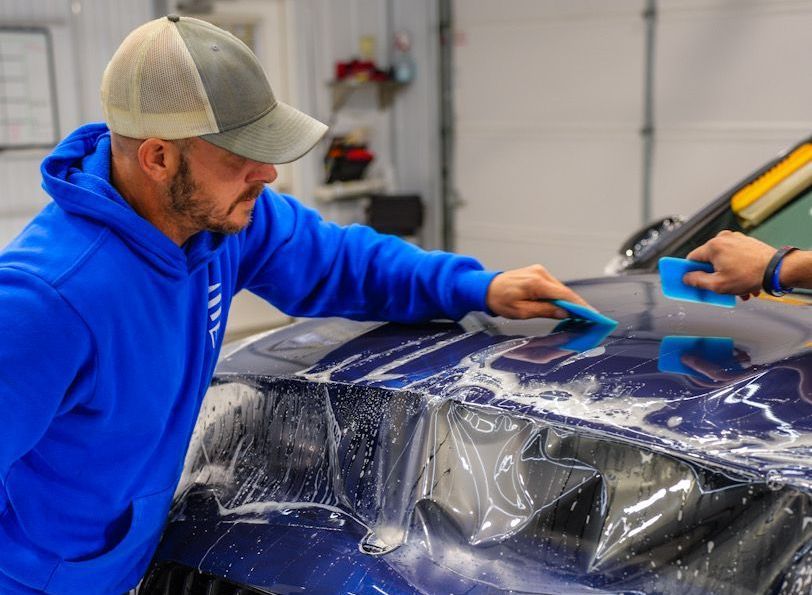
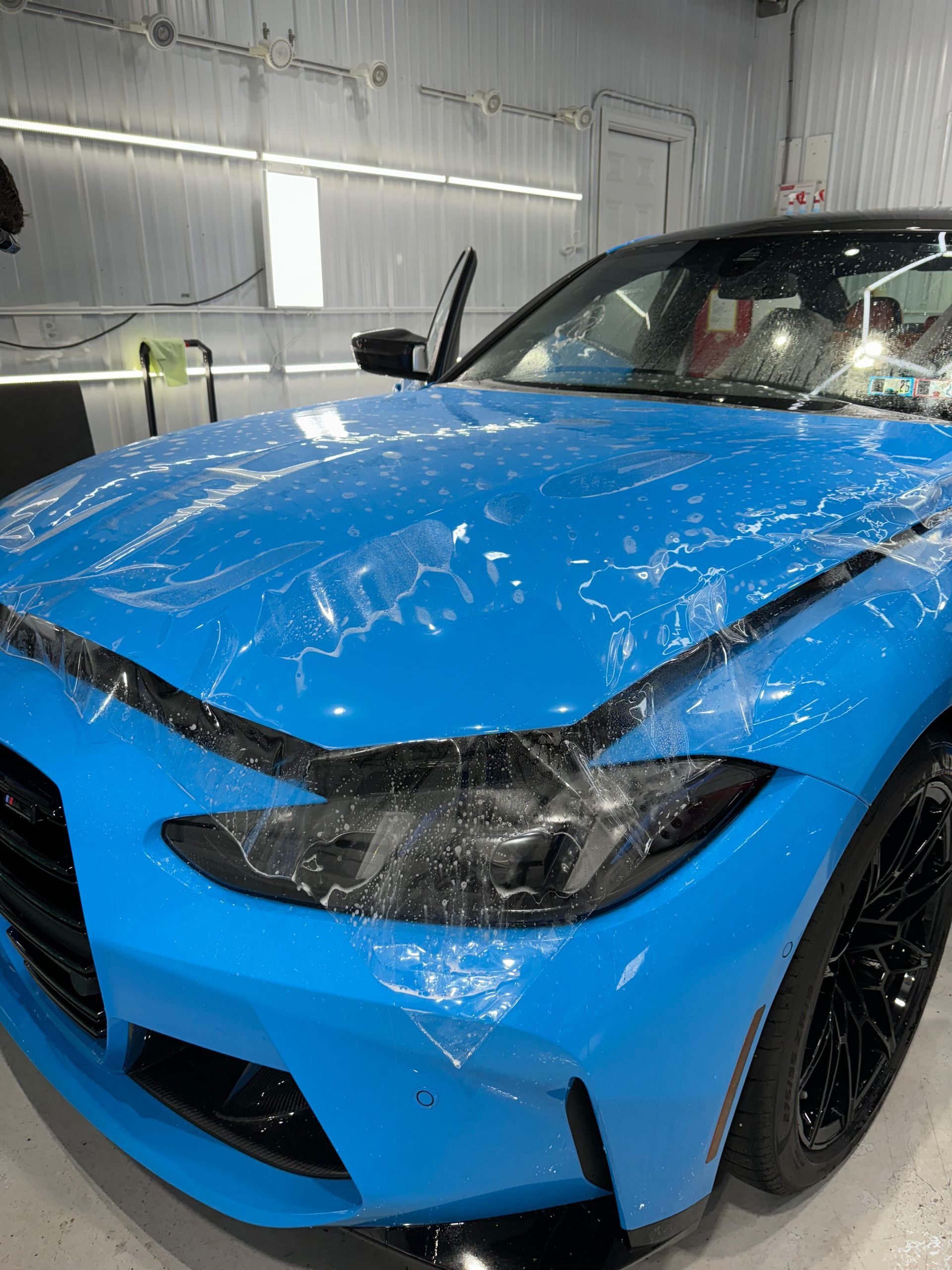
Some vehicle owners layer protection by combining ceramic coatings with paint protection film. This approach offers benefits but also affects coating choice considerations. If you're planning to install PPF, that influences which ceramic coating duration makes sense.
Paint protection film with ceramic coating on top creates comprehensive protection. The PPF handles physical impacts, while ceramic coating adds hydrophobic properties and chemical resistance. This combination works with any coating duration, but the choice affects how you approach the layered protection.
Some people apply ceramic coating to both the PPF and exposed paint areas. In this case, choosing a coating duration that matches your PPF's expected lifespan makes sense. Others only coat exposed paint since PPF already has hydrophobic properties. This might justify shorter-duration coating on paint that's not receiving full protection investment.
The point is that ceramic coating doesn't exist in isolation. Your overall protection strategy should guide durability choices. Comprehensive protection might justify maximum-duration coating. Targeted protection might work fine with shorter-duration options.
Environmental Factors That Affect Longevity
Where you live and park significantly impacts how long any ceramic coating maintains its protective properties. Harsh environments accelerate coating degradation regardless of rated duration. Understanding these environmental factors helps set realistic expectations.
Environmental Challenges:
- Intense UV exposure from southern climates or high altitude breaks down coating chemistry faster
- Coastal environments with salt air create constant chemical exposure that tests coating resistance
- Industrial areas with fallout and pollutants aggressively contaminate coatings aggressively
- Extreme temperature swings stress coating bonds and can cause premature failure
- Frequent precipitation and humidity affect hydrophobic properties over time
These factors don't mean coatings won't reach their rated lifespan in challenging environments. They mean proper maintenance becomes more critical. A 9-year coating in harsh conditions with good care might outlast a 9-year coating in mild conditions with poor maintenance.
Location can influence your durability choice. Harsh environments might justify longer-duration coatings because the extra chemical resistance helps the coating survive. A mild environment might allow a shorter-duration coating since conditions aren't testing the formula's limits.
What Happens When Coatings Reach End of Life
Understanding how ceramic coatings degrade helps you recognize when protection has expired and reapplication is necessary. Coatings don't suddenly stop working. They gradually lose protective properties until they're no longer effective.
Early signs of coating degradation include:
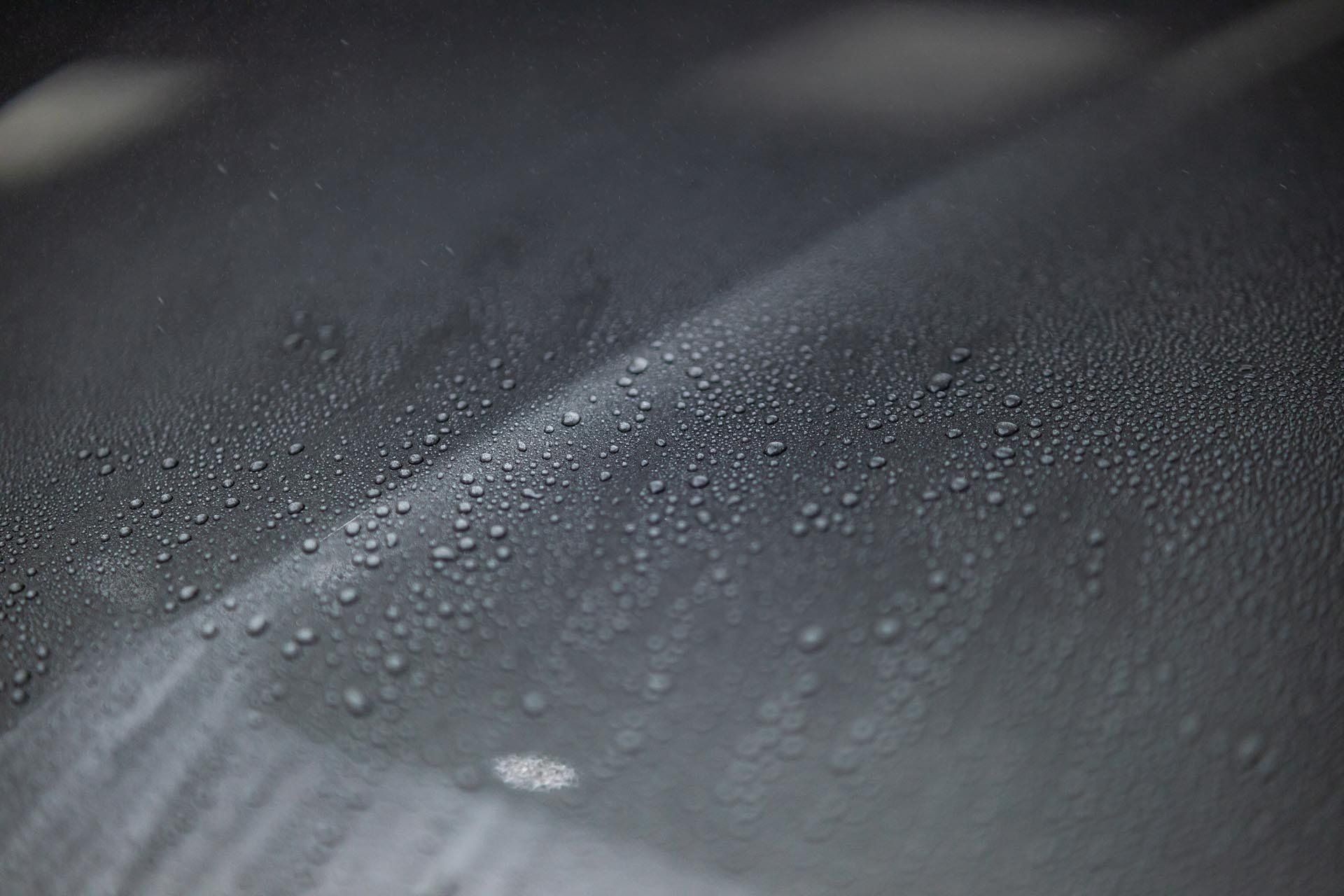
- Reduced water beading and sheeting as hydrophobic properties diminish
- Increased dirt and grime adhesion shows that the protective surface is breaking down
- Visible water spots that used to rinse off clean now remain on the surface
- Reduced gloss and shine compared to when the coating was fresh indicates surface degradation
These signs don't appear all at once. You'll notice a gradual performance decline. When you see these indicators before the coating's rated duration, it usually means maintenance wasn't adequate or environmental conditions exceeded what the formula could handle. When they appear around the rated duration, that's normal coating aging.
Once coating effectiveness drops significantly, you have options. You can reapply the same coating formula. You can upgrade to a longer-duration coating if you want extended protection. You can combine reapplication with paint correction if new defects have appeared. The choice depends on your paint's condition and protection needs going forward.
Making Your Durability Decision
Choosing the right ceramic coating durability level involves balancing multiple factors. There's no single correct answer that works for everyone. What matters is matching the choice to your specific situation, vehicle, and goals.
Decision Framework:
- Start by considering how long you plan to keep your vehicle. If you're selling or trading soon, a longer-duration coating might not make sense.
- Think about your vehicle's usage patterns and exposure to harsh conditions. More demanding use justifies stronger, longer-lasting protection.
- Evaluate your budget realistically, including both coating and proper maintenance.
- Be honest about your maintenance commitment and ability to care for the coating properly.
Ask yourself these questions:
- Will you keep this vehicle long enough to benefit from long-duration coating?
- Does your vehicle face harsh conditions that demand maximum protection?
- Can you commit to proper maintenance regardless of coating duration?
Your answers guide the right choice. Someone keeping their vehicle long-term who drives daily in harsh conditions should strongly consider maximum-duration coating. Someone leasing a vehicle they'll return soon might find a shorter-duration coating perfectly adequate.
Why We Recommend What We Do
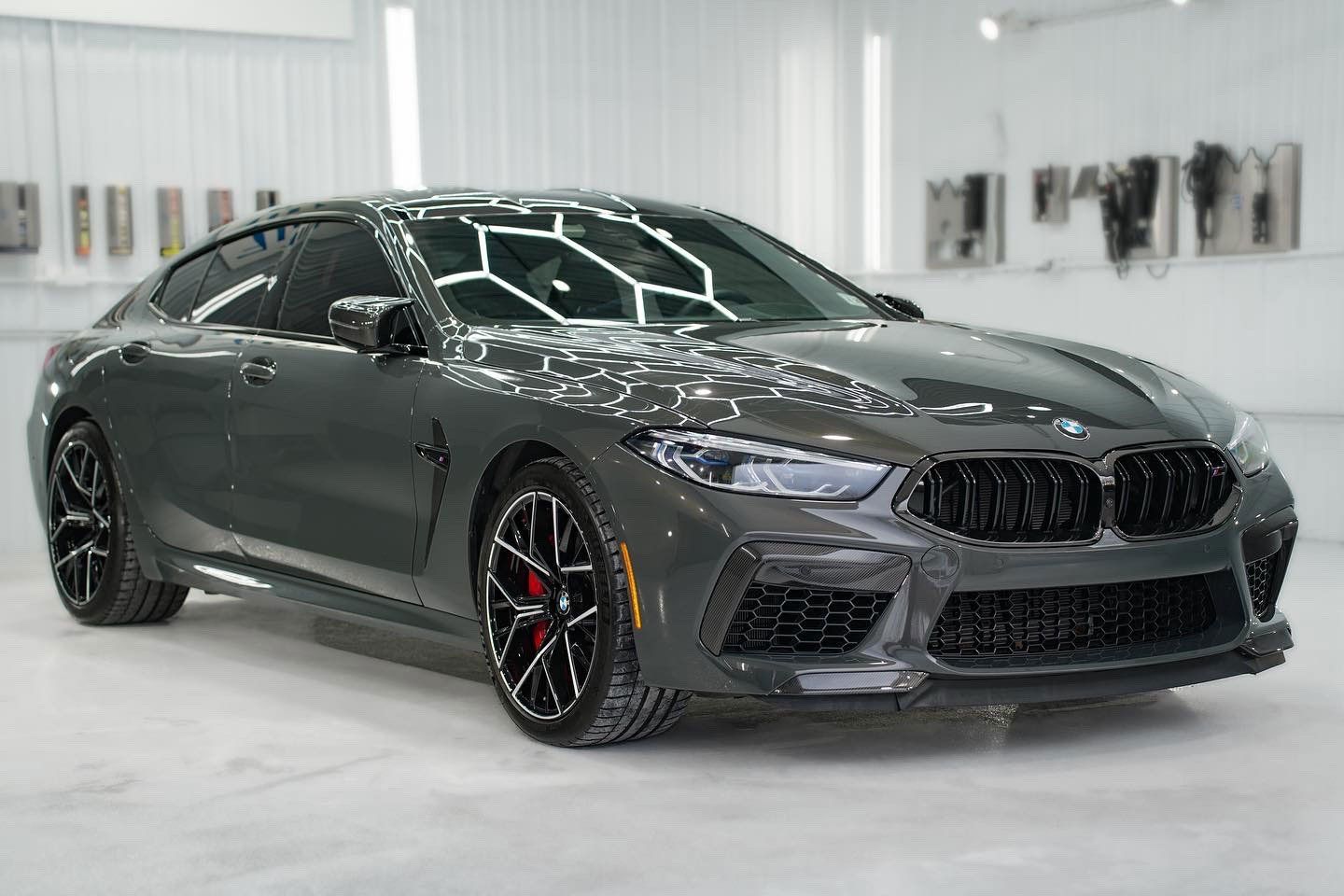
At Beadz Auto Detailing, we evaluate each vehicle and owner situation before recommending coating options. We're not trying to upsell everyone to the most expensive coating. We're trying to match protection to actual needs, so you get value from your investment.
We might recommend EXOv5 for a vehicle that sees moderate use, careful maintenance, and won't be kept beyond a few years. We might suggest Crystal Serum Ultra with EXOv5 topcoat for vehicles getting heavy use, facing harsh conditions, or being kept long-term. The recommendation depends on your specific situation, not on maximizing our revenue.
This approach means some customers get recommended shorter-duration coating even when they ask about maximum protection. If their situation doesn't justify the extra investment, we'll explain why. Other customers come in thinking a short-duration coating is adequate, and we'll explain why their usage patterns suggest longer protection makes more sense.
Honest assessment and appropriate recommendations build long-term relationships. We'd rather see you happy with the right coating choice than frustrated with protection that doesn't match your needs.
Proper Application Matters Regardless of Duration
One final consideration applies across all durability levels. Proper installation technique affects whether any coating reaches its rated lifespan. Poor application can cause even the best formula to fail prematurely. This is why working with certified installers matters regardless of which coating duration you choose.
Quality installation includes:
- Thorough paint decontamination before coating application
- Proper surface preparation ensures optimal coating bond to paint
- A controlled environment prevents contamination during curing
- Adequate curing time allows the coating to fully harden and bond
- Proper layer application achieves the specified coating thickness
These installation factors don't change based on the coating formula. Every coating deserves proper application. The difference is that longer-duration coatings represent a bigger investment, so installation quality has more long-term impact. Get it right, and you enjoy years of protection. Get it wrong, and you've wasted money on protection that won't last.
We maintain Gtechniq certification because proper installation technique is non-negotiable. Whether you choose 2-year or 9-year protection, it gets installed correctly to ensure you actually receive the rated durability.
Get the Protection That Fits Your Needs
Choosing between ceramic coating durability options isn't about picking the "best" coating. It's about selecting the protection level that matches your vehicle, usage, and goals. Understanding the real differences between 2-year, 5-year, and 9-year options helps you make that choice confidently.
Your vehicle deserves protection that actually makes sense for how you use it. Not minimum protection that fails to meet your needs. Not maximum protection that exceeds what you'll benefit from. The right protection at the right durability level that delivers real value over its lifespan.
Ready to explore which ceramic coating durability level fits your situation? Contact us to discuss your vehicle, usage patterns, and protection goals. We'll provide honest assessments and recommendations that ensure you invest in a coating that actually delivers the protection you need for the duration that makes sense.
Frequently Asked Questions
Can I extend coating life beyond the rated duration with extra maintenance?
Proper maintenance helps coatings reach their full rated lifespan, but it cannot extend protection beyond what the formula chemistry allows. Once the coating's molecular structure breaks down from environmental exposure and time, no amount of maintenance restores the original protective properties. Regular care ensures you get the full rated duration. When that period ends, reapplication becomes necessary to maintain protection levels.
What happens if I choose a coating duration shorter than I keep the vehicle?
If you keep your vehicle beyond the coating's rated duration, protective properties will gradually decline. You'll notice reduced hydrophobic performance, increased contamination adhesion, and diminished protection effectiveness. At that point, you'll need to have the coating reapplied to restore protection. This involves surface preparation and new coating application. Planning coating duration around the ownership timeline prevents needing reapplication if you'll keep the vehicle long-term.
Do longer-duration coatings require different maintenance products?
All ceramic coatings benefit from pH-neutral washing products designed for coated vehicles. Longer-duration coatings don't necessarily require special maintenance products, but they do maintain their properties better with proper care. Avoid harsh chemicals, automatic car washes, and abrasive cleaning methods regardless of coating type. The main difference is that longer-duration coatings tolerate occasional maintenance lapses better than shorter-duration formulas due to more robust chemistry.
Can I upgrade from a shorter- to longer-duration coating later?
Yes, when your current coating reaches the end of its life, you can upgrade to longer-duration protection during reapplication. This involves removing or preparing the existing coating surface and applying a new coating. Some owners start with shorter-duration coatings to test ceramic protection, then upgrade to longer-duration formulas once they understand the benefits and maintenance requirements. Professional assessment determines the best approach for transitioning between coating types.
How do I know which durability level provides the best value?
Best value depends on your ownership timeline and vehicle usage. Calculate how long you'll keep the vehicle and compare coating lifespans. If keeping the vehicle long-term, a longer-duration coating eliminates reapplication needs. If selling relatively soon, a shorter-duration coating might suffice. Consider usage intensity - harsh conditions justify longer-duration protection. Factor in maintenance commitment - longer coatings reward consistent care more. Value comes from matching protection duration to your actual situation, not necessarily choosing the longest-lasting option.