How to Evaluate if Your Car Needs Paint Correction Before PPF Installation
GET A QUOTE (484) 866-3022You've decided to protect your vehicle with paint protection film. Smart move. But before any film touches your paint, there's an important question you need to answer. Does your paint need correction first? This isn't just an upsell tactic. It's about making sure your paint correction assessment reveals any issues that PPF will magnify rather than hide.
Most people don't realize that paint protection film acts like a high-definition magnifying glass for your paint. Every swirl mark, surface damage, and imperfection becomes more visible once PPF is applied. What looked acceptable before suddenly becomes glaring under that glossy protective layer. Understanding whether your paint needs correction before PPF installation can save you from permanent disappointment.
Why Paint Correction Matters Before PPF
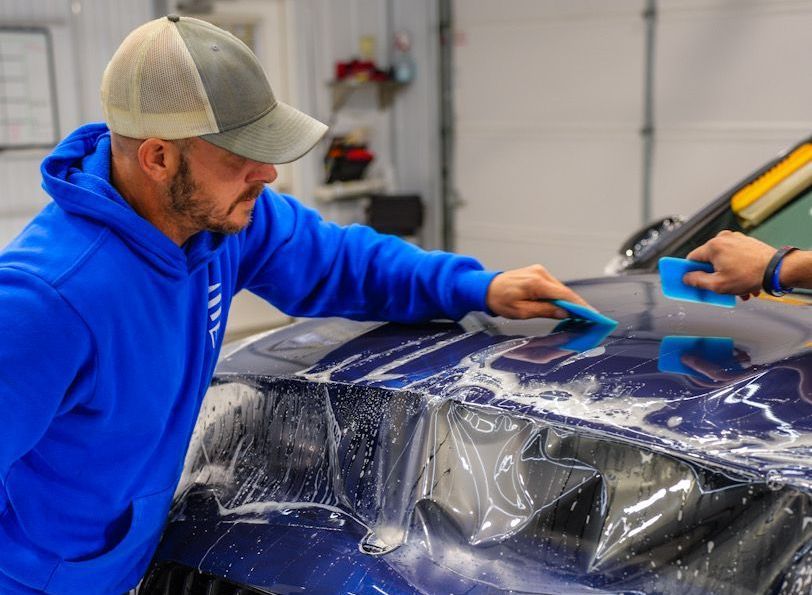
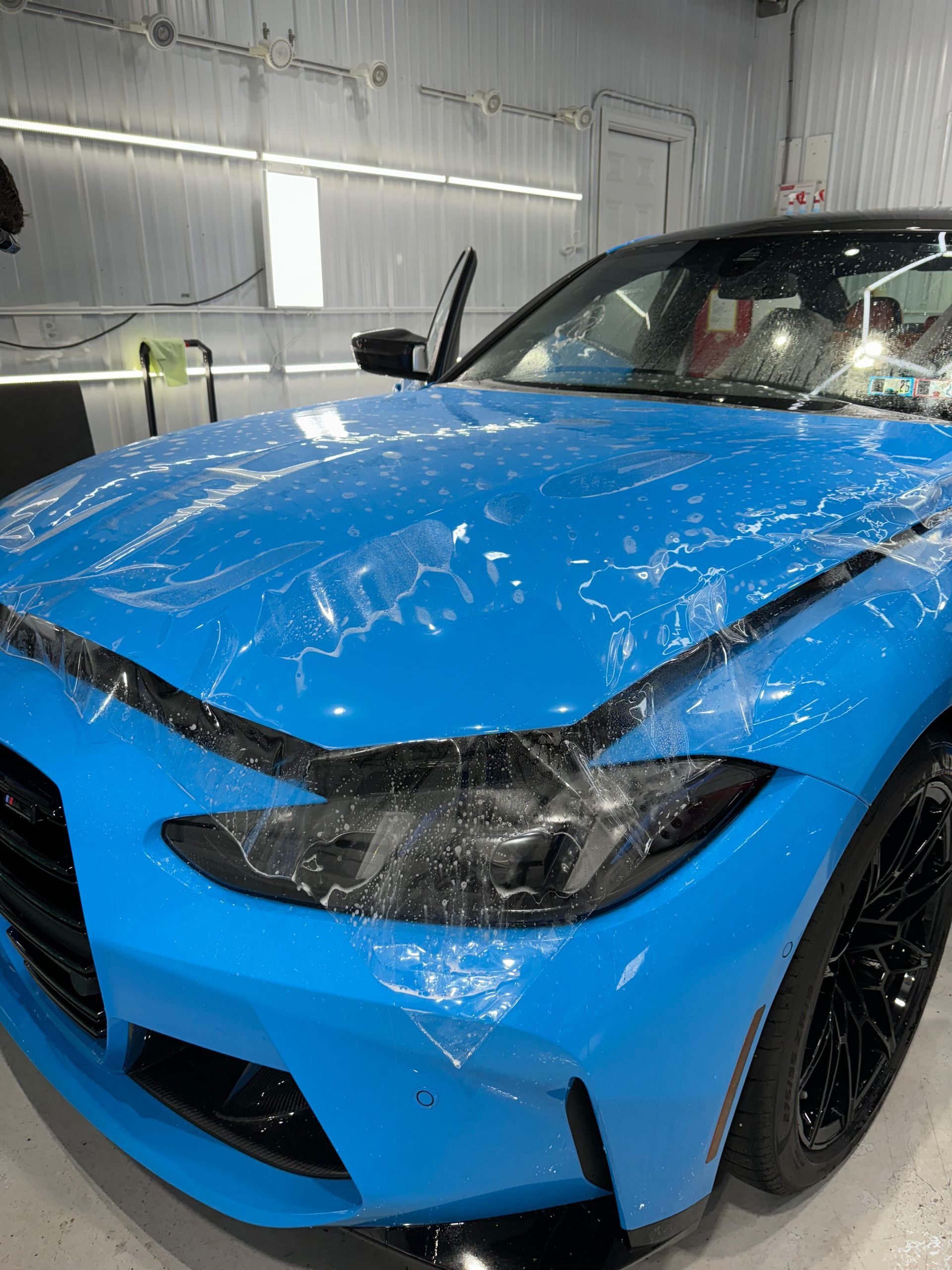
Paint protection film doesn't hide imperfections. It enhances whatever is underneath. Think of PPF like a clear, glossy seal over your paint. If your paint has surface defects and swirls, the film locks those in and makes them more visible. You end up with perfectly protected imperfections that you'll notice every time you look at your vehicle.
The relationship between paint correction and PPF installation is straightforward. Correction removes surface defects before the film is applied. This ensures the protective layer goes over flawless paint, giving you the pristine finish you're actually paying for. Skipping correction when your paint needs it means wasting money on protection that showcases damage instead of beauty.
At Beadz Auto Detailing, we only apply PPF to properly prepared paint. This isn't about generating extra revenue. It's about delivering results that actually look good. We've seen too many vehicles come to us from other shops with PPF applied over damaged paint, and the owners are never happy with the outcome.
Understanding Your Paint's Current Condition
Before you can determine if correction is necessary, you need to assess what's actually happening with your paint. Most vehicle owners don't look closely enough to notice the damage that's accumulated over time. Regular washing, environmental exposure, and general use all take their toll.
Your paint might show these common issues:
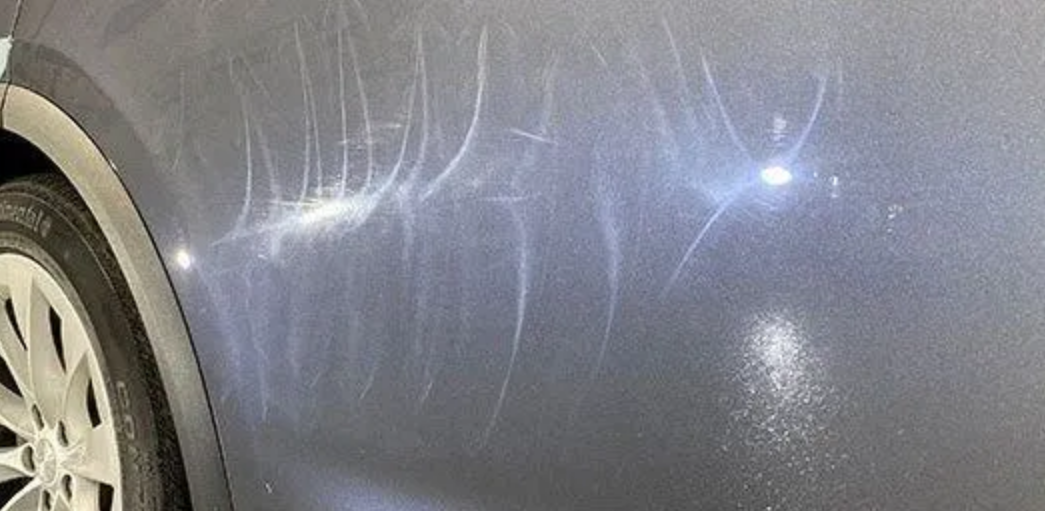
Swirl marks from improper washing techniques create circular patterns visible in direct sunlight. Linear marks from branches, shopping carts, or careless parking neighbors leave damage across panels. Oxidation from UV exposure dulls the paint and creates a chalky appearance. Water spots from mineral deposits etch into the clear coat. Chemical stains from bird droppings or tree sap eat through protective layers.
Each of these problems requires correction to remove. They won't disappear under PPF. They'll become permanent features of your "protected" paint if you don't address them first.
The Simple Visual Inspection Method
You don't need professional equipment to start your paint correction assessment. A basic visual inspection in the right conditions tells you a lot about your paint's health. Here's how to check your vehicle properly.
Find good lighting conditions. Direct sunlight or bright LED lighting works best. Clean your vehicle thoroughly first so dirt doesn't hide defects or create false indicators. Look at your paint from different angles, especially at steep viewing angles where defects show up more clearly.
Focus on high-impact areas first:
- Hood and roof where sun exposure is most intense
- Front bumper and fenders were where rock chips and surface defects accumulated.
- Door panels where other car doors make contact
- The trunk lid and rear bumper are where items get loaded
- Areas around handles where hands create micro-surface damage
If you see swirl marks, surface defects, dullness, or uneven gloss in any of these areas, correction is probably necessary before PPF application.
What Different Correction Levels Address
Not all paint damage is equal. Some vehicles need minor correction to remove light swirls. Others require aggressive work to eliminate deep surface defects and oxidation. Understanding correction levels helps you match the service to your paint's actual needs.
Paint correction packages typically range from enhancement polish to multi-stage correction. Enhancement polish works for nearly new vehicles with minimal defects. It removes light swirls and adds gloss. Single-stage correction tackles moderate swirls, light surface defects, and minor oxidation. Multi-stage correction addresses heavy swirling, deeper surface defects, and significant paint degradation.
The correction level your vehicle needs depends on its current condition and your expectations. If you want truly flawless paint under your PPF, more aggressive correction might be necessary even if the damage seems moderate.
Brand New Vehicles Aren't Always Perfect
Here's something that surprises people. Even brand-new vehicles often benefit from paint correction before PPF application. Dealer prep work and transportation create swirls and surface defects. Factory clear coats sometimes have an orange peel texture or other imperfections. New doesn't mean flawless.
A light enhancement polish removes dealer-installed swirls and prepares the paint for optimal PPF bonding. This step ensures your new vehicle looks as perfect as it should once protection is applied. Skipping corrections on a new car means preserving imperfections that shouldn't exist in the first place.
We've corrected countless new vehicles before applying STEK paint protection films. The difference between corrected and uncorrected paint under PPF is dramatic. One approach gives you a show-quality finish. The other gives you protected mediocrity.
How Age and Use Affect Your Assessment
Vehicle age and usage patterns significantly impact paint condition. Daily drivers accumulate damage faster than garage-kept weekend vehicles. Cars parked outside face more UV exposure and environmental contamination than garaged vehicles. Highway commuters deal with more rock chips and bug impacts than city drivers.
Consider your vehicle's history during your paint correction assessment. A three-year-old daily driver that's been hand-washed might need less correction than a one-year-old vehicle that's been through automatic car washes weekly. Usage matters more than age when evaluating paint health.
Be honest about how your vehicle has been maintained. If it's seen an automatic car wash, it has swirl marks. If it sits outside year-round, it has UV damage. If you drive behind dump trucks on highways, you may encounter rock chips. These factors guide the correction level needed before PPF installation.
The Swirl Mark Test You Can Do Right Now
Swirl marks are the most common paint defect and the easiest to check for. They're circular surface defects created by improper washing techniques. Under PPF, they become permanent features that catch light and ruin your finish's appearance.
Here's how to check for swirl marks. Clean a panel thoroughly and dry it completely. Take your phone's flashlight or a bright LED light and shine it at a steep angle across the paint. Look at the reflection pattern. If you see circular surface defects creating a spiderweb effect in the light, you have swirl marks that need correction.
Most vehicles have swirl marks unless they've been professionally maintained with proper washing techniques. Even careful handwashing can create swirls if the technique isn't perfect. Don't feel bad if your vehicle shows them. Just recognize they need to be removed before PPF installation.
When Paint Looks Good But Still Needs Correction
Sometimes, paint looks acceptable to the naked eye but still requires correction before PPF. This happens because our eyes adjust to gradual degradation. You don't notice the dullness developing over time. You don't see minor swirls unless lighting conditions are perfect. But PPF will reveal everything.
Professional paint thickness measurements help identify hidden issues. Clear coat thickness varies across panels due to correction work at the factory or previous damage. Areas with a thin, clear coat might not tolerate aggressive correction. Areas with thick, clear coats can handle more aggressive work.
A proper paint correction assessment includes these measurements. They guide the correction process and ensure we don't compromise your paint's structural integrity while removing defects. This is why professional evaluation matters even if your paint looks decent.
The PPF Magnification Effect Explained
Understanding how PPF interacts with paint defects helps you appreciate why correction matters. The film itself is perfectly clear and glossy. When applied over flawless paint, it enhances depth and shine. When applied over defective paint, it highlights every imperfection with brutal clarity.
Light passes through the PPF and reflects off your paint underneath. Any irregularities in the paint surface scatter light differently than smooth areas. Surface defects become more visible. Swirls catch light more prominently. What was barely noticeable becomes obvious.
This magnification effect is why we at Beadz Auto Detailing insist on proper paint preparation before
PPF installation. We're not trying to sell unnecessary services. We're preventing you from permanently sealing in damage that will frustrate you every time you look at your vehicle.
Correction vs Compensation: Understanding the Difference
Some people think they can skip correction by choosing matte PPF instead of glossy. The logic seems sound - matte finishes hide imperfections better than gloss, right? Not really. Matte PPF still magnifies defects. It just does so differently than gloss.
Swirl marks and surface defects show up in matte finishes as variations in the matte texture. Instead of seeing shiny surface defects, you see disrupted texture patterns. The effect is different but equally noticeable. Choosing matte film doesn't eliminate the need for paint correction on damaged paint.
The only solution for defective paint is actual correction before any PPF application. Whether you choose DYNOshield gloss or DYNOmatt finish, the paint underneath needs to be properly prepared. There's no shortcut that delivers good results.
What Professional Assessment Includes
While you can identify obvious paint issues yourself, a professional paint correction assessment reveals problems you'll miss. Trained technicians use specialized lighting and tools to evaluate paint condition comprehensively.
Professional assessment covers:
- Paint thickness measurement across all panels
- Detailed inspection under high-intensity lighting
- Evaluation of surface damage depth and severity
- Assessment of clear coat condition and integrity
- Identification of previous repair work or repainting
- Recommendation of the appropriate correction level
This thorough evaluation ensures the correction process addresses all issues without compromising paint safety. It prevents over-correction that removes too much clear coat and under-correction that leaves visible defects.
The Cost of Skipping Necessary Correction
Let's talk about what happens when you skip the correction that your paint actually needs. You save money upfront by avoiding the correction service. But you end up with PPF applied over imperfect paint. Those imperfections are now permanent.
You have three options at that point. Live with protected defects that bother you every time you see your vehicle. Pay to have the PPF removed, get the correction done, and reinstall the new PPF. Or just accept that you didn't get the result you were paying for.
All three options are worse than getting the correction done right the first time. The third option means you wasted money on premium protection that doesn't deliver a premium appearance. The second option requires paying for removal, correction, and new PPF installation.
Decision Framework for Your Vehicle
Making the correct decision requires balancing your paint's actual condition against your expectations and budget. Here's a practical framework for deciding whether your vehicle needs correction before PPF.
If your paint shows visible swirls, surface defects, or dullness, correction is necessary. If you want a truly flawless appearance under PPF, correction is necessary even for minor defects. If your vehicle is new but has dealer-installed swirls, light correction is recommended. If your paint looks good but you haven't had a professional assessment, get evaluated before deciding.
The only scenario where you might skip correction is if you're protecting a work vehicle where appearance isn't a priority and you're satisfied with just functional paint protection. Even then, light correction often improves PPF bonding and longevity.
How Correction Affects PPF Performance
Beyond appearance, paint correction actually improves how well PPF performs. Smooth, properly prepared paint provides a better adhesion surface for the film. The bond is stronger and more uniform. Edge sealing is more effective. The entire installation performs better when applied to corrected paint.
Rough or contaminated paint creates weak points in the adhesive bond. These weak points can lead to lifting, bubbling, or premature failure. Correction eliminates these issues and ensures your PPF installation lasts as long as the manufacturer intends.
This performance benefit adds real value to correction services. You're not just paying for appearance improvement. You're ensuring your PPF investment performs optimally throughout its lifespan.
Combining Correction with Ceramic Coating
Some vehicle owners choose to add ceramic coating on top of PPF for maximum protection and ease of maintenance. When you go this route, paint correction becomes even more critical. Both PPF and ceramic coating enhance whatever is underneath them.
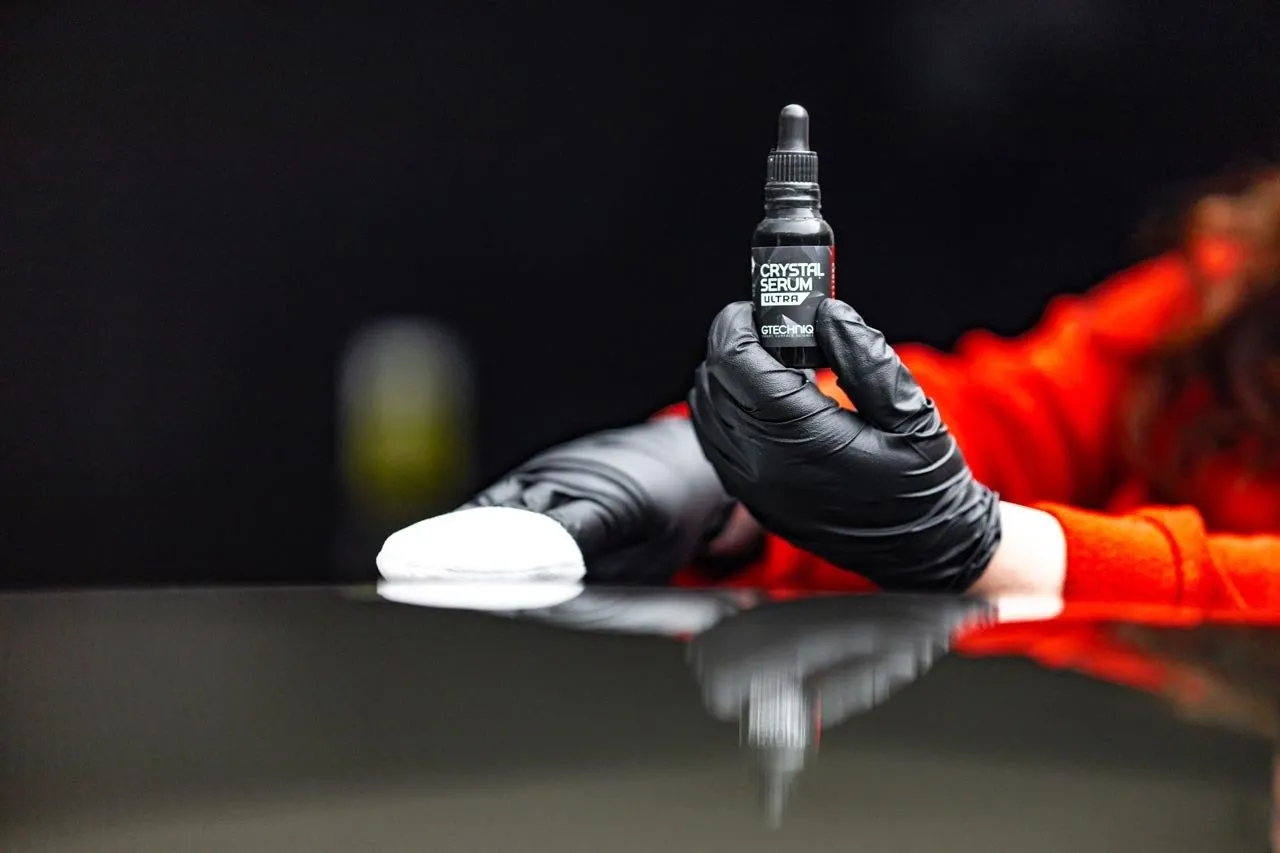
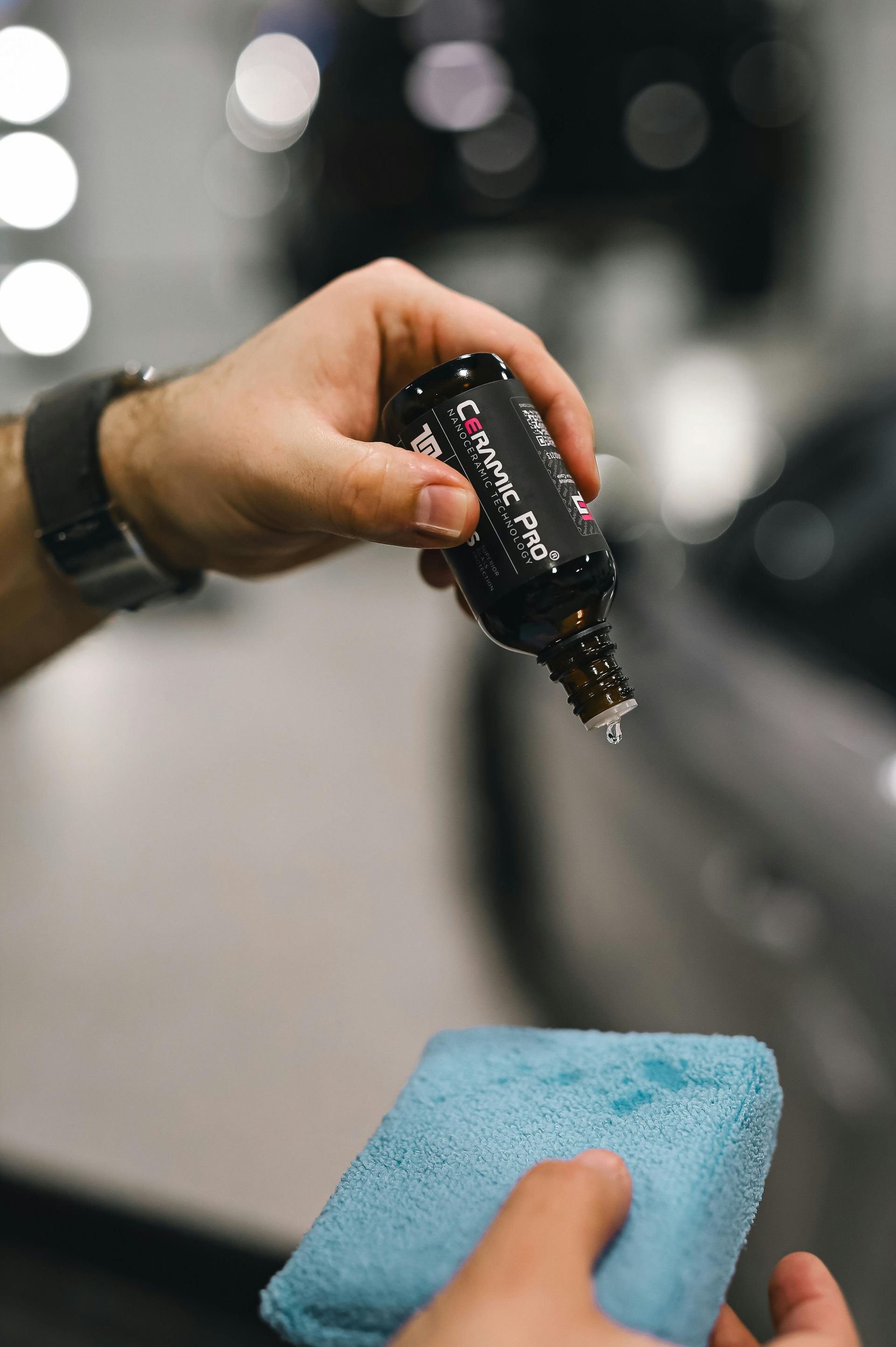
Properly corrected paint under PPF with ceramic coating on top delivers the ultimate finish - flawless appearance with layered protection and hydrophobic properties that make maintenance effortless. This combination justifies the correct investment by delivering truly exceptional results.
If you're considering this comprehensive protection approach, don't cut corners on the correction step. It's the foundation that makes everything else work properly.
What Professional Assessment Includes
While you can identify obvious paint issues yourself, a professional paint correction assessment reveals problems you'll miss. Trained technicians use specialized lighting and tools to evaluate paint condition comprehensively.
Professional assessment covers:
- Paint thickness measurement across all panels
- Detailed inspection under high-intensity lighting
- Evaluation of surface damage depth and severity
- Assessment of clear coat condition and integrity
- Identification of previous repair work or repainting
- Recommendation of the appropriate correction level
This thorough evaluation ensures the correction process addresses all issues without compromising paint safety. It prevents over-correction that removes too much clear coat and under-correction that leaves visible defects.
The Cost of Skipping Necessary Correction
Let's talk about what happens when you skip the correction that your paint actually needs. You save money upfront by avoiding the correction service. But you end up with PPF applied over imperfect paint. Those imperfections are now permanent.
You have three options at that point. Live with protected defects that bother you every time you see your vehicle. Pay to have the PPF removed, get the correction done, and reinstall the new PPF. Or just accept that you didn't get the result you were paying for.
All three options are worse than getting the correction done right the first time. The third option means you wasted money on premium protection that doesn't deliver a premium appearance. The second option requires paying for removal, correction, and new PPF installation.
Decision Framework for Your Vehicle
Making the correct decision requires balancing your paint's actual condition against your expectations and budget. Here's a practical framework for deciding whether your vehicle needs correction before PPF.
If your paint shows visible swirls, surface defects, or dullness, correction is necessary. If you want a truly flawless appearance under PPF, correction is necessary even for minor defects. If your vehicle is new but has dealer-installed swirls, light correction is recommended. If your paint looks good but you haven't had a professional assessment, get evaluated before deciding.
The only scenario where you might skip correction is if you're protecting a work vehicle where appearance isn't a priority and you're satisfied with just functional paint protection. Even then, light correction often improves PPF bonding and longevity.
How Correction Affects PPF Performance
Beyond appearance, paint correction actually improves how well PPF performs. Smooth, properly prepared paint provides a better adhesion surface for the film. The bond is stronger and more uniform. Edge sealing is more effective. The entire installation performs better when applied to corrected paint.
Rough or contaminated paint creates weak points in the adhesive bond. These weak points can lead to lifting, bubbling, or premature failure. Correction eliminates these issues and ensures your PPF installation lasts as long as the manufacturer intends.
This performance benefit adds real value to correction services. You're not just paying for appearance improvement. You're ensuring your PPF investment performs optimally throughout its lifespan.
Combining Correction with Ceramic Coating
Some vehicle owners choose to add ceramic coating on top of PPF for maximum protection and ease of maintenance. When you go this route, paint correction becomes even more critical. Both PPF and ceramic coating enhance whatever is underneath them.
Properly corrected paint under PPF with ceramic coating on top delivers the ultimate finish - flawless appearance with layered protection and hydrophobic properties that make maintenance effortless. This combination justifies the correct investment by delivering truly exceptional results.
If you're considering this comprehensive protection approach, don't cut corners on the correction step. It's the foundation that makes everything else work properly.
Getting Your Assessment Done Right
Professional paint correction assessment doesn't obligate you to any service. It gives you the information needed to make an informed decision about your vehicle's preparation needs. At Beadz Auto Detailing, we evaluate paint condition and recommend appropriate correction levels based on what your vehicle actually needs.
We don't push unnecessary services. We don't upsell corrections to vehicles that don't need them. We provide an honest assessment and let you decide how to proceed. Our goal is to make sure you're happy with the final result, whether that means minimal correction or comprehensive paint restoration before PPF installation.
The assessment process itself is straightforward. We inspect your paint under professional lighting, measure clear coat thickness, evaluate defect severity, and discuss your expectations. Then we recommend the correction level that delivers results matching your goals.
Make the Right Choice for Your Vehicle
Paint correction before PPF installation isn't optional for most vehicles. It's the difference between results you're proud of and results you regret. Understanding your paint's condition through proper paint correction assessment ensures you get protection that actually looks as good as it performs.
Don't make the mistake of skipping correction when your paint needs it. The money you save upfront gets wasted on protection that showcases defects instead of perfect paint. Get a proper assessment, invest in appropriate correction, and enjoy PPF that delivers the flawless appearance you're paying for.
Your vehicle deserves preparation that matches the quality of the protection you're investing in. Contact us to schedule a professional paint assessment and discover exactly what your vehicle needs before PPF installation. We'll give you an honest evaluation and recommendations that ensure your final result exceeds expectations.
Frequently Asked Questions
Can I tell if my paint needs correction without a professional assessment?
You can identify obvious issues like visible swirls, surface defects, or dullness through careful inspection in good lighting. However, professional assessment reveals hidden problems you'll miss. Paint thickness variations, subtle clear coat damage, and minor defects that PPF will magnify often require trained eyes and specialized equipment to detect. Getting a professional evaluation prevents surprises after PPF installation.
Does every vehicle need paint correction before PPF?
Not every vehicle requires correction, but most benefit from at least light enhancement. Brand-new vehicles might only need minimal prep if the factory finish is good. Well-maintained vehicles with a careful washing history might need just basic correction. However, any vehicle showing swirls, surface defects, or dullness definitely needs correction before PPF application to avoid sealing in imperfections permanently.
How do I know which correction level my vehicle needs?
Correction level depends on the current paint condition and your expectations. Light enhancement works for minimal defects and nearly new paint. Single-stage correction addresses moderate swirls and light surface defects. Multi-stage correction tackles heavy defects and significant damage. Professional assessment determines the appropriate level by evaluating defect severity and clear coat thickness to ensure safe, effective correction.
Will paint correction remove all imperfections?
Paint correction removes defects in the clear coat layer through careful buffing and polishing. It eliminates swirls, light to moderate surface defects, oxidation, and water spots. However, deep surface defects that penetrate through the clear coat into the base paint cannot be fully corrected. Rock chips and dents require different repair approaches. Assessment identifies which defects can be corrected and which require alternative solutions.
Can I apply PPF without correction if imperfections don't bother me?
While technically possible, applying PPF over uncorrected paint magnifies existing defects and makes them more visible. What doesn't bother you now will likely frustrate you once PPF highlights those imperfections. Additionally, rough or contaminated paint compromises PPF adhesion and performance. Even if appearance isn't your top priority, light correction improves film bonding and longevity, making it a worthwhile investment.