Professional Paint Correction vs Machine Polishing: Quality Differences Explained
GET A QUOTE (484) 866-3022The terms "paint correction" and "machine polishing" often get used interchangeably. But they're not the same thing. Understanding the difference between professional paint correction and basic machine polishing helps you recognize quality work and avoid services that won't deliver the results your vehicle deserves.
Basic machine polishing can make paint look shinier temporarily. Professional paint correction actually removes defects and restores paint to proper condition. The gap between these services is substantial, yet many shops blur the line to sell inadequate work at corrected prices.
What Machine Polishing Actually Accomplishes
Machine polishing uses rotating pads and polish to work the paint surface. The problem is that anyone with a buffer can claim to offer "polishing" without actually correcting anything.
Basic machine polishing typically involves single-pass work with medium-cut polish, limited defect assessment before starting, focus on creating shine rather than removing imperfections, quick turnaround prioritized over thorough results, minimal paint thickness consideration, and a generic approach without vehicle-specific technique.
This approach makes paint look better superficially. It adds gloss and might reduce the visibility of some swirl marks. However, it doesn't systematically remove defects or restore paint to optimal condition. The results look acceptable until you examine the paint closely under proper lighting.
Professional Paint Correction as a Systematic Process
Professional paint correction operates completely differently. It's about systematically identifying and removing every defect to restore paint to flawless condition. This requires methodology, not just machinery.
The professional correction process includes comprehensive paint inspection under multiple lighting conditions, paint thickness measurement across all panels, defect documentation and severity assessment, multi-stage correction matching defect depth, continuous inspection during the correction process, and final refinement ensuring uniform finish quality.
Each step serves a specific purpose. Inspection reveals what needs correction. Measurement ensures safe material removal. Documentation guides the correction approach. Multi-stage work removes defects progressively. This systematic approach is what makes the correction actually correct the paint rather than just polish it.
The Equipment Quality Gap
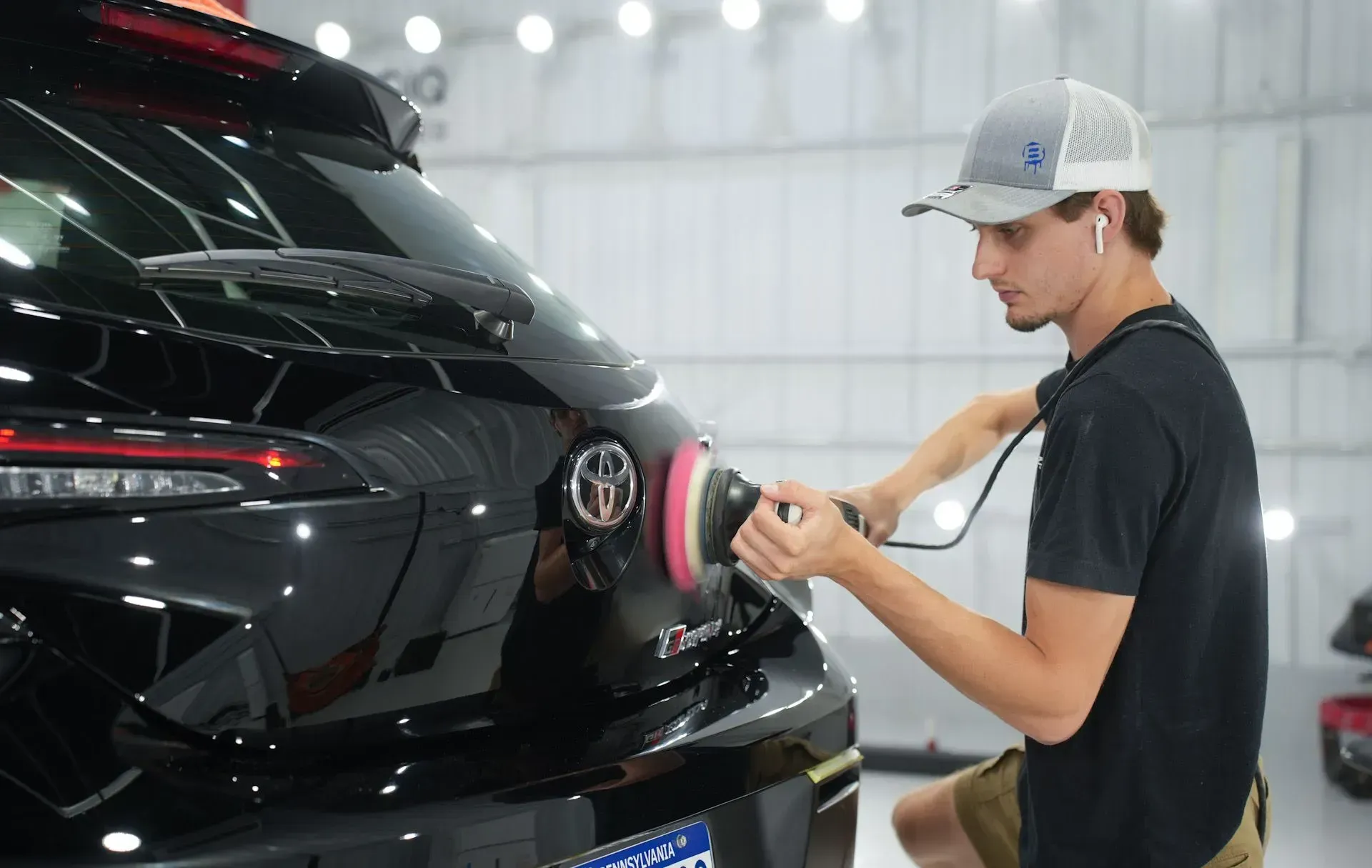
Both basic polishing and professional correction use machine polishers. However, the equipment quality, variety, and application differ dramatically.
Professional correction requires multiple polisher types for different stages, professional-grade machines with precise control, extensive pad inventory, specialized compounds and polishes, professional lighting systems revealing hidden defects, and paint thickness gauges for safe material removal.
Basic polishing operations typically work with single-polisher setups, limited pad selection, and generic compounds. Paint thickness measurement might not happen at all.
Skill and Training Requirements
Operating a machine polisher requires minimal training. Professional paint correction requires extensive training, practice, and continuous skill development.
Professional correction technicians must understand paint structure across vehicle types, how different defects form and how to address them, compound and polish chemistry, paint thickness variations and safe removal limits, and when to stop correcting to preserve paint integrity.
At Beadz Auto Detailing, our correction specialists train continuously on new techniques and vehicle-specific approaches. This expertise ensures every paint correction service delivers genuine defect removal rather than surface enhancement.
Multi-Stage vs Single-Stage Approach
Professional correction typically involves multiple stages - compounding to remove defects, polishing to refine the surface, and finishing to achieve final gloss. Each stage uses different products matched to its purpose.
Basic polishing usually involves single-stage work. One product, one pass, done. This approach might improve appearance, but it cannot achieve the uniform perfection that multi-stage correction delivers. Single-stage polishing compromises between cutting power and finishing quality.
Paint Thickness Measurement and Safety
Professional correction always includes paint thickness measurement. Technicians measure the clear coat across all panels before correction begins and monitor the thickness throughout the process.
Paint thickness measurement reveals original clear coat thickness, areas with thin clear coat requiring careful correction, previous repair work, and safe removal limits.
Basic polishing often skips thickness measurement entirely. Operators work without knowing how much clear coat exists or how much they can safely remove. This creates a risk of burn-through, especially on edges and body lines.
Lighting and Inspection Standards
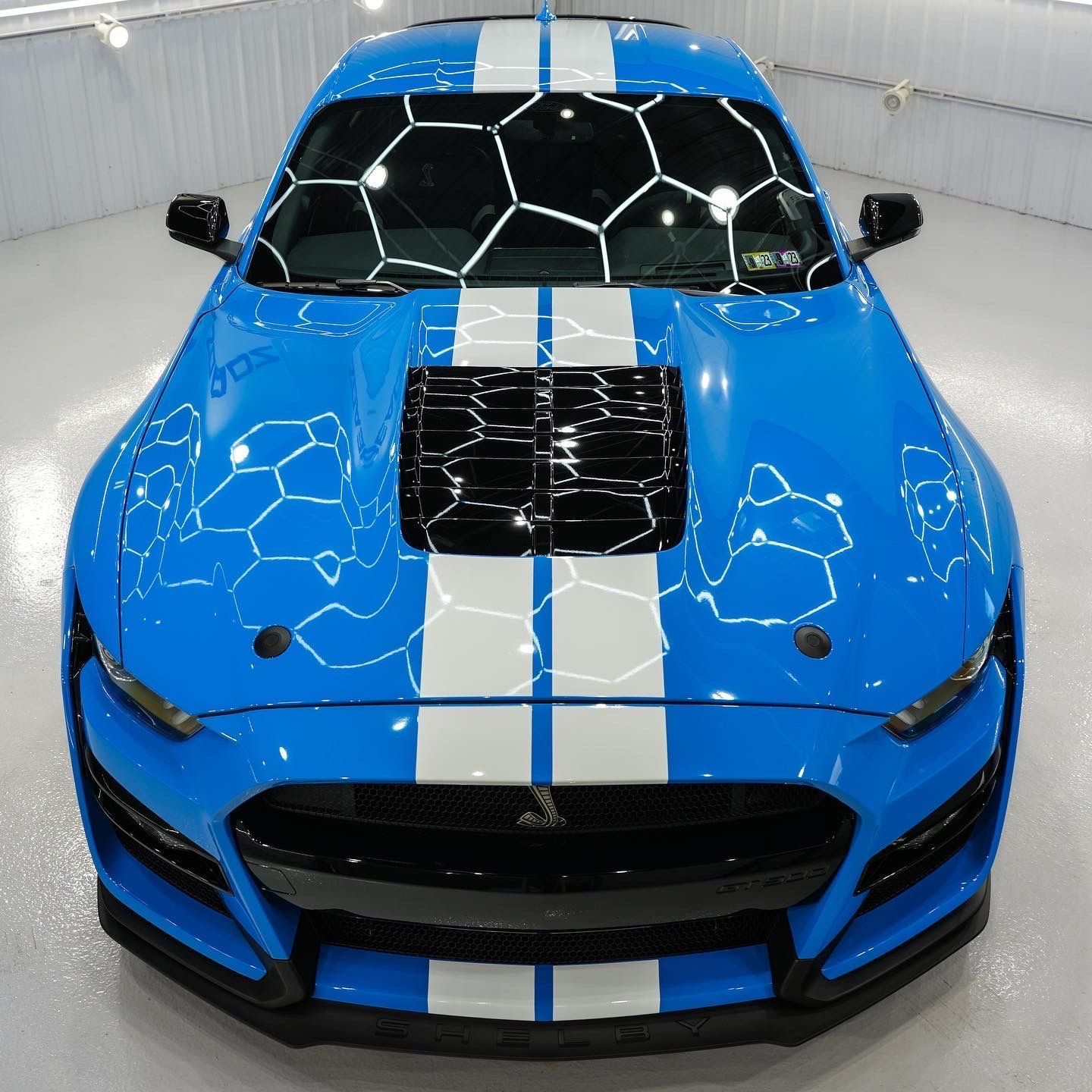
Professional correction demands professional lighting. Technicians use high-intensity LED systems that reveal every defect invisible under standard lighting.
Basic polishing operations work under standard shop lighting. They can't see the defects they're supposed to remove. The work might look acceptable under poor lighting, but it fails inspection under proper illumination.
Correction Levels and Appropriate Selection
Professional correction services offer multiple levels matched to paint condition severity. Enhancement polish for minimal defects, single-stage for moderate issues, and multi-stage for heavy defects. The correction level matches actual needs.
Basic polishing rarely offers level differentiation. One service, one technique, regardless of what the vehicle needs.

Combining Correction with Protection
Professional correction creates the ideal surface for the protection application. Whether you're adding ceramic coating or paint protection film, corrected paint ensures optimal bonding and appearance.
Basic polishing might claim to prepare paint for protection. However, if defects remain and the finish quality is inconsistent, the protection goes over imperfect paint. You're sealing in problems rather than protecting perfection.
Making the Right Service Choice
Professional correction delivers results that last and look flawless under any inspection. Basic polishing delivers a temporary improvement that doesn't withstand scrutiny.
If you want actual defect removal and a flawless finish, professional correction is the only option. Professional paint correction makes sense when you want defects actually removed, your vehicle's paint deserves restoration, you're protecting paint with ceramic coating or PPF, or resale value depends on paint perfection.
Your vehicle deserves correction that actually corrects. At Beadz Auto Detailing, we maintain professional standards that separate real correction from basic buffing. We measure paint thickness, document results, and work until your paint is genuinely corrected.
Ready for paint correction that delivers flawless results? Contact us to discuss your vehicle's needs. We'll assess your paint condition and recommend appropriate correction levels.
Frequently Asked Questions
How can I tell if a shop offers real correction or just polishing?
Ask about their process specifics. Professional correction includes paint thickness measurement, a multi-stage approach, professional lighting inspection, and before/after documentation. If they cannot describe a detailed methodology beyond "we buff it until it shines," they're offering basic polishing. Request to see their equipment, lighting systems, and examples of documented correction work.
Can basic polishing damage my paint?
Yes, improper polishing can cause significant damage. Without paint thickness measurement, operators risk removing too much clear coat or burning through edges. Incorrect technique creates new defects like buffer trails or hologramming. Poor pad or product selection can introduce surface damage worse than the original problems. This is why professional correction with proper safeguards matters.
Is paint correction necessary before ceramic coating?
Correction is essential before quality ceramic coating application. The coating enhances and magnifies whatever exists underneath. Uncorrected defects become permanent once sealed under ceramic coating. Professional correction removes these imperfections before coating, ensuring your coating investment delivers a flawless appearance rather than protected mediocrity.
How often does paint need correction?
Properly maintained paint with a careful washing technique needs correction infrequently. After professional correction, proper maintenance extends results significantly. However, paint subjected to automatic car washes, poor washing technique, or environmental damage accumulates defects requiring correction more often.
What's the difference between correction levels?
Correction levels address different defect severities. Enhancement polish handles minimal defects on nearly new paint. Single-stage correction removes moderate swirls and light surface damage. Multi-stage correction tackles heavy defects, deep surface issues, and significant paint degradation. Professional assessment determines which level your vehicle needs based on actual paint condition rather than arbitrary service tiers.