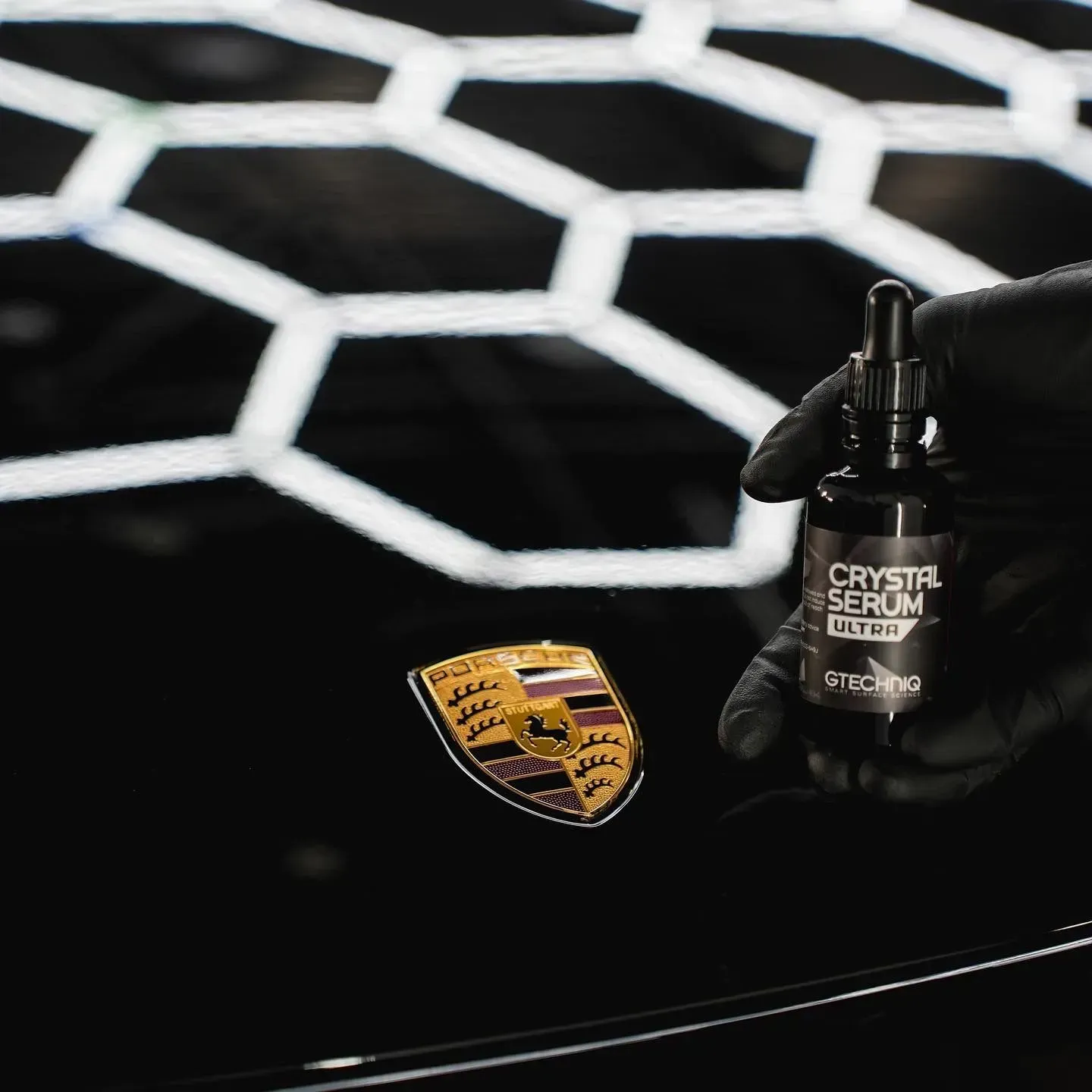
Track Package vs Full Front PPF: Choosing the Right Coverage Level
GET A QUOTE (484) 866-3022Performance car ownership comes with protection decisions. Your sports car sees different driving conditions than daily commuters. Track days, spirited drives, and high-speed highway runs expose paint to unique threats. Understanding PPF coverage options helps you select protection that matches how you actually use your vehicle.
Paint protection film coverage isn't one-size-fits-all. Different packages protect different areas based on varying exposure patterns. The question isn't whether PPF makes sense for performance vehicles - it does. The question is which coverage level delivers appropriate protection without overinvesting in areas that don't need it.
Understanding Coverage Level Differences
PPF coverage packages range from targeted protection to comprehensive installation. Each level addresses specific exposure patterns.
The primary coverage options include bumper-only protection, partial front covering of the bumper and headlights; full front extending across the entire front fascia; and a track package providing comprehensive coverage for performance driving.
Understanding what each package covers helps match protection to your vehicle's actual exposure. A garage-kept weekend car needs different coverage than a vehicle seeing regular track days.
What Track Package Coverage Provides
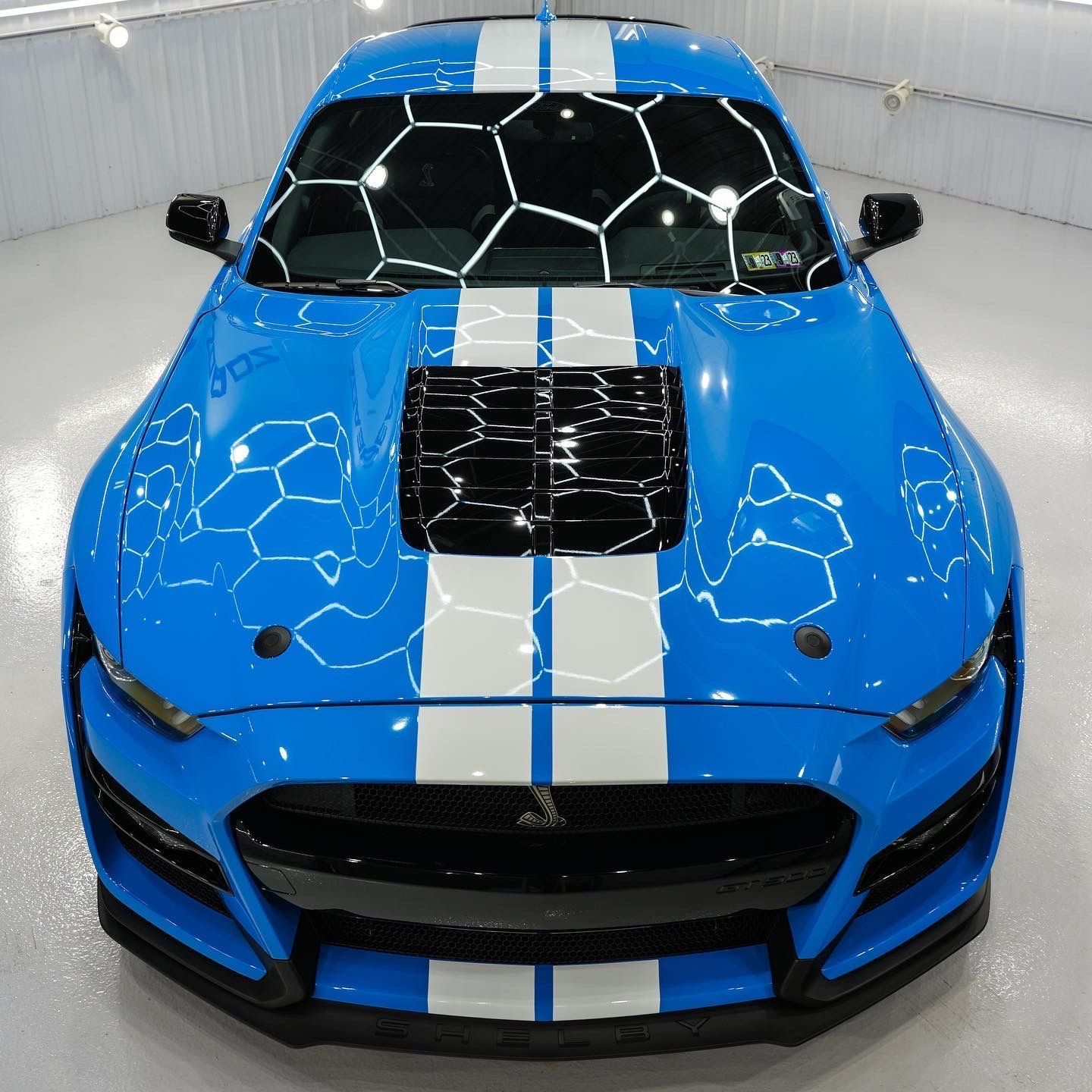
Track package represents comprehensive protection designed for performance-driving scenarios. This coverage level protects areas that matter when you're pushing your vehicle during track use and aggressive driving.
The extended coverage recognizes how performance driving exposes paint differently than commuting. Track days generate debris from other vehicles. High-speed runs increase impact energy from road debris. Track package addresses these elevated exposure patterns and makes sense when your vehicle sees regular performance use.
Full Front Coverage Explained
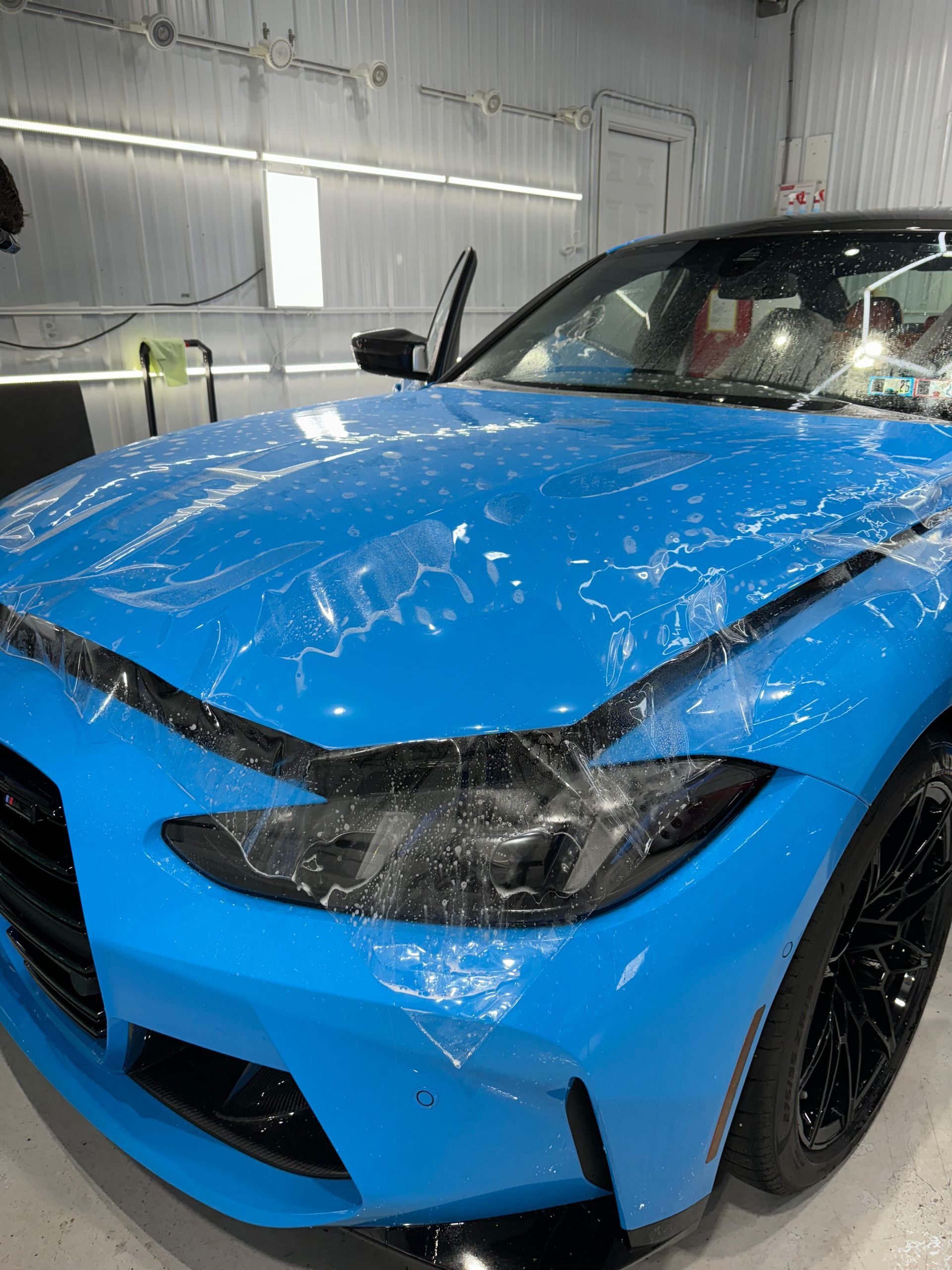
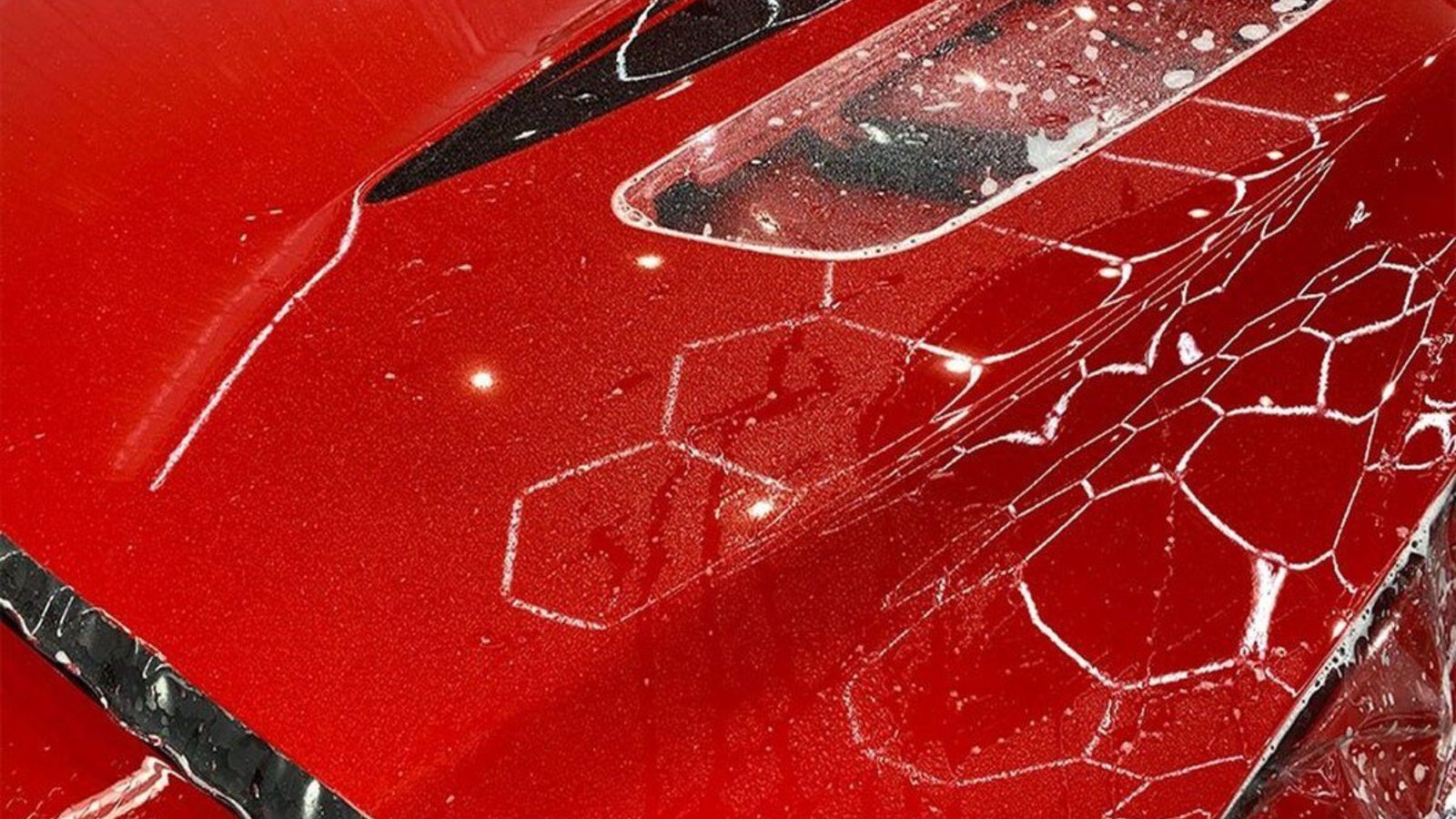
Full front coverage focuses protection on forward-facing surfaces that receive the most exposure during normal driving. This package protects areas exposed to road debris, bug impacts, and environmental contamination from standard vehicle operation.
This coverage level addresses the reality that most paint damage occurs on forward-facing surfaces. Rock chips concentrate on the front areas. Bug impact staining affects front-facing panels. Road debris damage clusters on surfaces that meet the oncoming air during driving.
Full front makes sense for vehicles used primarily on roads rather than tracks. Daily drivers, weekend cruisers, and highway commuters benefit from protecting areas that actually get damaged during normal use.
Driving Scenario Analysis
Your driving patterns determine which coverage level delivers appropriate protection.
For track-focused vehicles seeing regular competition or track day use, track package coverage makes sense. The extended protection addresses debris from other vehicles, increased impact energy from high speeds, and contact risks in paddock areas.
Performance street vehicles driven aggressively on roads but not tracked regularly might not need the track package extent. Full front coverage protects areas exposed during spirited driving. The hood, bumper, and fenders take impacts during aggressive road use.
Daily drivers and weekend vehicles used conservatively benefit from full front coverage, addressing normal road debris exposure. These vehicles don't generate the exposure patterns that justify tracking package investment.
Protection Assessment Framework
Selecting appropriate coverage requires assessing your vehicle's actual exposure patterns.
Consider how often you track your vehicle. Regular track use justifies track package investment. Occasional track days might not require comprehensive coverage. Evaluate your typical driving speed and environment. Highway speeds increase impact energy, making protection more valuable.
Assess how long you plan to keep the vehicle. Extended ownership justifies more comprehensive protection. Review your paint damage tolerance. Your acceptable imperfection level influences coverage investment.
Cost Considerations
Coverage level directly affects installation investment. More protected surface area requires more material and installation time.
Bumper-only protection represents minimal coverage and minimal investment. Full front protects significantly more area with a proportional investment increase. A tracked package represents maximum coverage at maximum investment.
The cost difference reflects material quantity and installation complexity. However, cost comparison must consider the protection value. Saving money on insufficient coverage means accepting damage to unprotected areas. Right-sized coverage delivers appropriate protection at a justified investment.
Making Your Coverage Decision
Choosing between the track package and full front coverage comes down to matching protection to actual vehicle use.
PPF coverage options should align with how you drive. Track package makes sense when your vehicle sees regular performance use. Full front makes sense when road driving represents the primary use.
Consider starting with full front coverage if you're uncertain. This level protects areas that matter for most driving. You can add extended coverage later if usage patterns change.
Performance vehicle owners who track regularly should seriously consider track package coverage. The extended protection addresses real exposure patterns that full front coverage doesn't handle.
Professional Installation Ensures Coverage Success
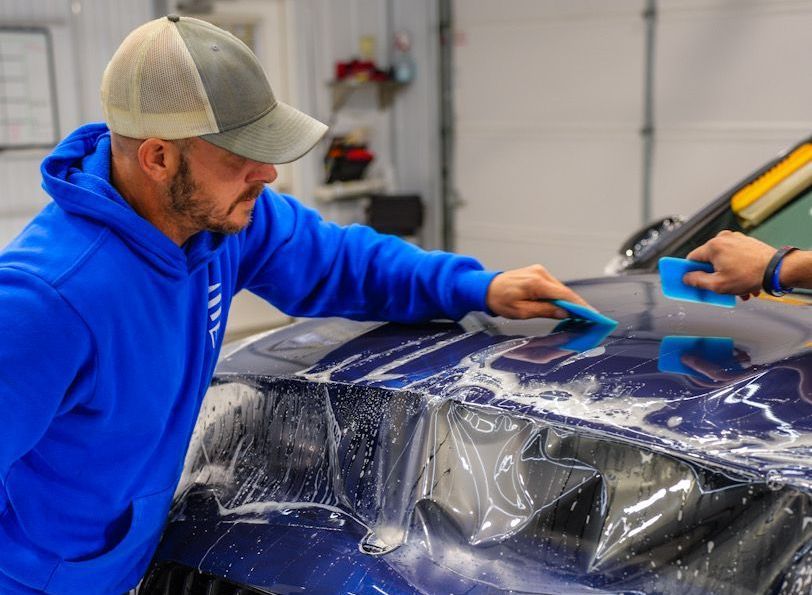
Coverage level selection matters, but installation quality determines whether that coverage actually protects your paint.
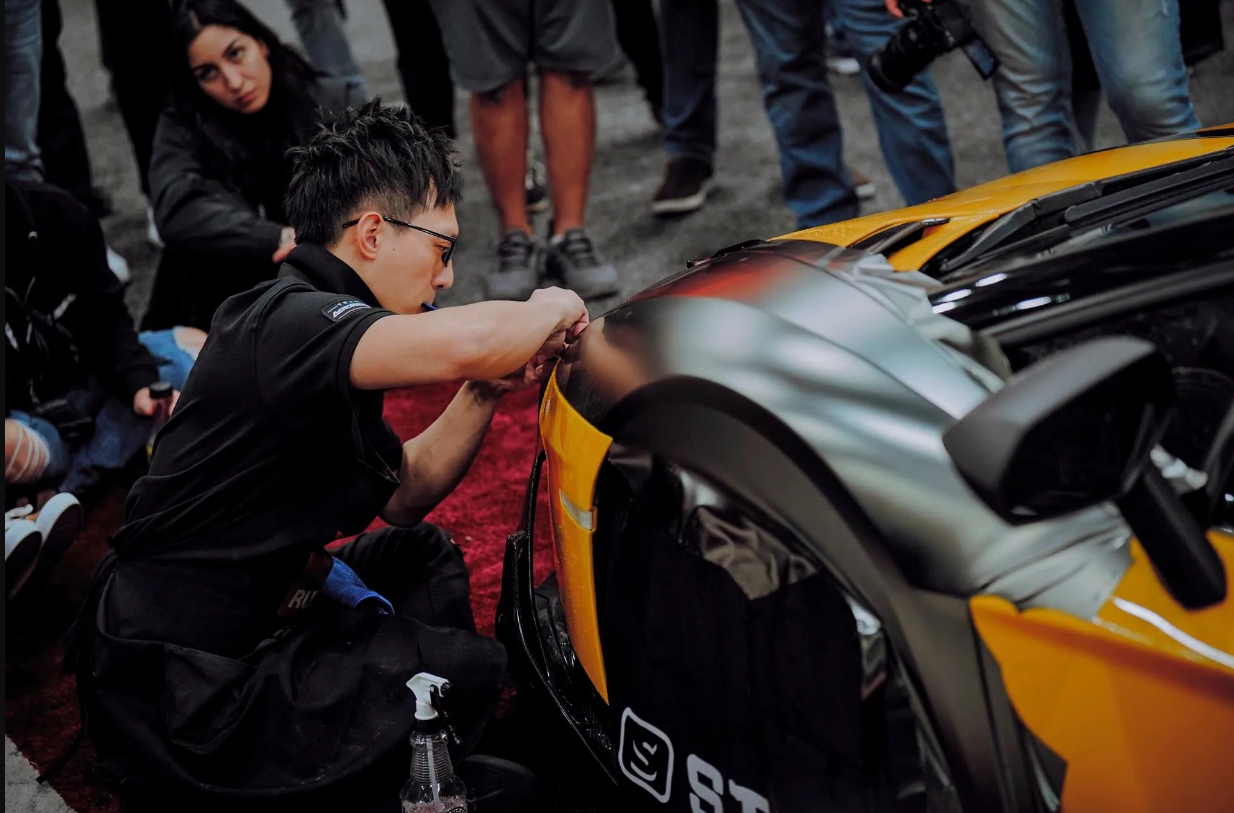
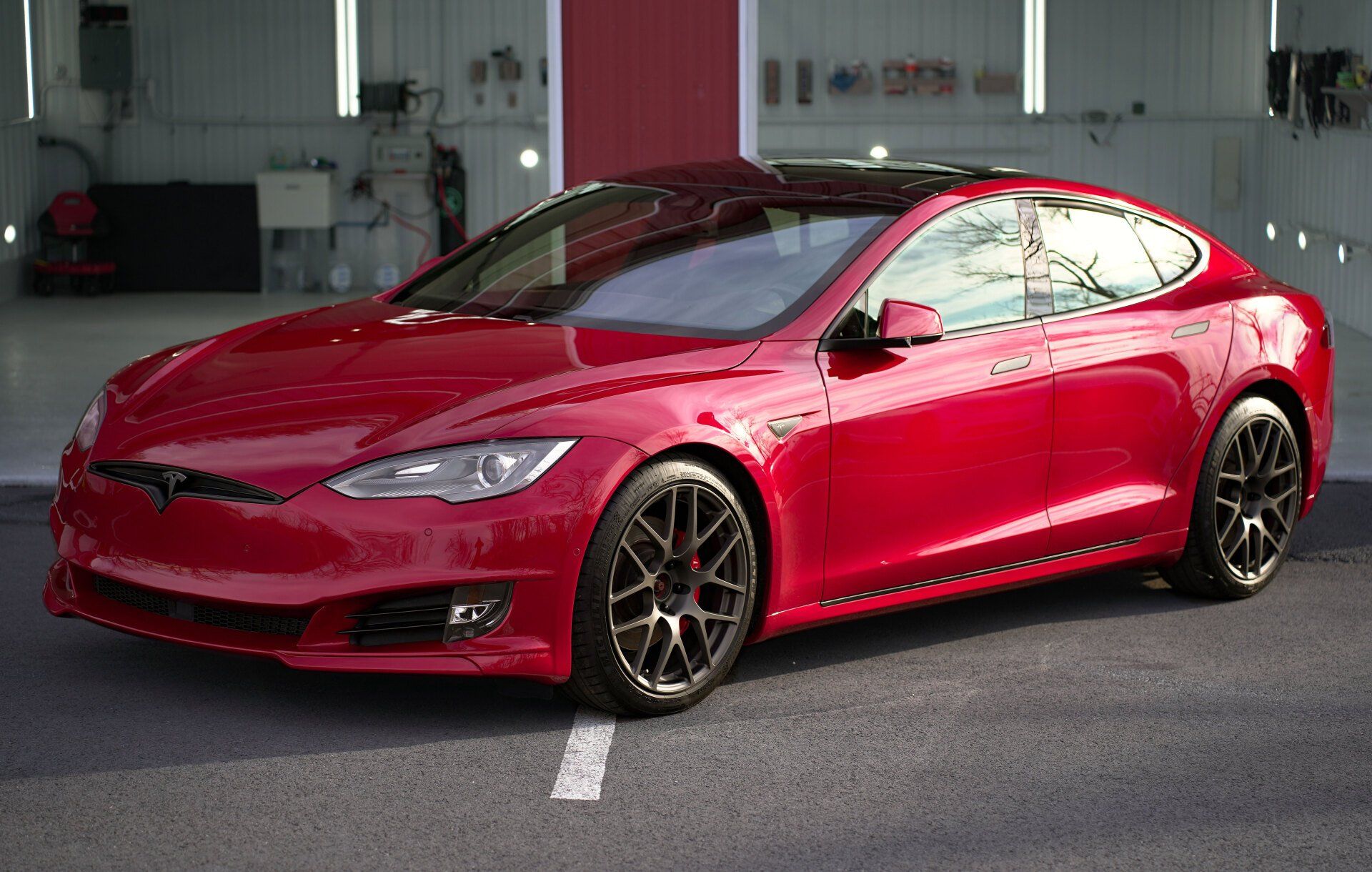
At Beadz Auto Detailing, we install all PPF coverage packages using STEK films and computer-generated patterns. Our installation process includes paint correction before film application.
Ready to protect your performance vehicle? Contact us to discuss which coverage level matches your driving patterns. We'll explain coverage options and recommend protection that makes sense for how you use your car.
Frequently Asked Questions
Can I add more coverage later if I start with a full front?
Yes, PPF coverage can be expanded over time. You can start with full front protection and add track package extensions later if your driving patterns change or you decide you want more comprehensive coverage. The existing film remains in place while additional panels are protected. This staged approach lets you increase coverage as needs evolve.
How long does each coverage level take to install?
Installation duration depends on the coverage extent and vehicle complexity. More comprehensive coverage requires more time for proper installation. Track package installations take longer than full-front installations due to additional surface area and panel complexity. Professional installers prioritize quality over speed, ensuring each panel receives proper attention regardless of package level.
Does tracking package coverage affect vehicle weight noticeably?
PPF adds minimal weight regardless of coverage level. The film itself is very thin and lightweight. Even a comprehensive track package coverage adds negligible weight that won't affect performance, vehicle dynamics, or handling characteristics. The protection value far outweighs any minor weight addition.
Which coverage level offers the best resale value protection?
Both the track package and full front coverage preserve paint condition, which affects resale value positively. However, the track package's more comprehensive protection preserves more painted surface in its original condition. For performance vehicles where buyers expect pristine paint, track package coverage can justify its additional investment through stronger resale value preservation.
Can coverage levels be customized beyond standard packages?
Yes, coverage can be customized to address specific vehicle needs. While a track package and full front represent common configurations, protection can be tailored to cover particular areas based on your priorities. Custom coverage lets you protect exactly what matters for your vehicle and driving patterns without paying for unnecessary coverage or leaving vulnerable areas unprotected.