Why Ceramic Coating Hydrophobic Properties Fade and What It Means
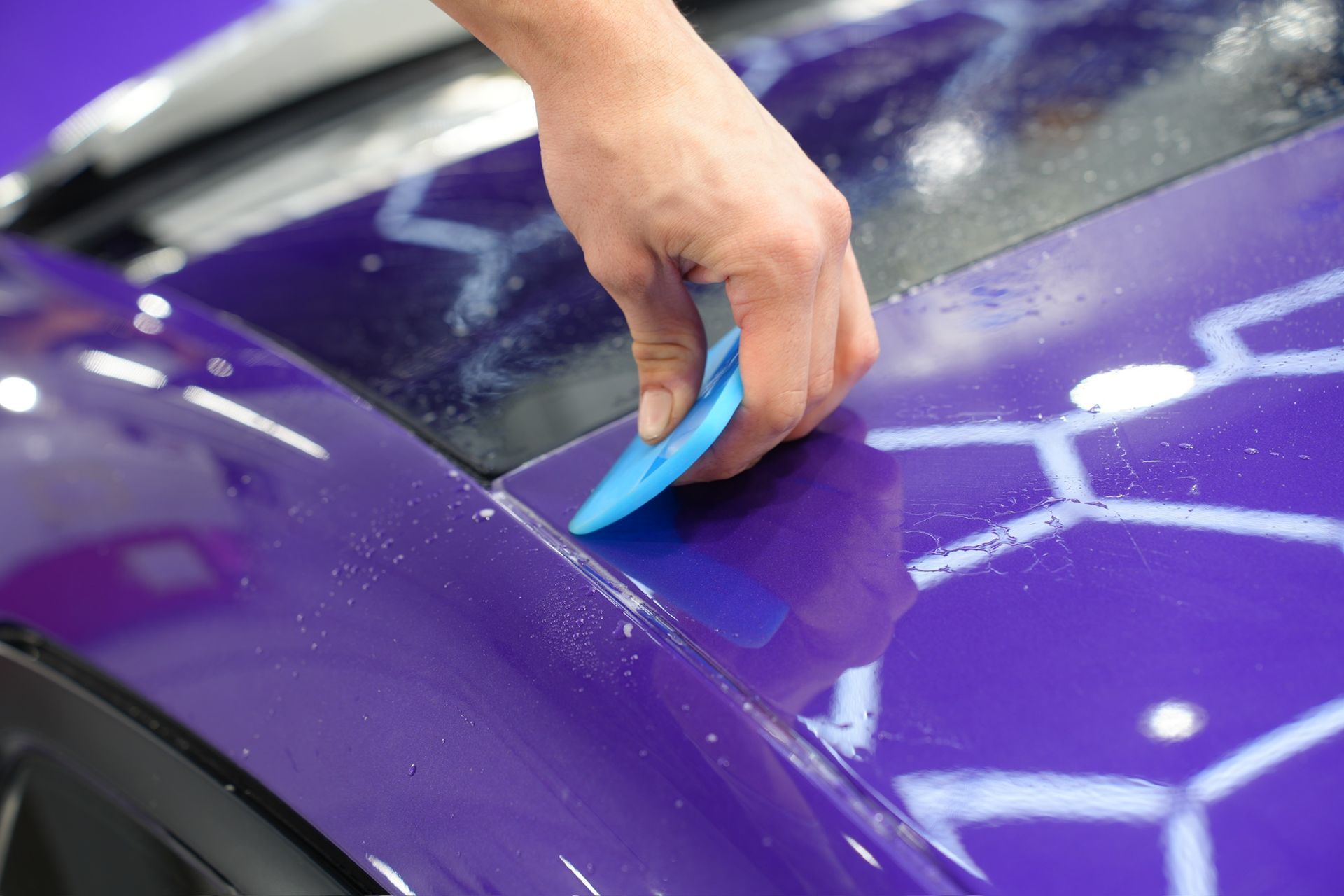
GET A QUOTE (484) 866-3022If you've noticed water no longer beads and sheets off your ceramic-coated vehicle like it used to, you're observing a normal process. Ceramic coating hydrophobic properties decline over time as coatings age and surfaces accumulate exposure and contamination.
Noticing water-beading decline doesn't automatically mean your coating has failed or requires immediate reapplication. Understanding whether your coating still provides protection requires professional assessment rather than visual water-behavior observation alone.
What Happens to Ceramic Coating Over Time
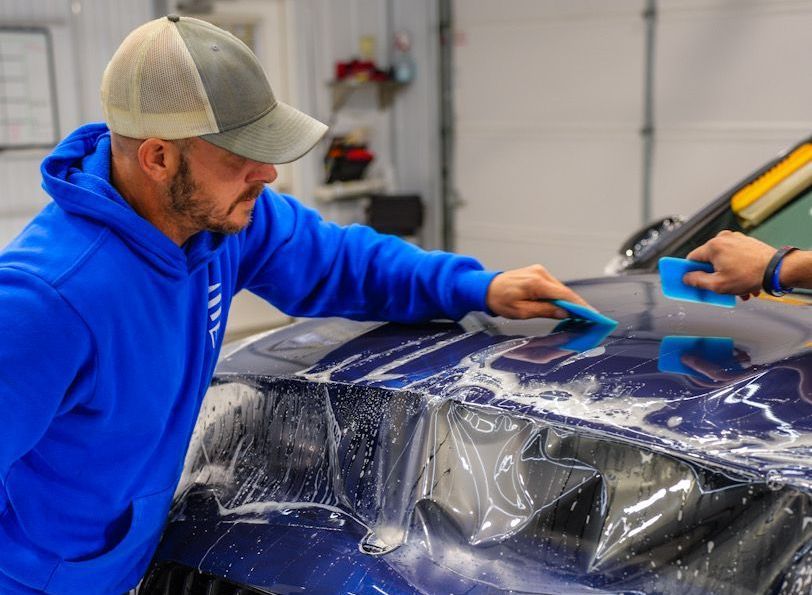
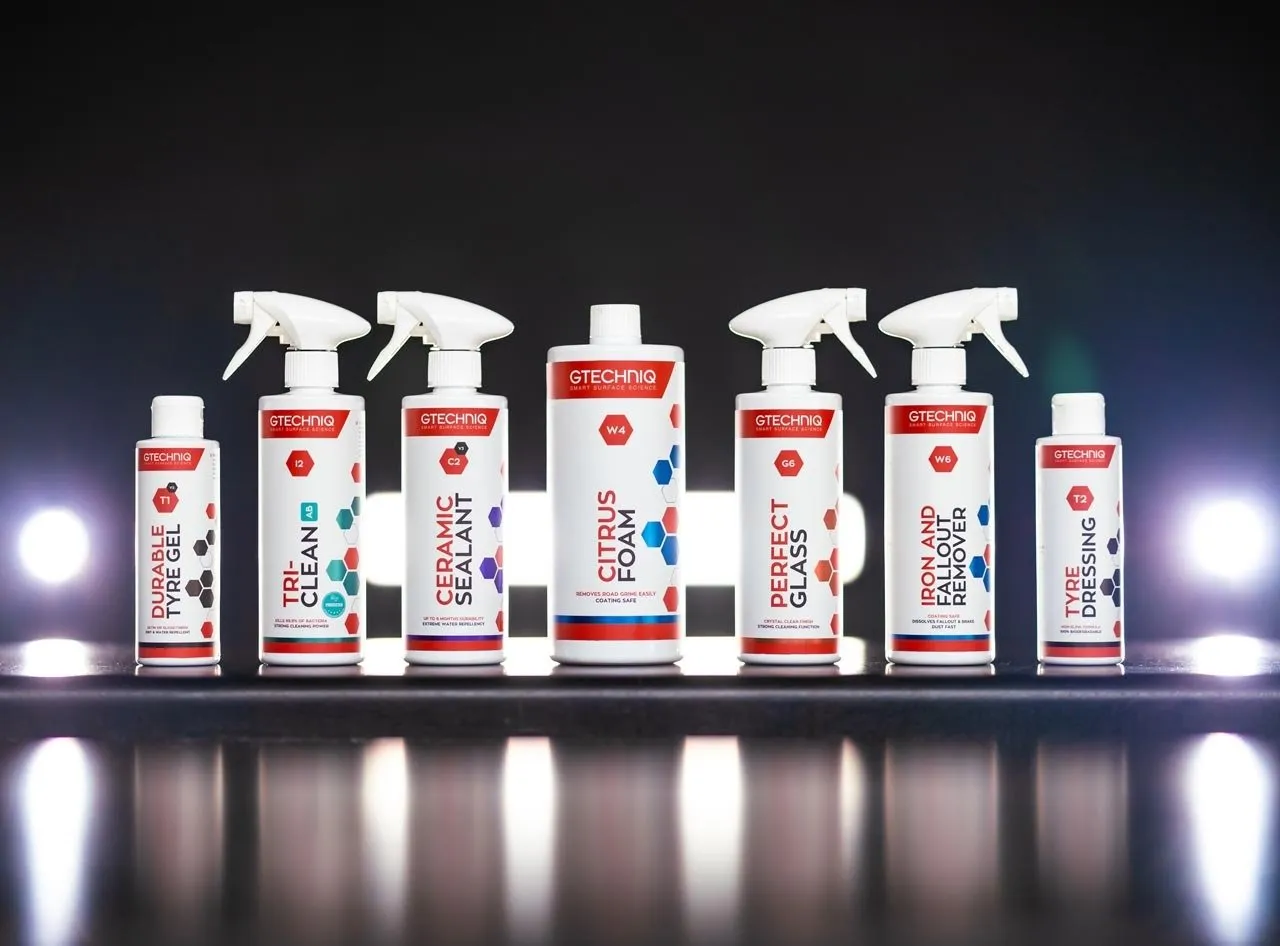
Gtechniq ceramic coatings that Beadz Auto Detailing installs provide protection for specific durations depending on the coating product selected. As a Gtechniq certified installer, we apply professional-grade coatings designed to protect your paint while you own the vehicle.
Gtechniq coating products and protection timelines:
- EXOv5 provides 2-year protection with hydrophobic properties
- Crystal Serum Light provides 5-year protection with enhanced durability
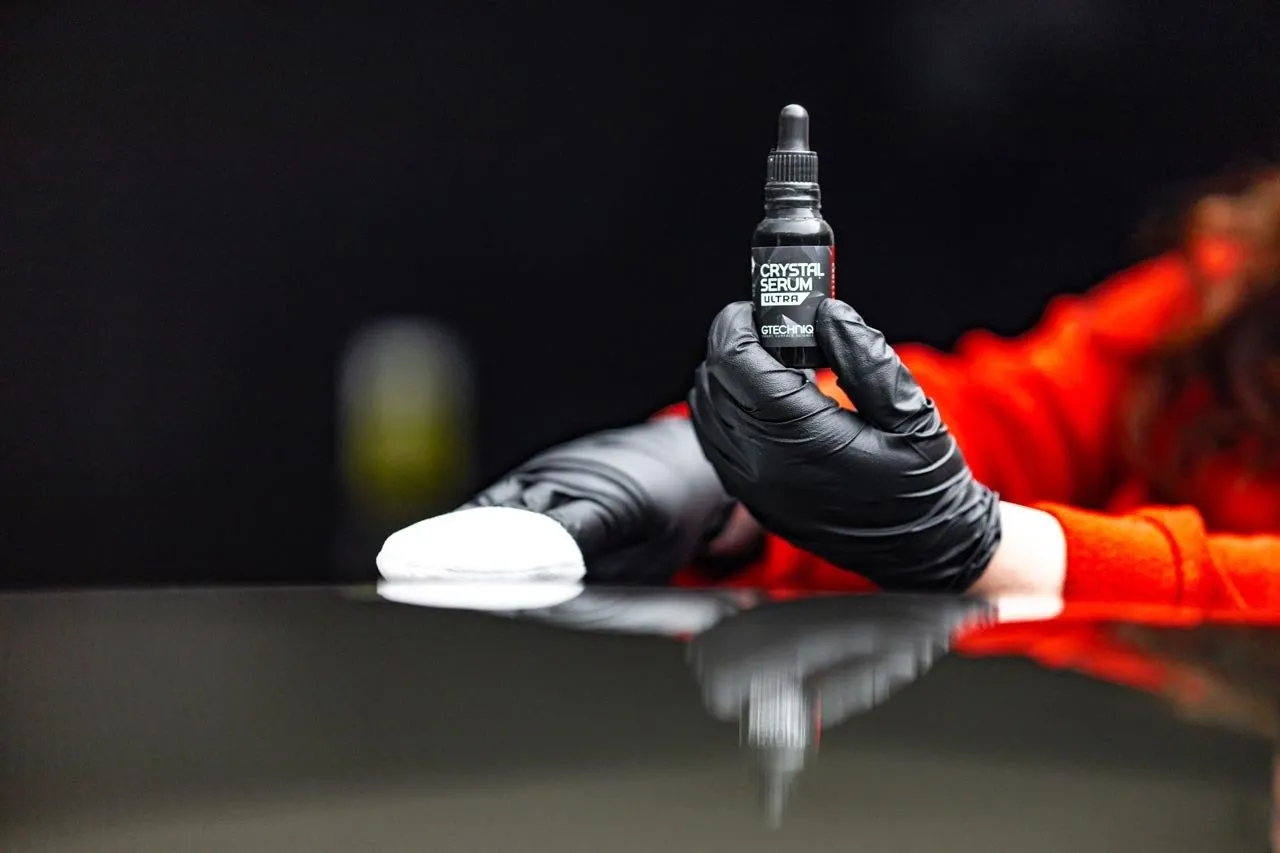
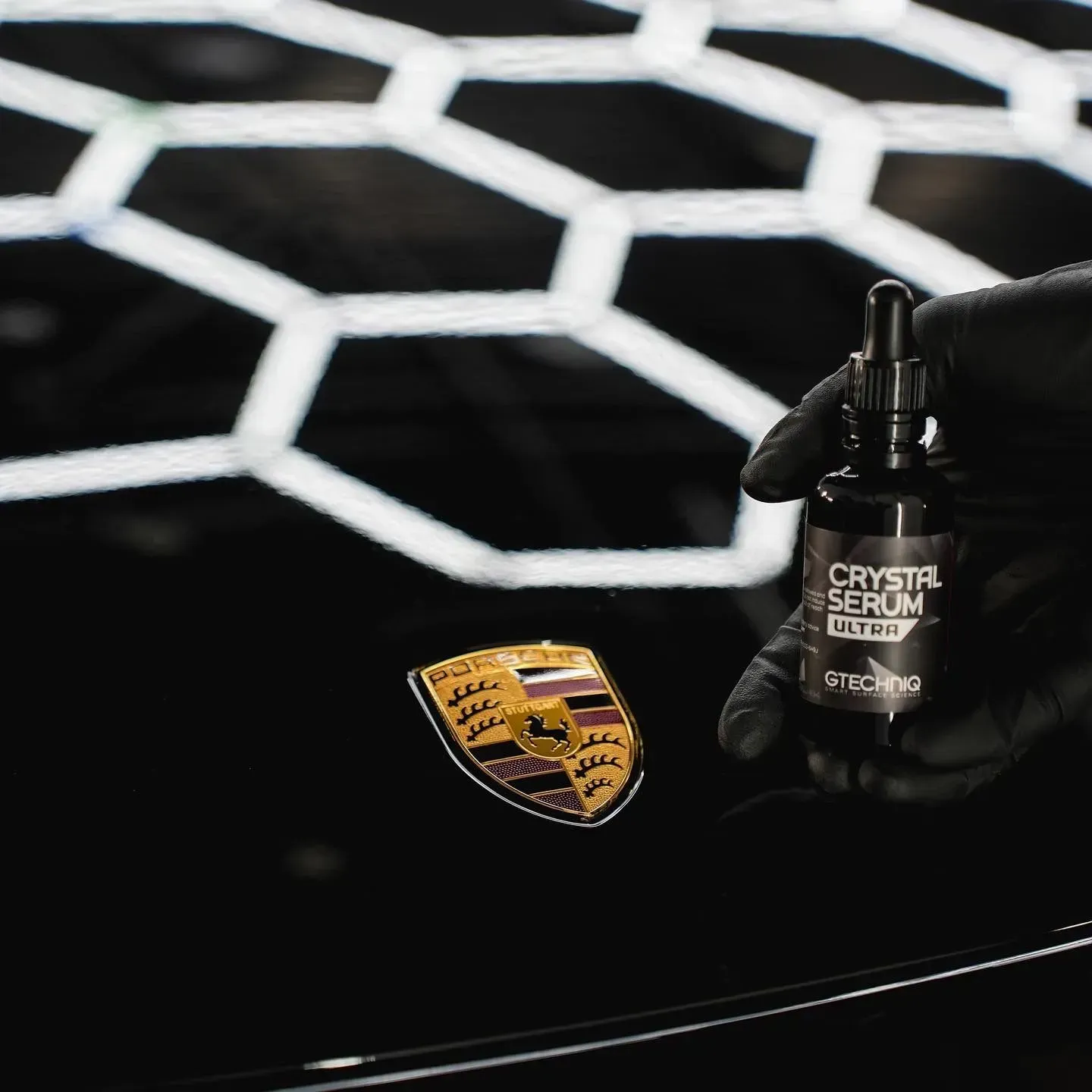
- Crystal Serum Ultra provides 9-year protection with 10H hardness rating and maximum longevity
These protection timelines represent the duration the coating maintains its primary protective function against UV damage and environmental attack. Hydrophobic behavior - the distinctive water-beading and sheeting - typically becomes less noticeable as coating surfaces age during these periods, but this does not mean protection ends abruptly.
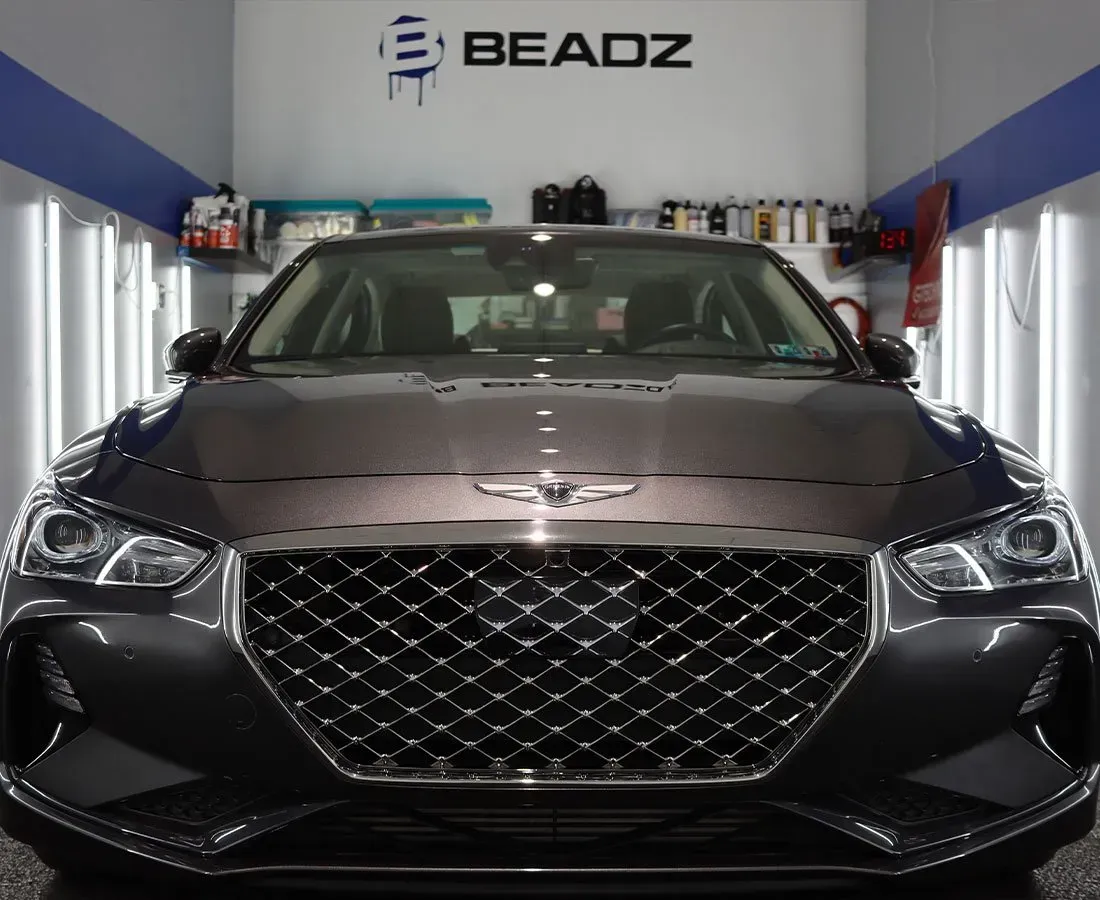
Understanding the difference between appearance and protection: The visible water-beading that makes coatings aesthetically impressive is one characteristic. The coating's underlying protection against paint damage from UV exposure, oxidation, road salt, and environmental contamination is the primary function. These two aspects decline on different schedules as coatings age.
Surface exposure and environmental factors: Coating surfaces directly contact UV radiation, road salt, weather exposure, and vehicle usage conditions throughout their protection period. Environmental exposure varies significantly based on:
- Climate and seasonal conditions in your region
- Parking location (direct sunlight versus shade)
- Frequency of road salt exposure during winter months
- Vehicle usage patterns and mileage accumulation
- Maintenance habits and washing frequency
- Local air quality and industrial fallout exposure
These factors influence how quickly visible changes occur on coating surfaces while the protective function may continue.
Hydrophobic Fade Versus Coating Failure
Distinguishing between fading water-beading and actual coating failure prevents unnecessary spending and poor maintenance decisions.
Water-beading decline is observable but doesn't indicate failure: Water ceasing to bead tightly indicates coating surface changes from age and exposure. This observation doesn't tell you whether the coating still protects your paint or has failed completely.
A coating can lose obvious water-beading behavior while still protecting paint from UV damage and environmental attack. The coating's protective function and visible hydrophobic behavior decline on different schedules.
Actual coating failure shows visible damage: Genuine coating problems appear as visible film separation from paint, edge lifting, widespread discoloration, clouding, or areas where the coating no longer adheres to paint. These conditions indicate the coating no longer provides protective coverage.
Signs of coating failure include:
- Film peeling or separating from edges
- Visible lifting at paint edges or panel boundaries
- Widespread haziness or cloudiness across multiple panels
- Discoloration or color shift in coated areas
- Areas where the coating surface has become rough or rough-textured
- Sections where water sits flat without any beading behavior while other areas bead normally
Visible coating damage, separation, or discoloration signals the need for professional assessment. These signs differ from simple water-beading decline alone.
Why water-beading decline is not a failure sign: Water ceasing to bead tightly is normal aging. The coating surface changes due to age and environmental exposure, changing how water interacts with the surface. This observation alone doesn't reveal whether the coating still protects your paint underneath.
Your coating can remain protective against UV damage and environmental attack long after water-beading becomes less obvious. Professional assessment reveals your coating's actual protective status rather than assumptions based on water behavior.
Maintenance Habits and Coating Appearance
How you care for your vehicle affects how quickly visible changes appear on your coating surface.
Regular washing and contamination removal: Regular washing and contamination removal help maintain coating appearance longer than surface neglect. Hard water deposits and mineral accumulation affect water-beading behavior independent of the coating's underlying protective function. Environmental contaminants like road salt, industrial fallout, and brake dust accumulate on coating surfaces and can interfere with water behavior.
Environmental exposure influence: Vehicles parked constantly in direct sunlight may show visible coating surface changes faster than vehicles with mixed sun and shade exposure. Vehicles in regions with harsh winters experiencing heavy road salt application show surface changes influenced by chemical exposure. Coastal areas with salt-spray exposure and industrial regions with air quality challenges influence the pace of visible changes.
These factors affect coating appearance while the protective function may persist longer than surface appearance suggests.
When to Assess Your Coating's Condition
If you've noticed hydrophobic behavior changing, professional assessment helps determine whether your coating requires action.
Coating age, visible damage, adhesion issues, and protective function all inform decisions about maintenance versus reapplication. Water-beading behavior alone doesn't reveal whether recoating is necessary.
Beadz Auto Detailing can assess your coating's actual condition, evaluate protection remaining, and discuss appropriate options based on what your specific coating needs.

Making Your Next Step Decision
Water no longer beading tightly is normal as coatings age. Determining whether your coating needs attention requires more than observing water behavior.
Contact Beadz Auto Detailing to discuss your coating's age, usage, and condition. Professional assessment reveals what your coating actually needs based on its current state rather than assumptions based on hydrophobic behavior.
Ready to assess your ceramic coating? Contact us to discuss your coating's condition and next steps. We'll evaluate whether your Gtechniq coating needs attention or can continue protecting your vehicle.
Frequently Asked Questions
Does water no longer beading mean my coating has failed?
Water-beading decline is normal as coatings age and surfaces expose to environmental conditions. This observation doesn't necessarily mean the coating has failed. Professional assessment determines whether your coating still protects your paint or requires action.
What causes hydrophobic properties to fade?
Environmental exposure, UV radiation, weather conditions, road contamination, and vehicle usage influence coating surface appearance over time. These factors cause visible changes while the coating may still provide protection. Different coating products fade at different rates depending on formulation.
How do I know if my coating needs reapplication?
Visible signs include film separation from paint, edge lifting, widespread discoloration, clouding, or areas where adhesion has failed. Simple water-beading decline without visible coating damage doesn't automatically mean reapplication is necessary. Professional inspection determines your coating's actual condition.
Can maintenance restore my coating's water-beading?
Cleaning and contamination removal may temporarily improve water-beading appearance by removing surface buildup. However, this addresses surface conditions, not underlying coating changes from age and exposure. Consult us about your specific coating's condition.
What if my coating is past its protection period?
Different Gtechniq coating products provide different protection duration. If your coating has reached its expected protection timeline, full removal and reapplication ensures your paint remains protected. We can assess your coating's age and discuss appropriate options.
Should I get a new coating or is my existing coating still protective?
This depends on your coating's specific product, installation age, usage conditions, and current visible condition. Professional assessment reveals whether your coating still provides protection or if reapplication is appropriate. Contact us to discuss your coating's status based on your vehicle's specific situation.