If you drive the I-80 corridor or other highways connecting the Poconos to New York City or the Lehigh Valley, your vehicle faces above-average paint damage risk. PPF Pocono area coverage decisions shouldn't be based on luxury positioning or aspirational thinking - they should match the real exposure your commute creates.
Long-distance commuting combines distance with concentrated debris exposure. You're accumulating highway mileage faster than local drivers while encountering specific damage sources consistently. Understanding these patterns helps you select appropriate PPF coverage that provides meaningful protection without unnecessary investment.
Why Pocono and I-80 Corridor Driving Creates Elevated Damage Risk
Pocono-area highways present specific paint damage threats differing from typical local driving.
High-speed debris concentration: Interstate 80 and connecting highways carry heavy truck traffic constantly. Vehicles traveling at highway speeds kick up road debris, brake dust, and deteriorated pavement material at impact energy substantially higher than local driving.
Daily commuting on these routes means constant, repeated contact accumulating damage quickly.
Rural road hazards and seasonal aggression: Routes connecting Pocono communities introduce gravel, loose pavement, and vegetation contact. Pennsylvania winters apply road salt creating chemical exposure alongside physical threats. Spring thaw and fall seasonal patterns bring additional debris activation and hazard zones.
The seasonal pattern means your exposure varies by time of year rather than remaining constant.
Understanding PPF Coverage Tiers for Commuter Use
Three primary coverage approaches serve different commuter situations.
Bumper and partial front coverage: This minimal approach protects only the most impact-prone surface - front bumper and lower hood. This covers primary rock chip sources from vehicles ahead but leaves upper hood, fenders, headlights, and mirrors unprotected.
For Pocono commuters accumulating significant highway miles, this tier typically underperforms your actual exposure.
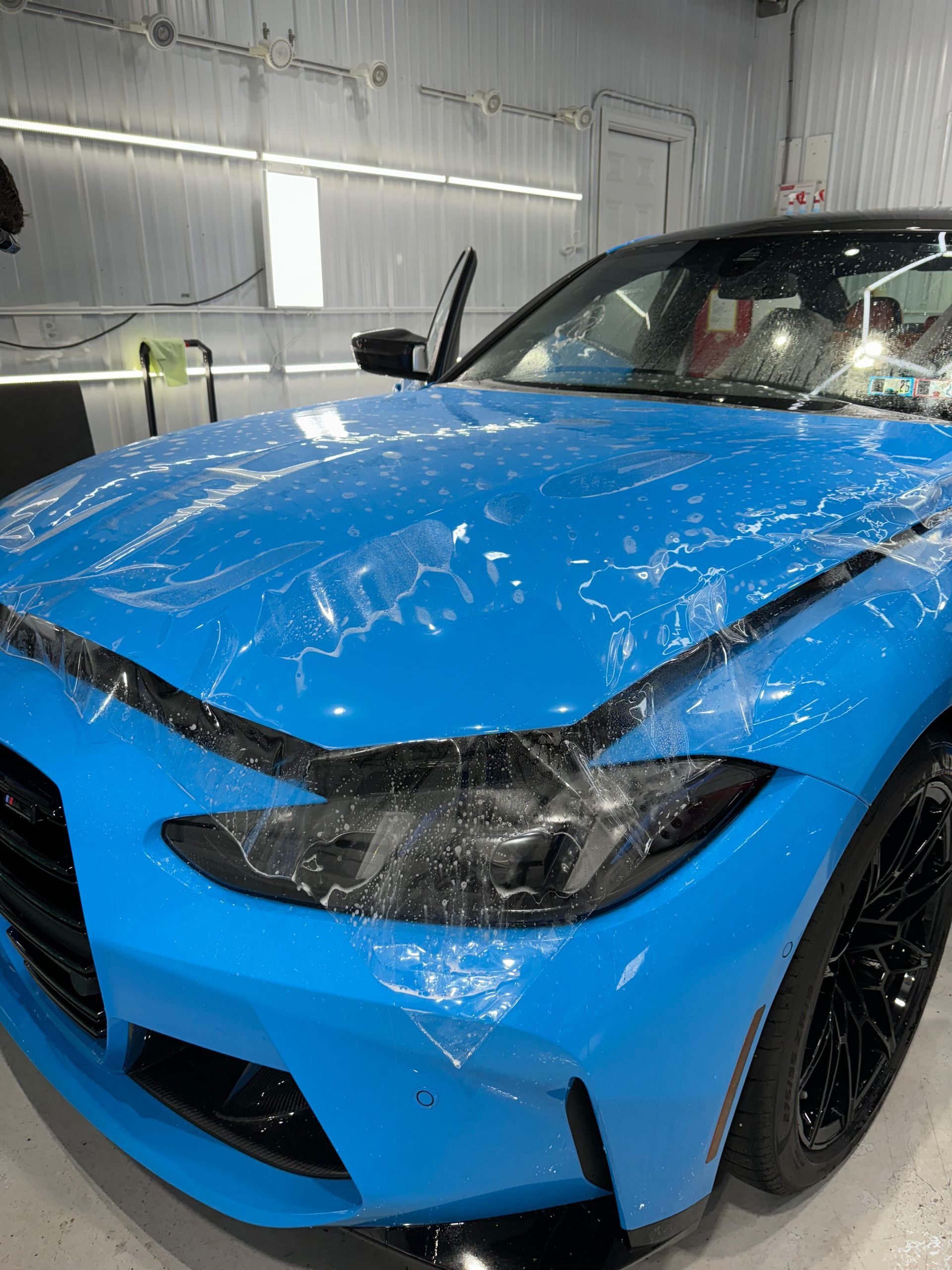
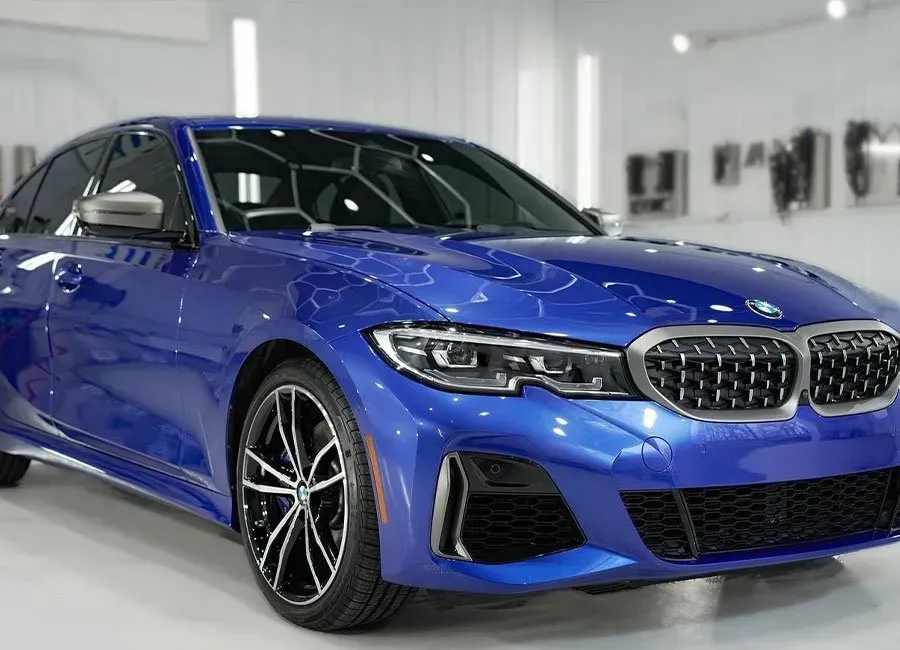
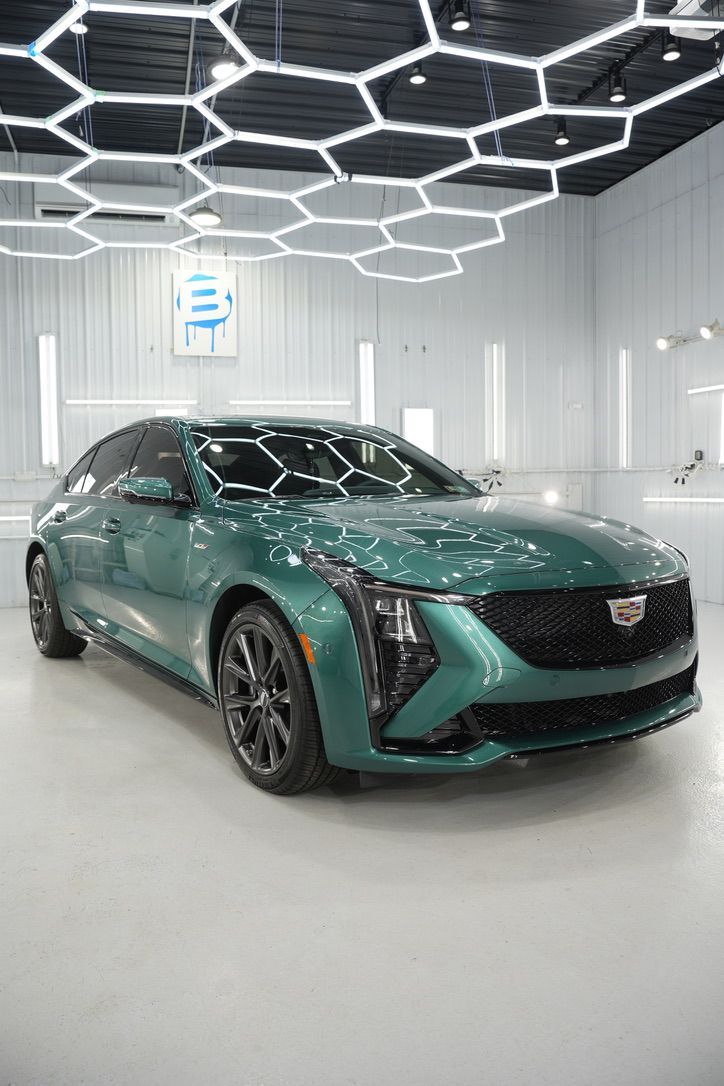
Full front-end coverage: This mid-range option protects the complete front-facing area - entire hood, fenders, bumper, mirrors, door edges, and headlights. This addresses primary damage zones highway commuting creates.
For vehicles with regular highway exposure, this tier typically provides appropriate protection, balancing coverage of primary threat areas with reasonable investment. Your installer can recommend this tier based on your specific driving patterns.
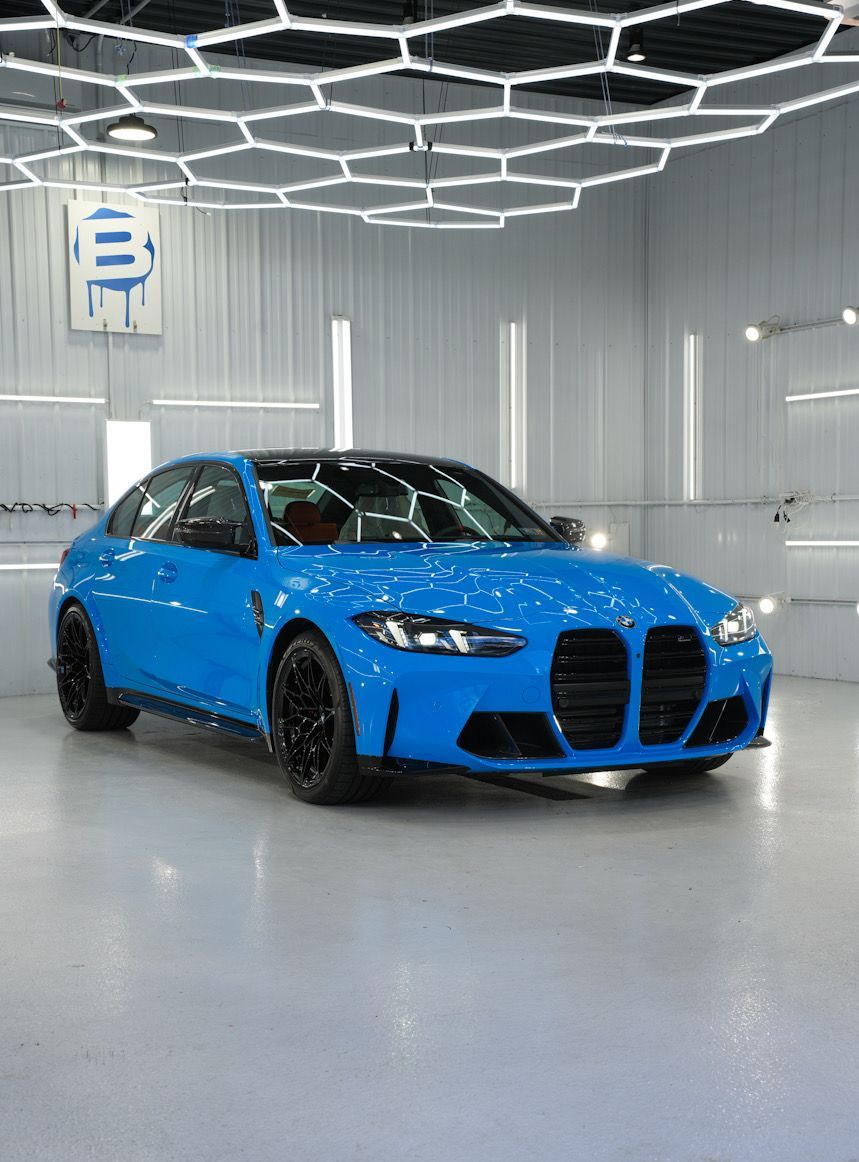
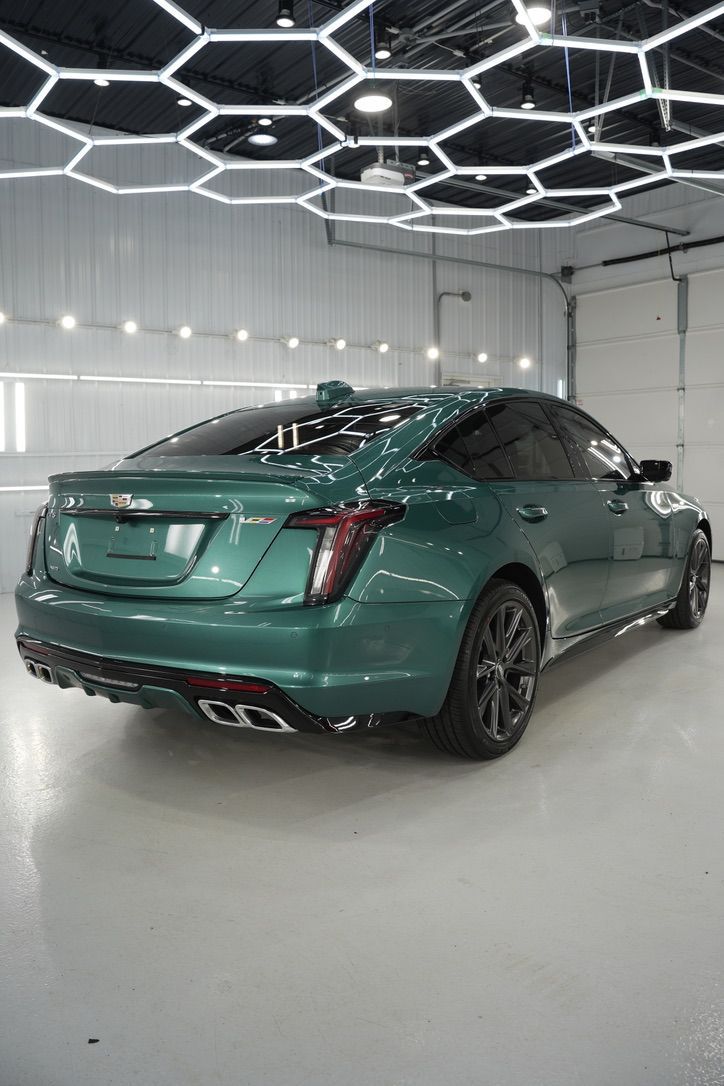
Full vehicle PPF: Complete coverage protects all painted surfaces. This maximum approach suits vehicles with significant value or extensive long-term mileage expectations. Comprehensive paint preservation justifies the investment.
Matching Coverage to Your Specific Driving Patterns
Your actual mileage, route frequency, and vehicle value should determine appropriate coverage rather than theoretical protection maximization.
Annual mileage assessment: Consider your typical annual highway mileage and commuting frequency. Vehicles with higher highway exposure benefit from more comprehensive coverage. Lower-mileage occasional commuters might find partial front coverage sufficient. Your installer can help assess appropriate coverage based on your actual driving patterns.
Route composition and vehicle value: Evaluate route types and seasonal variations. Higher-value vehicles justify more comprehensive protection. Long-term ownership plans also influence decisions - vehicles you plan keeping 5-10+ years justify investment preserving appearance and value.
Highway Commuting and PPF Investment Perspective
PPF represents meaningful investment that should align with damage risk and protection value.
Cost-benefit analysis: Professional full front-end coverage typically costs substantially less than major paint repair on a high-value vehicle. Your protection investment pays for itself through prevented damage requiring expensive professional correction. Multiple avoided repairs quickly exceed PPF installation cost.
Highway commuting creates paint damage risk that professional paint correction cannot prevent. PPF prevents damage accumulation entirely, providing forward protection correction cannot deliver.
Long-term value preservation: Vehicles protected through commuting years maintain appearance worth thousands more on resale than unprotected equivalents. Paint condition directly impacts buyer appeal and final sale price for high-mileage vehicles.
Installation and Location Convenience
Access to professional PPF installation matters for commuters. Location convenience influences scheduling and installation planning.
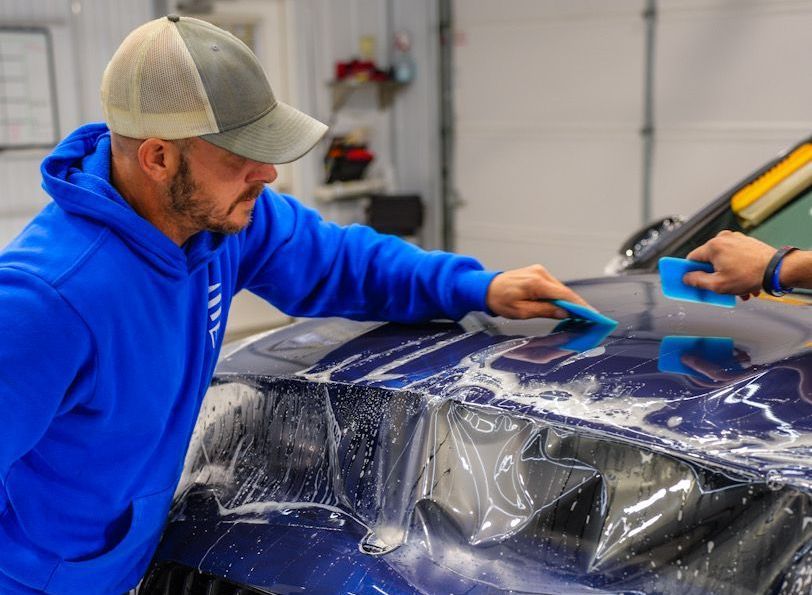
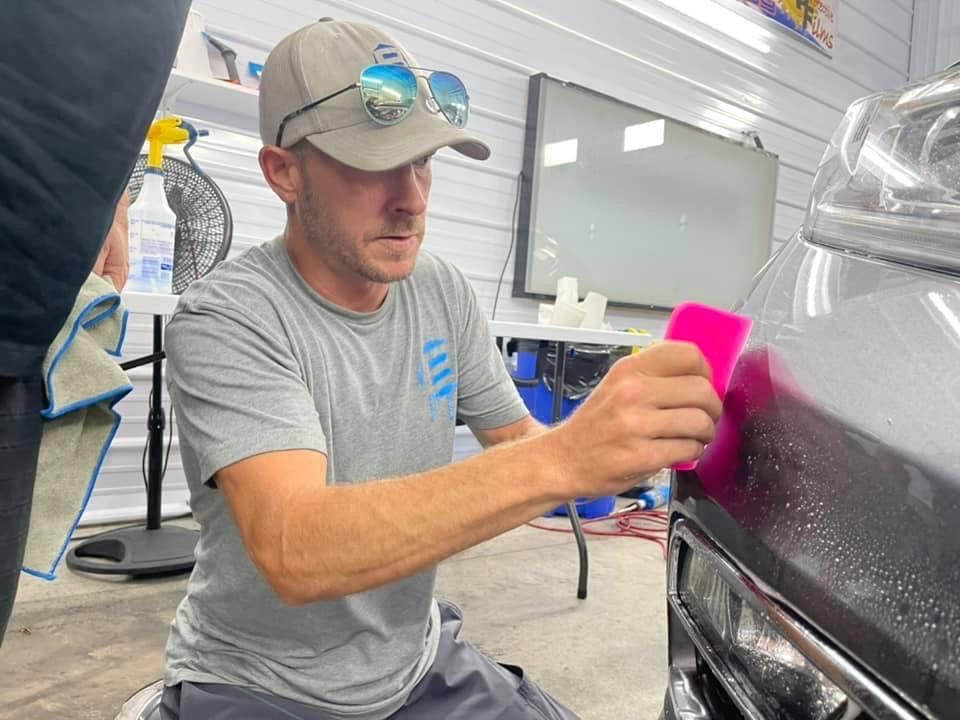
For Pocono-area commuters, Beadz Auto Detailing in Bethlehem provides professional PPF installation within the Lehigh Valley region. We're experienced with STEK paint protection film and understand highway commuter protection needs.
Daily Driver Care for Protected Vehicles
PPF-protected vehicles require ongoing maintenance ensuring protection performance.
Regular washing and contamination removal: PPF reduces but doesn't eliminate washing needs. Highway commuting accumulates road grime, salt residue, and industrial fallout requiring regular removal. Clean your vehicle regularly, especially during winter conditions when road salt exposure increases.
Tree sap, insect residue, and tar settle on PPF just as they settle on paint. Remove these contaminants promptly before bonding creates permanent staining. Ask your installer for specific care recommendations for your vehicle.
Inspection and maintenance: Inspect PPF periodically for edge lifting or separation. Professional installation creates proper film adhesion preventing issues. PPF doesn't eliminate washing needs or reduce maintenance frequency. Protection enables easier cleaning and damage prevention, not maintenance elimination.
Physical contact still creates potential damage. While PPF protects against road debris, direct impact from collisions can still occur within normal commuting parameters.
Making Your PPF Coverage Decision
Deciding between coverage tiers requires honest assessment of your driving situation rather than maximum protection thinking.
Assess your typical annual highway mileage. Evaluate which routes you drive regularly and seasonal variations. Consider your vehicle's value and long-term ownership plans. These factors determine appropriate coverage level.
Full front-end coverage serves most Pocono commuters effectively. This tier addresses primary damage sources highway commuting creates while representing reasonable investment. Vehicles with higher value or longer ownership plans justify full coverage. Lower-mileage occasional commuters might find partial coverage sufficient.
Ready to protect your vehicle for Pocono commuting? Contact us at our Bethlehem location to discuss PPF coverage options matching your commute patterns. We'll assess your vehicle and recommend protection appropriate for your actual driving exposure.
Frequently Asked Questions
How much does PPF cost for commuter vehicles?
Investment varies based on coverage level selected - partial front coverage costs substantially less than full-vehicle protection. Professional installers provide estimates after vehicle assessment. Focus on protection value relative to your specific commute exposure rather than minimum cost.
Can I add PPF later if I start commuting more?
Yes, additional coverage can be installed after initial partial protection if your driving patterns change. Starting with appropriate current coverage makes sense. Expanding protection later addresses evolving needs as circumstances change.
Does highway driving void PPF warranty?
Ask your installer about warranty details and coverage. Highway use represents normal vehicle operation. Your installer can explain warranty terms specific to the PPF product and installation.
How long does PPF installation take?
Professional installation requires adequate time for proper surface preparation, film application, and initial curing. The process cannot be rushed. Installation typically takes longer than customers expect, but time investment ensures quality results.
What should I avoid after PPF installation?
Avoid immediate washing - allow proper curing first. Avoid harsh chemicals or high-pressure washing equipment that could compromise film edges. Follow installer care instructions specifically. Avoid assumptions that PPF eliminates all maintenance or protection needs.
Should I get full vehicle PPF or just front coverage?
This depends on your vehicle value, ownership timeline, and damage risk exposure. Full front coverage typically serves highway commuters well. Full vehicle coverage makes sense for high-value vehicles or long-term ownership. Partial coverage might suffice for lower-mileage vehicles.