Ceramic Coating for Lehigh Valley Weather and Road Conditions
GET A QUOTE (484) 866-3022If you drive regularly around Bethlehem, Allentown, or Easton, you know what Pennsylvania winters do to vehicles. Road salt on Route 22 and I-78 attacks paint relentlessly. Winter freezes transition to spring temperature swings that stress every exterior surface. Summer humidity and fall acid rain create a year-round assault on your vehicle's finish.
Ceramic coating Lehigh Valley applications create a chemical barrier addressing these specific regional threats. This isn't about shine - it's about protecting against environmental factors that destroy automotive paint in our climate.
Why Lehigh Valley Roads Destroy Automotive Paint
Our regional road conditions create specific threats that accelerate paint degradation faster than in milder climates.
- Winter road salt contamination: PennDOT heavily salts Route 22 and I-78 from November through March. This salt bonds chemically to paint, pulling moisture through the clear coat and beginning corrosion processes underneath. Brine spray from highway travel coats every vehicle surface constantly.
- Highway debris and industrial fallout: Heavy truck traffic on Route 22 between Allentown and Easton kicks up road debris, brake dust, and industrial particulates daily. Your vehicle's leading surfaces accumulate grime that embeds into paint and resists traditional washing.
- Temperature cycling stress: Bethlehem experiences dramatic temperature swings during spring and fall. Paint expands and contracts repeatedly. Water trapped in microscopic imperfections freezes and expands, creating surface damage that compounds each season.
How Ceramic Coating Creates Chemical Protection
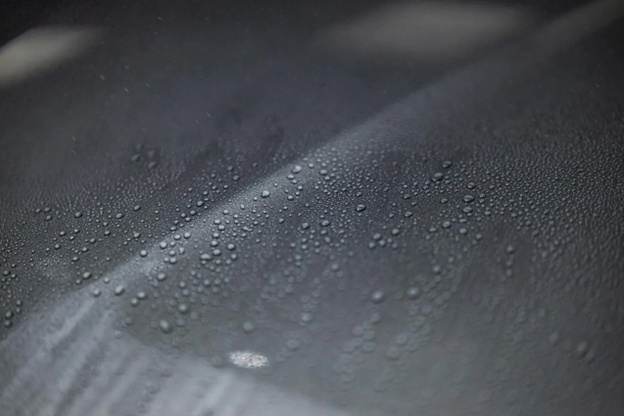
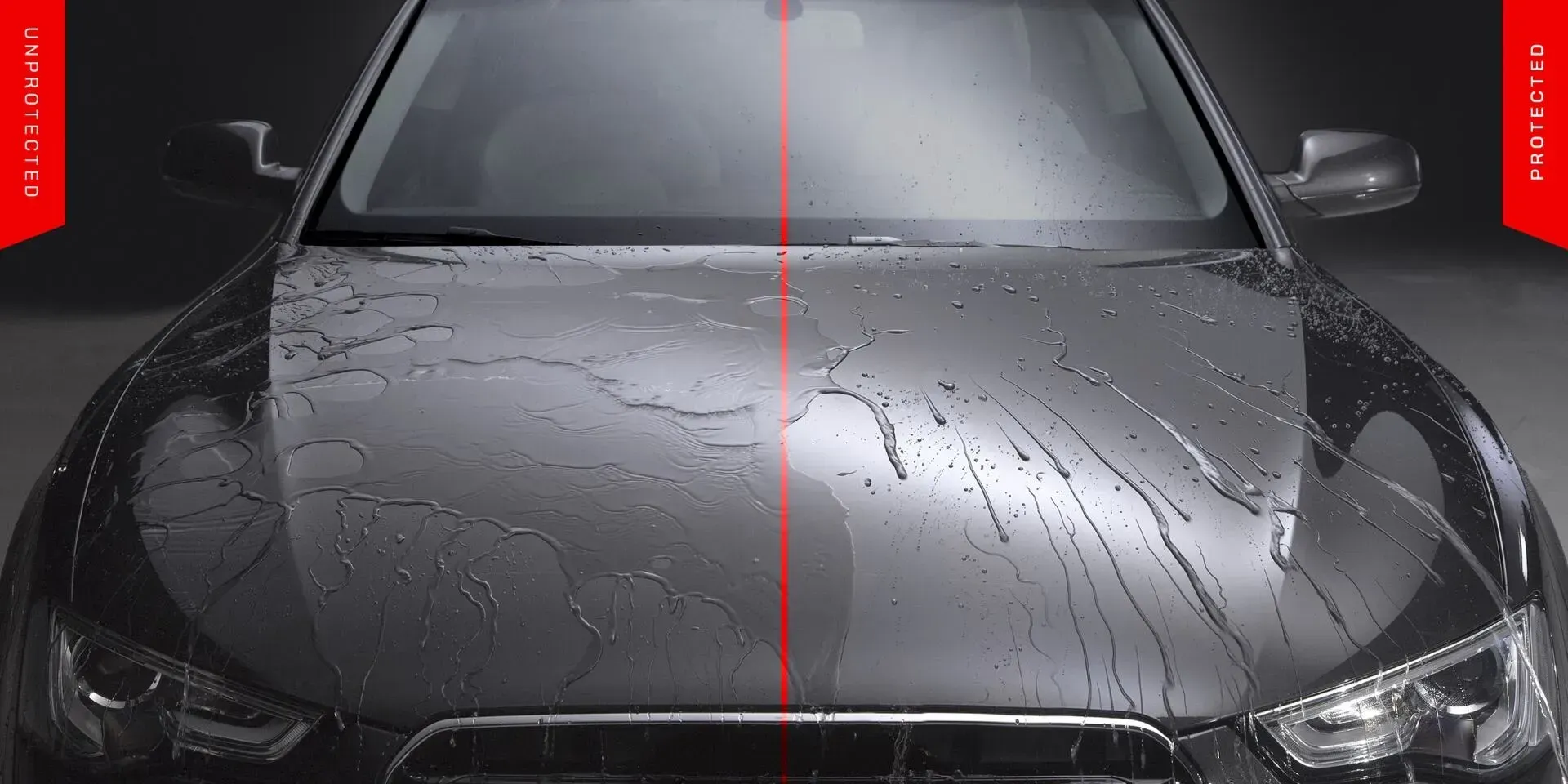
Ceramic coating forms a chemical bond over your paint that resists the specific threats our region generates. The coating creates a hydrophobic surface, preventing water, salt solution, and contaminants from bonding directly to the paint. When salt spray hits coated paint, the solution beads and sheets off rather than penetrating.
Road grime sits on top of the ceramic layer instead of bonding to the clear coat. This makes washing more effective - contamination rinses away easily. The coating also provides UV resistance, protecting against Pennsylvania's summer sun that fades unprotected paint.
Surviving Winter: Salt and Chemical Resistance
Winter presents the harshest conditions your vehicle faces. Road salt creates corrosive conditions, attacking bare paint continuously. Ceramic coating prevents salt solution from sitting on the paint long enough to cause penetration beneath the surface.
After winter storms, coated vehicles wash clean much more easily. The salt, sand, and grime mixture rinses off without aggressive washing. The coating also prevents salt staining that occurs when the brine solution dries on unprotected paint.
Spring Thaw Challenges and Protection
Spring introduces new threats as roads deteriorate. Potholes kick up debris, creating paint chip threats. The coating provides a sacrificial layer absorbing minor impacts. Spring rain in Pennsylvania often carries pollutants and acids that attack paint surfaces. Ceramic coating's chemical resistance prevents acid penetration.
Temperature cycling between freezing nights and warm days creates expansion and contraction cycles. Coated paint handles this stress better.
Summer Heat and UV Protection
Lehigh Valley summers bring intense heat and humidity, creating specific paint challenges. Pennsylvania summer sun generates significant UV exposure that fades paint over time. Dark colors suffer most noticeably. The ceramic coating's UV resistance maintains color depth and prevents the chalky appearance that unprotected paint develops.
Our region's industrial activity generates airborne particulates settling on vehicles during hot weather. This contamination bakes onto hot surfaces if left for extended periods. The coating's non-stick properties prevent this baking process.
High humidity levels create water spotting problems on uncoated vehicles. Minerals in water dry on the surface, leaving permanent spots. Ceramic coating's hydrophobic properties cause water to sheet off before mineral deposits form.
Fall Preparation: Acid Rain and Leaf Contamination
Falling leaves accumulate on vehicles parked under trees. These leaves release tannins that stain unprotected paint permanently. The coating prevents tannin penetration. Fall also brings acid rain from weather fronts moving through our region. The chemical-resistant ceramic coating becomes valuable during the fall months.
Temperature drops create dew formation overnight. This moisture, combined with airborne contaminants, creates staining conditions. The coating's hydrophobic properties cause dew to bead and roll off.
Maintenance Through Pennsylvania's Seasonal Cycle
Understanding realistic maintenance requirements through our region's weather patterns sets appropriate expectations.
Seasonal maintenance priorities:
- Winter: Wash frequently to remove salt accumulation. The coating makes this easier, but regular washing remains important. Focus on undercarriage areas where salt concentrations are highest.
- Spring: Inspect your coating for damage after winter. Regular washing removes pollen and spring contaminants.
- Summer: Wash regularly to prevent industrial fallout and insect buildup. Park in shade when possible to reduce UV exposure.
- Fall: Remove leaf debris promptly. Wash after acid rain events. Prepare for winter by ensuring the coating remains in good condition.
Why Local Professional Application Matters
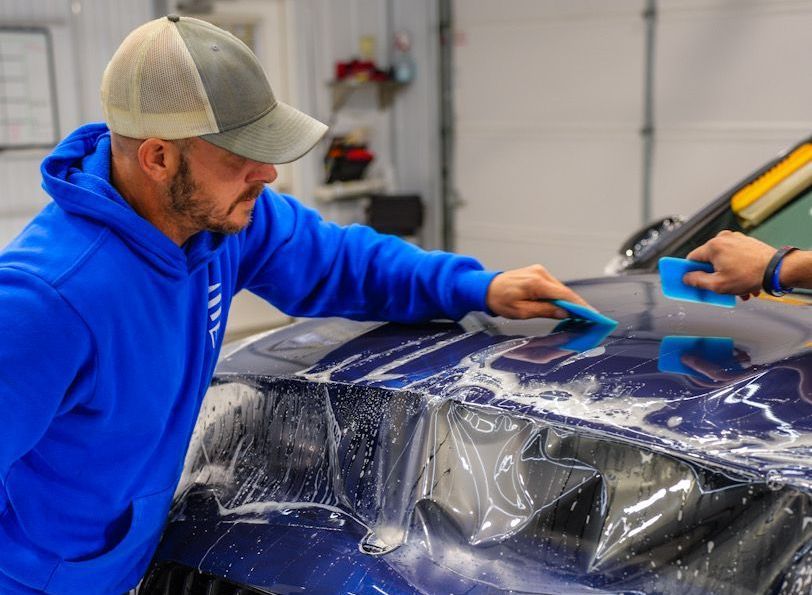
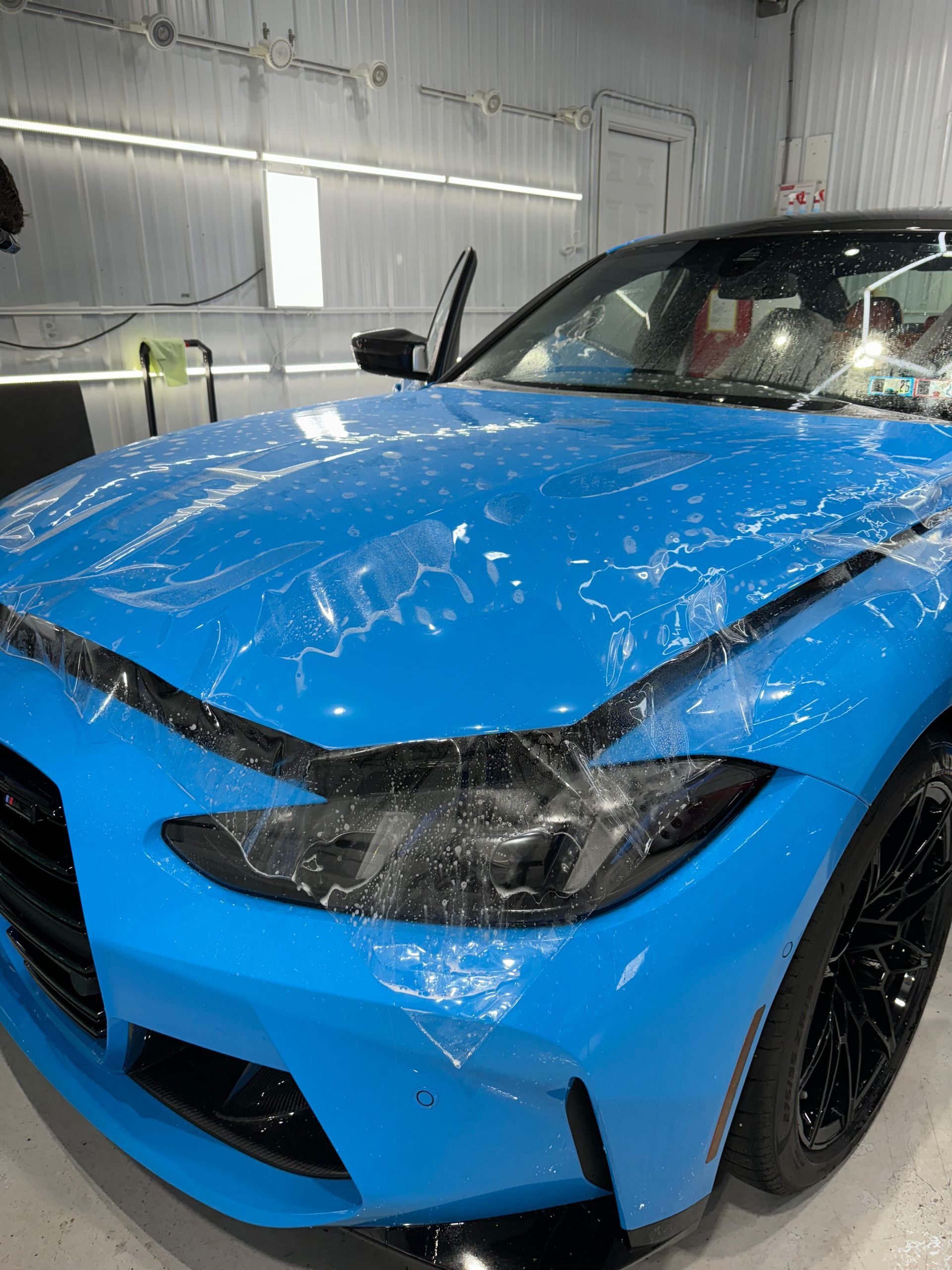
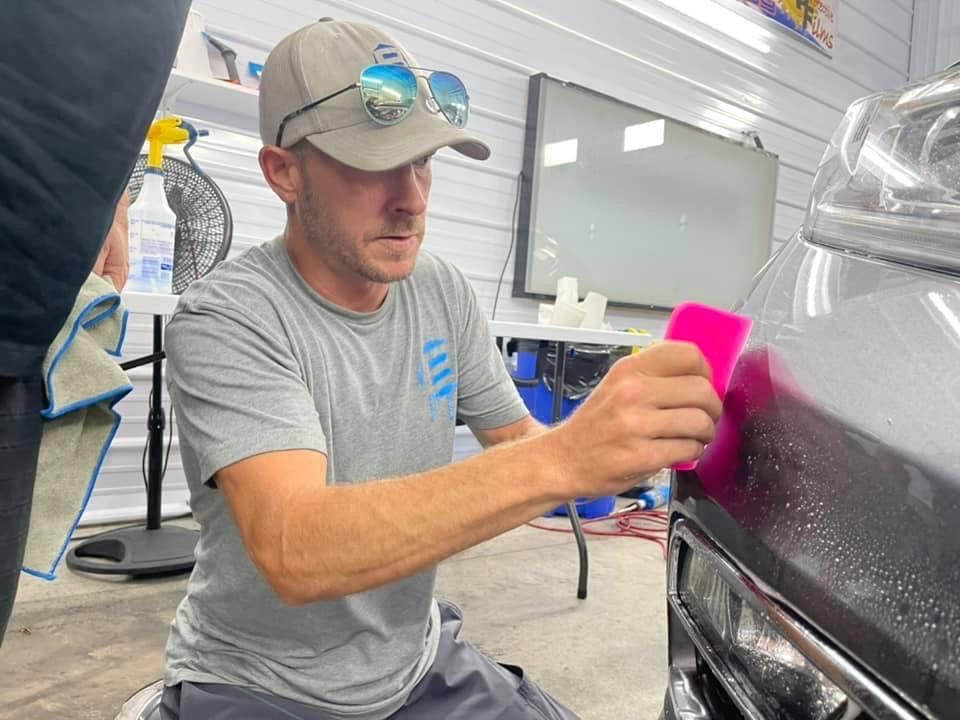
Ceramic coating application quality directly affects performance through Pennsylvania's weather extremes. Our Bethlehem location applies ceramic coating in controlled environments, ensuring proper curing. Pennsylvania's humidity and temperature variations affect coating cure time and bonding strength.
Surface preparation before coating application determines how well the coating bonds. Paint that looks clean still contains contamination that our climate generates. Professional preparation removes this contamination thoroughly, creating the clean surface coating required.
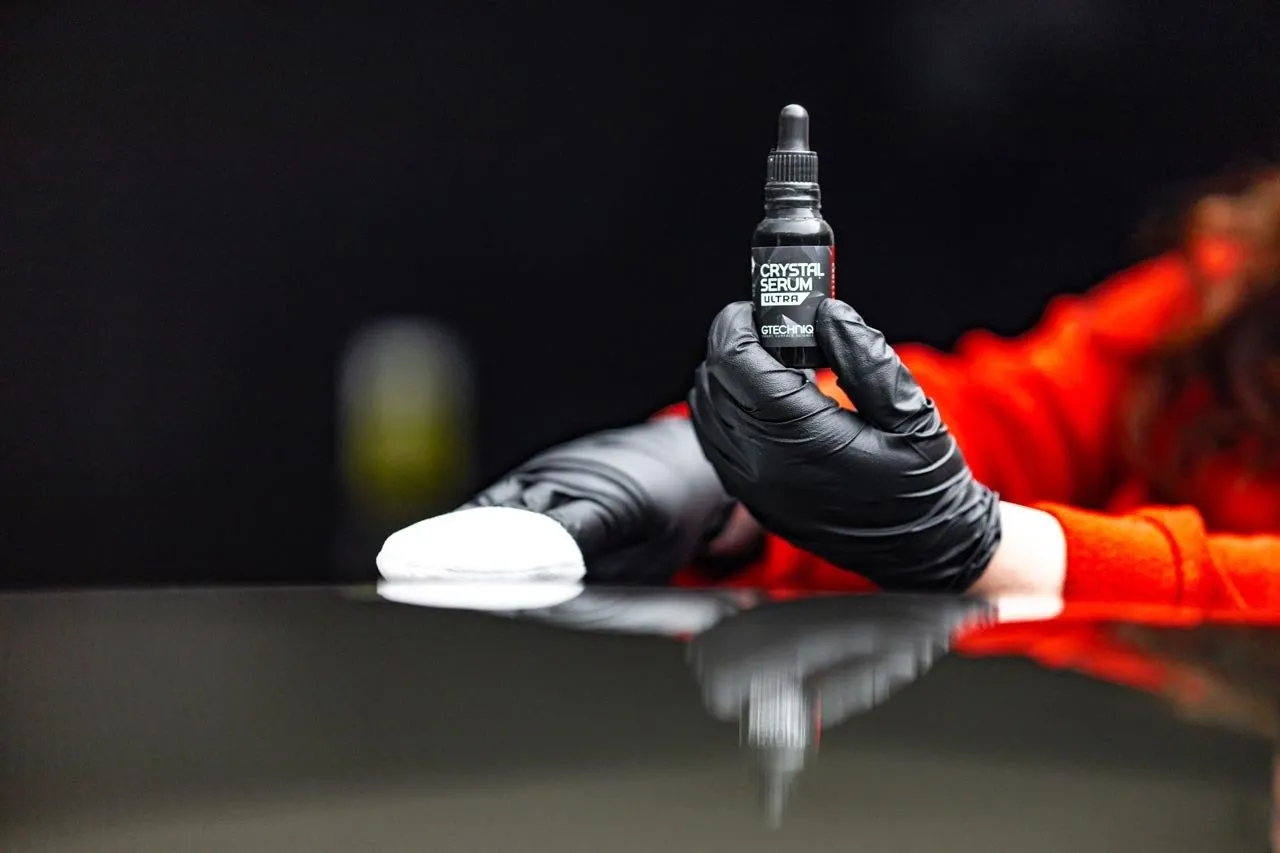
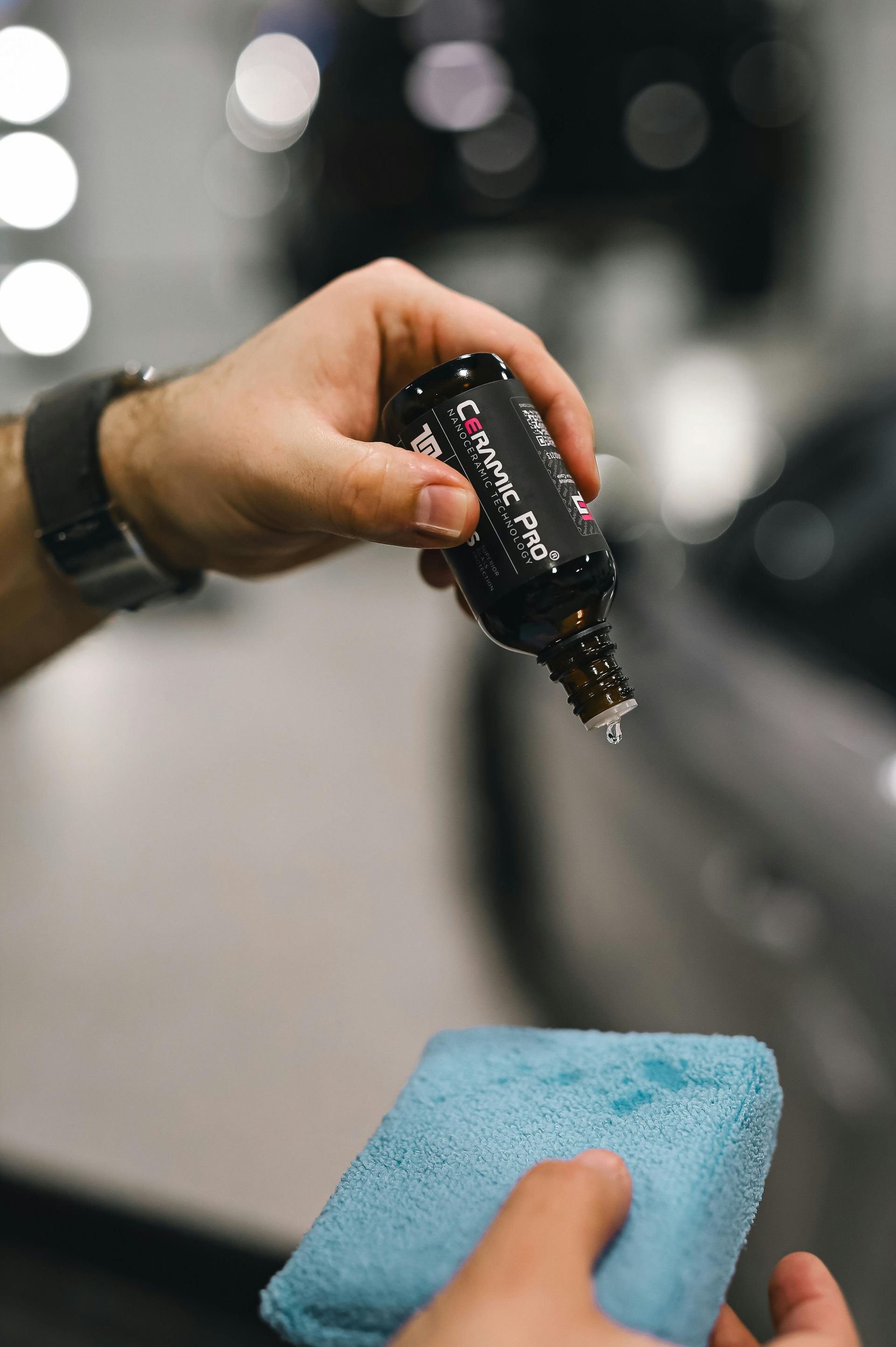
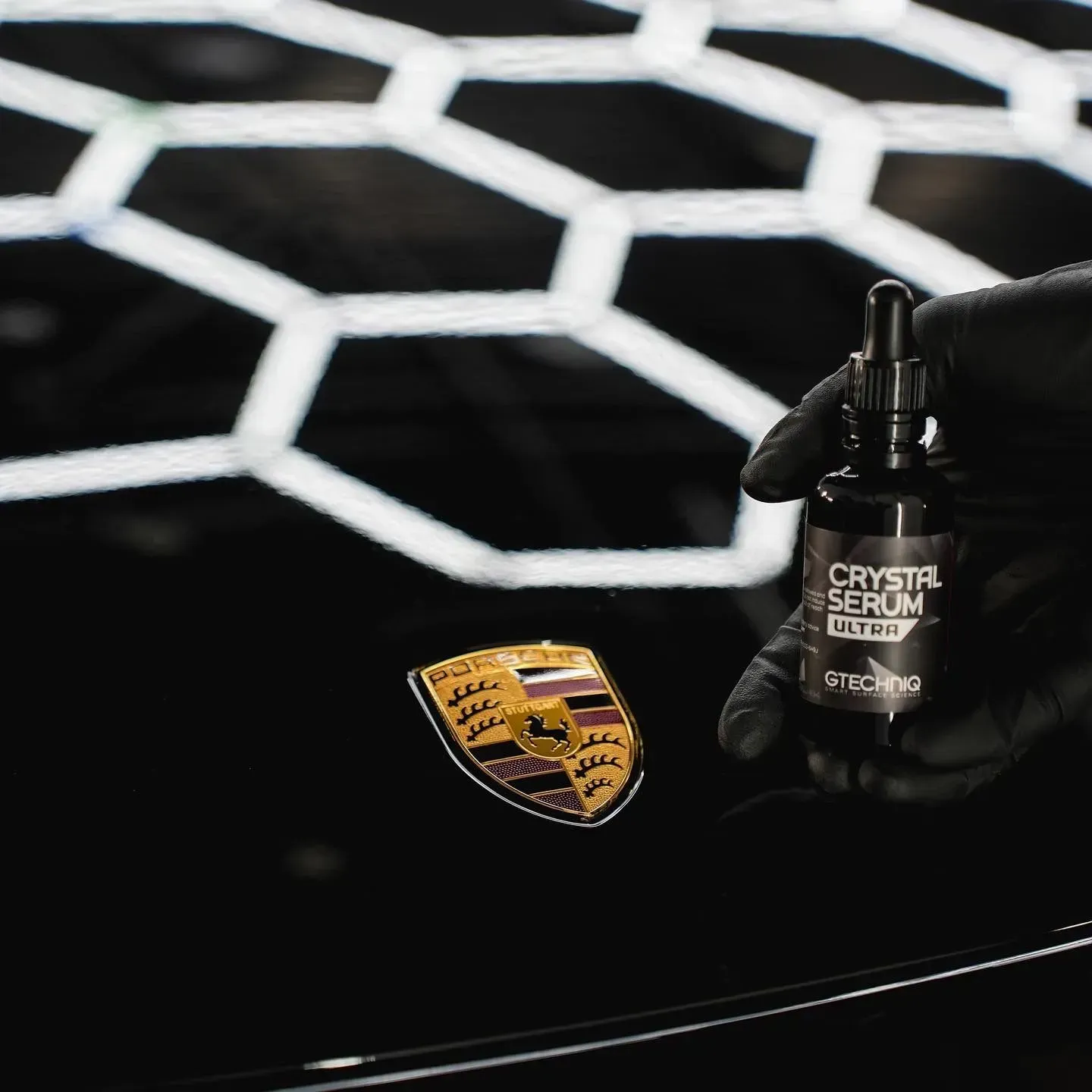
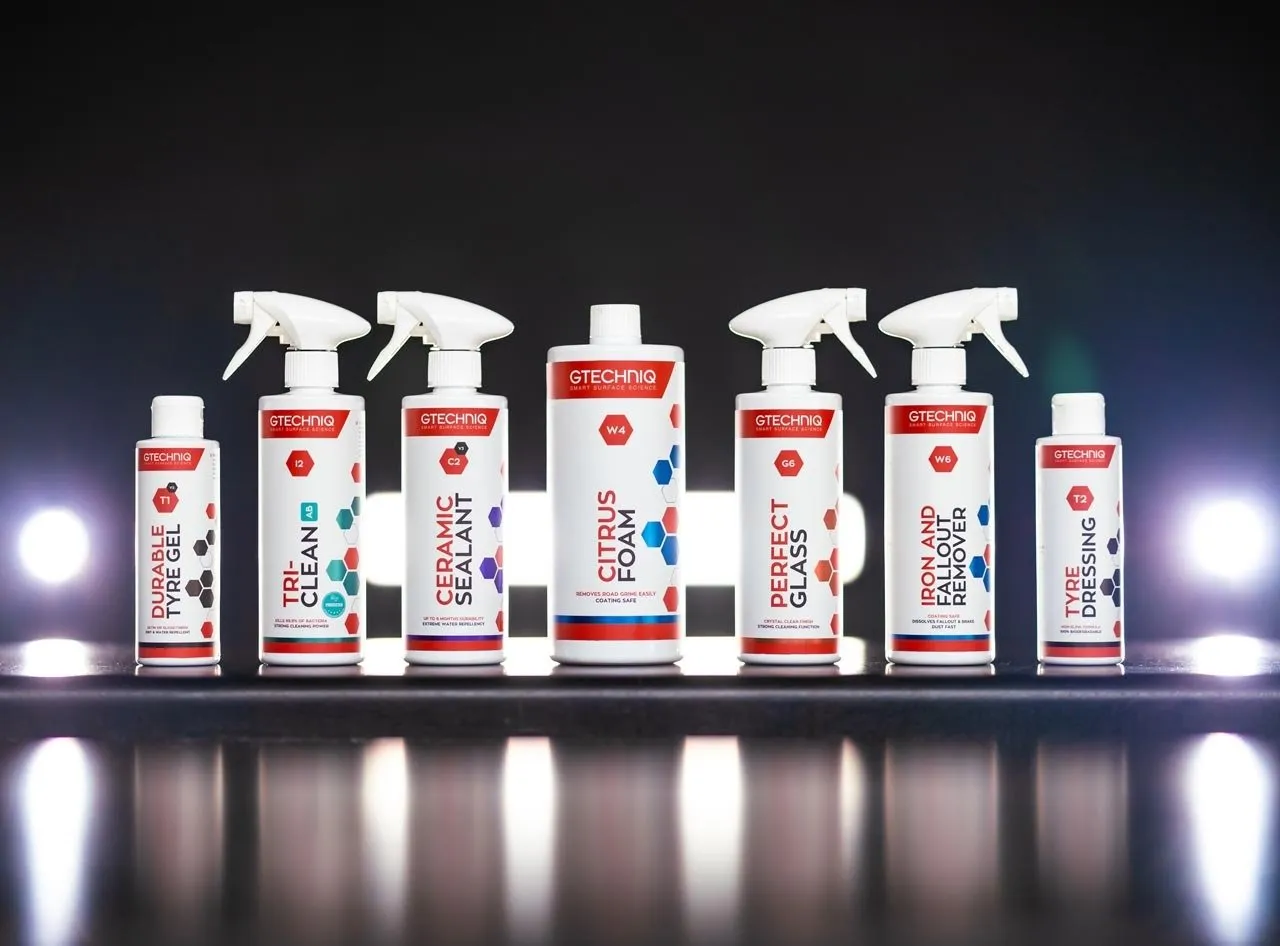
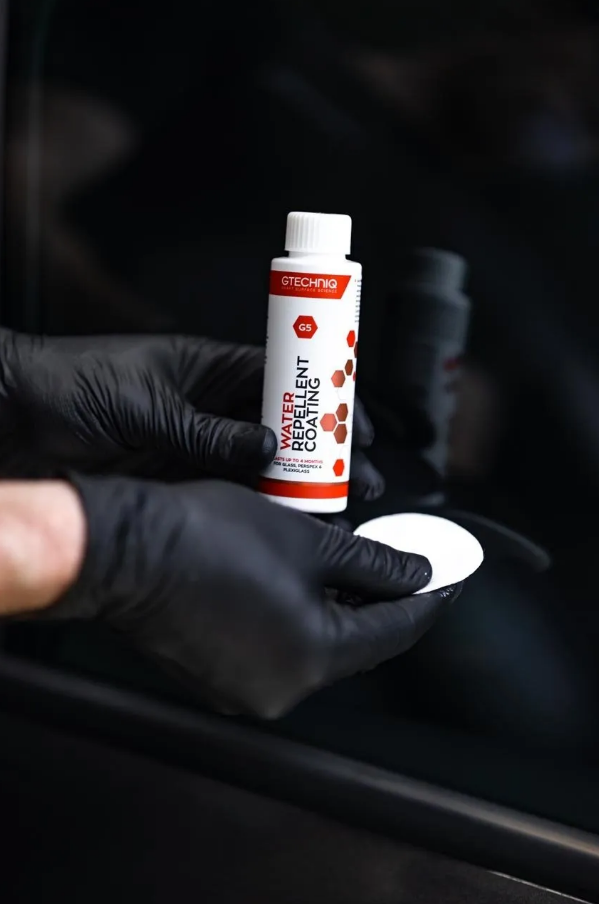
We use Gtechniq products designed for performance in varied climate conditions. These formulas handle Pennsylvania's temperature extremes and environmental challenges.
Making Protection Investment Decisions
Consider your vehicle's value and how long you plan to keep it. If you're driving the same vehicle through multiple Pennsylvania winters, the protection value increases substantially. Evaluate your parking situation and washing habits honestly. The coating makes maintenance more effective but doesn't replace it entirely.
Schedule Your Consultation Before Seasonal Changes
Timing ceramic coating application around Pennsylvania's seasons provides maximum value. Fall application before winter protects through the harshest season. Spring application after winter allows fresh protection to enter more easily in the warmer months.
At Beadz Auto Detailing, we evaluate your vehicle's current condition and explain how ceramic coating Lehigh Valley applications address the specific environmental factors your vehicle faces. Ready to protect your vehicle from Lehigh Valley's harsh conditions? Contact us at our Bethlehem location to schedule a coating consultation.
Frequently Asked Questions
Does ceramic coating prevent rust from road salt?
Ceramic coating protects paint surfaces from salt exposure but does not prevent mechanical rust on metal components. The coating creates a barrier preventing salt solution from penetrating the paint and reaching the metal underneath. This helps prevent paint-related corrosion but doesn't affect undercarriage rust. Regular undercarriage washing remains important.
How long does ceramic coating last through Pennsylvania winters?
Coating durability depends on product quality, application correctness, and maintenance consistency. Pennsylvania winters accelerate wear on any protection. Professional-grade coatings maintain protective properties through multiple winter seasons when properly maintained. The coating's effectiveness gradually diminishes over time rather than failing suddenly.
Can I apply ceramic coating myself to save money?
Professional application delivers superior results in harsh climates like ours. Pennsylvania's environmental factors make proper surface preparation and controlled application conditions more critical. DIY attempts often fail due to contamination during application or improper curing conditions. For vehicles facing our regional exposure, professional installation justifies the investment.
Does coating eliminate the need for winter washing?
No, ceramic coating makes washing easier, but it doesn't eliminate maintenance needs. Winter salt accumulation requires regular removal. The coating prevents salt from bonding to paint, making washing more efficient. However, allowing salt to sit on coated paint for extended periods still risks contamination.
When is the best time to apply ceramic coating in Lehigh Valley?
Fall application before winter provides maximum value by protecting through the harshest season. Spring application after winter allows assessment and correction of any winter damage before applying fresh protection. Avoid application during temperature extremes or high humidity periods. Professional installers schedule applications during optimal conditions.