Paint protection film yellowing is a legitimate concern that many vehicle owners research before investing. Rather than avoiding this topic, let's address it directly. Understanding what causes PPF yellowing, which factors accelerate it, and how film quality affects the timeline helps you make informed decisions.
All PPF can turn yellow eventually under certain conditions. However, the timeline varies dramatically based on film quality, environmental exposure, and maintenance habits. High-quality films resist yellowing far longer than budget alternatives.
The Chemistry Behind PPF Yellowing
PPF yellowing occurs through chemical degradation of the film's polymer structure. Urethane-based films contain polymer chains that break down when exposed to ultraviolet radiation. UV exposure causes these chains to fragment and recombine in ways that absorb light differently, creating yellow discoloration.
The process happens gradually. Early stages show a slight amber tinting barely noticeable to most observers. As degradation progresses, yellowing becomes obvious. You'll notice gradual clarity loss rather than sudden discoloration.
Quality films incorporate UV stabilizers into their formulation. These compounds absorb UV radiation before it reaches polymer chains, preventing or slowing degradation. Film grade directly correlates with stabilizer content - premium films contain substantially more UV protection than economy options.
Environmental Factors That Accelerate Yellowing
Your vehicle's exposure patterns determine how quickly yellowing develops. Certain environmental conditions dramatically accelerate degradation.
Key accelerating factors:
- Sun exposure: Vehicles parked outdoors in direct sunlight face constant UV assault. Southern climates with intense year-round sun accelerate yellowing faster than northern regions.
- Heat amplification: High temperatures speed chemical reactions. Black vehicles absorb more heat, creating hotter surface temperatures that accelerate yellowing.
- Pollutants: Industrial fallout, acid rain, and airborne contaminants interact with film surfaces, promoting yellowing. Urban areas typically show faster degradation.
- Moisture: Prolonged moisture exposure contributes to film degradation. Humid environments or frequent rain may develop different yellowing patterns.
Film Quality Determines Yellowing Timeline
Film quality creates dramatic differences in how long protection maintains clarity.
Budget films often show noticeable yellowing within two to three years of outdoor exposure. These products contain minimal UV stabilizers and use simpler polymer formulations. The lower initial price creates higher long-term costs through frequent replacement.
Mid-tier films typically maintain clarity for five to seven years under normal conditions with moderate UV protection.
Premium films from established manufacturers maintain clarity for eight to ten years or longer with proper maintenance. At Beadz Auto Detailing, we install STEK PPF, which includes substantial UV stabilizers and advanced polymer technology designed to resist yellowing.
Premium films use multi-layer construction with dedicated top coats engineered for environmental resistance. Budget films often lack these protective layers.
Top Coat Technology and Clarity Maintenance
Modern premium PPF incorporates specialized top coats that significantly impact yellowing resistance. The top coat serves as the first defense against environmental exposure, encountering UV radiation, pollutants, and temperature extremes before they reach the base polymer film.
High-quality top coats degrade gradually, protecting the underlying polymer from yellowing. Some premium films feature self-healing top coats that repair minor surface marks through heat exposure, maintaining a smooth finish that resists contamination accumulation.
Top coat formulation also affects hydrophobic properties. Films that shed water effectively prevent prolonged moisture contact that contributes to degradation.
Maintenance Habits That Extend Film Clarity
Proper maintenance significantly influences how long PPF maintains original clarity. Simple habits prevent conditions that accelerate yellowing.
Regular Washing Practices
- Wash film regularly to remove contaminants before they bond to surfaces
- Use pH-neutral soaps, avoiding harsh chemicals that attack polymer structures
- Rinse thoroughly to prevent soap residue buildup
- Dry properly to eliminate water spotting that concentrates contaminants
Contamination Removal
Tree sap, bird droppings, and insect residue contain acids that interact with film polymers. Remove these contaminants promptly rather than allowing extended contact. The longer acidic materials sit on film, the greater the potential for accelerated degradation.
Covered Parking Benefits
Garage parking dramatically reduces UV exposure, the primary cause of yellowing. Even partial shade helps. If covered parking isn't available, consider vehicle covers for extended storage periods.
Professional Inspection
Regular professional inspection identifies early yellowing signs before they become obvious. Early intervention sometimes addresses surface-level discoloration through proper cleaning techniques.
Recognizing When Yellowing Signals Replacement
Understanding the difference between surface contamination and actual film yellowing prevents unnecessary replacement while identifying when renewal makes sense.
Surface yellowing from contamination buildup often responds to thorough cleaning. This yellowing appears uneven, concentrating in areas with heavy contamination exposure.
Actual polymer yellowing shows consistent patterns across film surfaces and doesn't respond to cleaning because discoloration exists within the film structure. This yellowing typically appears first on horizontal surfaces receiving maximum sun exposure - hood, roof, and trunk areas.
Once polymer yellowing becomes visible, it will continue progressing. Yellow film provides less effective protection than clear film, making replacement a functional rather than purely aesthetic decision. Replacement timing depends on yellowing severity and your expectations.
Brand Tier and Warranty Coverage
Film manufacturers tier their products based on quality and warranty coverage. These tiers directly correlate with yellowing resistance.
Premium-tier films typically include warranties specifically addressing yellowing, confirming manufacturer's confidence in long-term clarity. Mid-tier products might include limited yellowing warranties with shorter periods or restrictive conditions. Budget films rarely offer yellowing warranties, signaling expected degradation that manufacturers won't stand behind.
When comparing options, request specific information about UV stabilizer content and yellowing warranty terms. Quality-focused installers provide this information readily.
The Role of Installation Quality
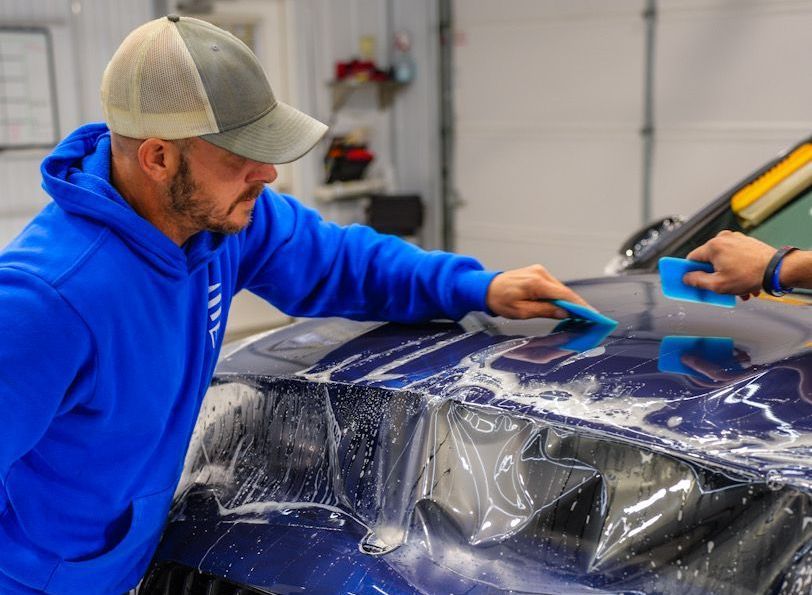
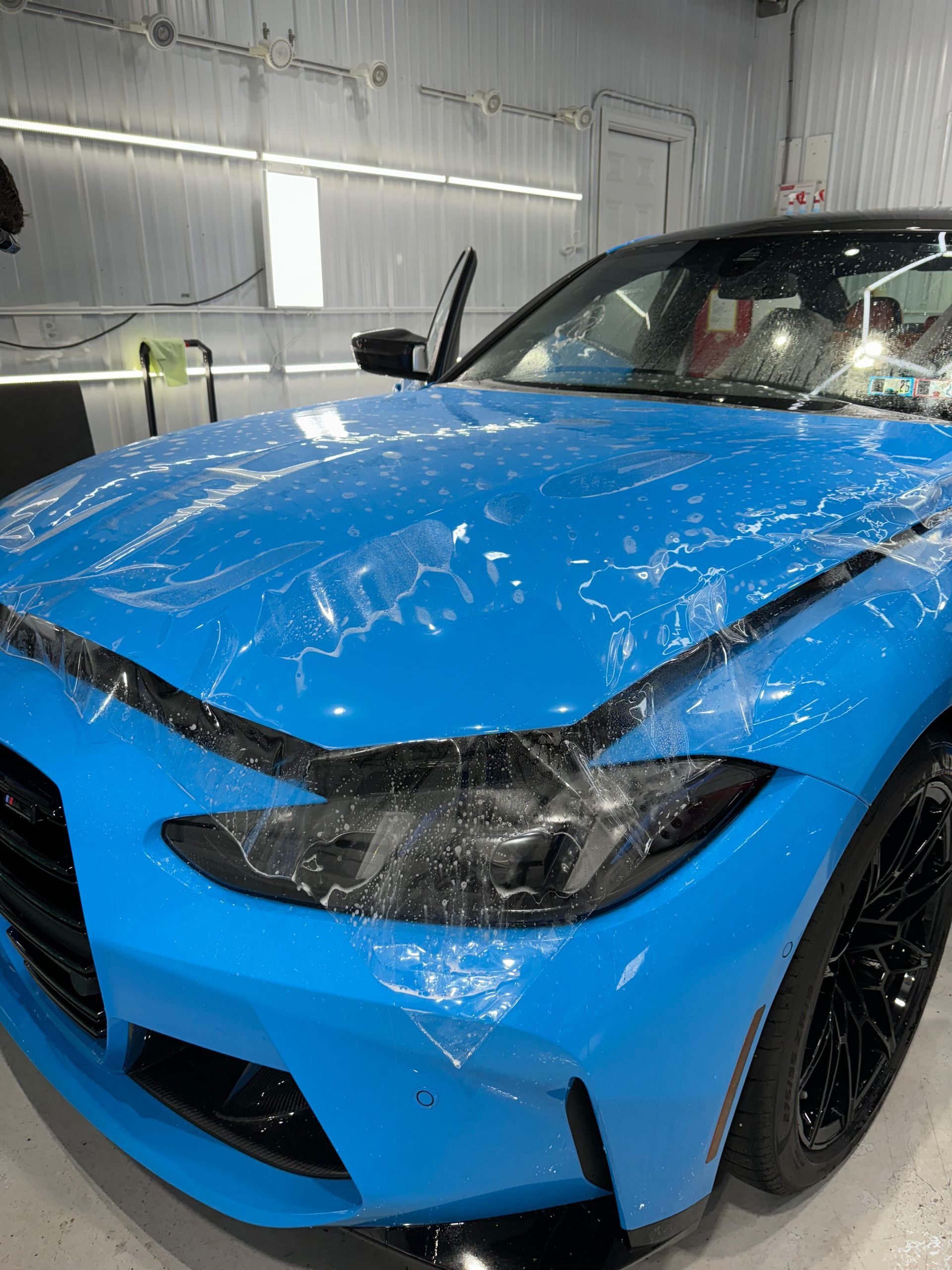
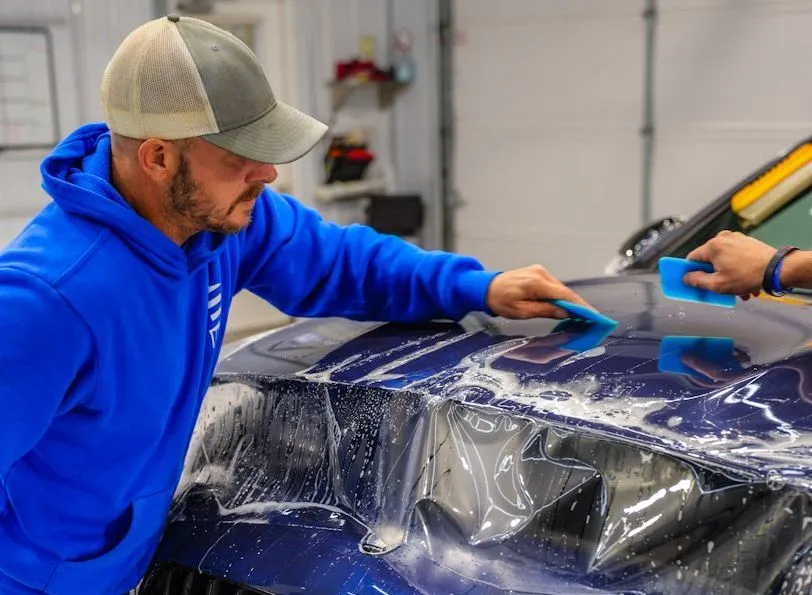
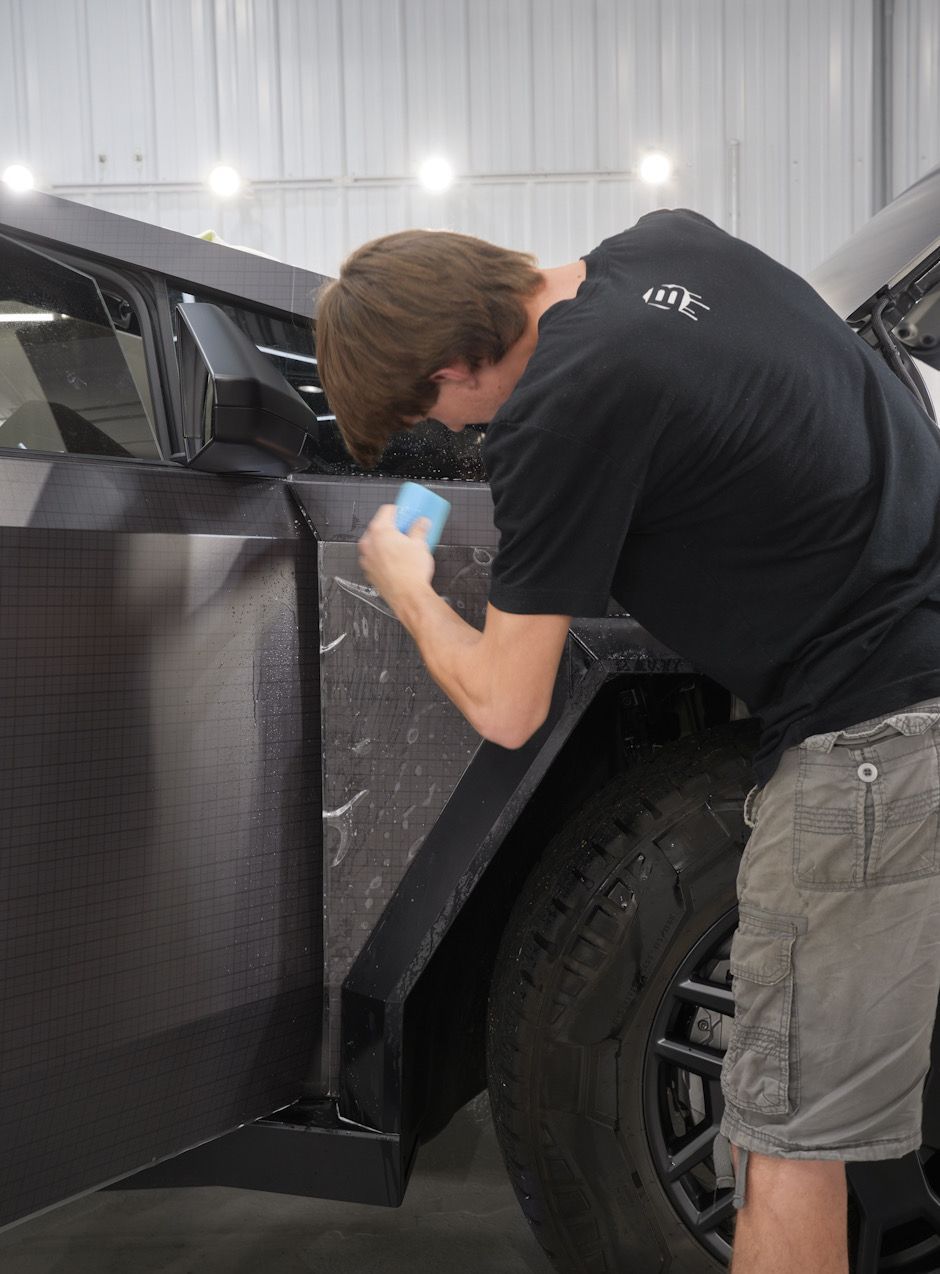
Professional installation affects yellowing development in less obvious ways. Contamination trapped under film during installation creates stress points where yellowing may develop preferentially. Professional surface preparation eliminates contaminants that could compromise long-term clarity.
The installation technique also affects film adhesion. Poor adhesion creates gaps where moisture accumulates, potentially accelerating degradation. Edge sealing prevents moisture intrusion that causes yellowing from film edges inward.
Making Informed Film Selection Decisions
Match film quality to your vehicle value and ownership timeline. Premium film makes sense for long-term ownership or high-value vehicles. A budget film might suffice for short-term ownership.
Evaluate your exposure conditions honestly. Garage-kept vehicles in moderate climates tolerate mid-tier films better than outdoor-parked vehicles in harsh sun. Ask installers direct questions about yellowing resistance, UV stabilizer content, warranty coverage, and expected clarity timeline.
At Beadz Auto Detailing, we discuss yellowing resistance openly because we install premium STEK films designed to maintain clarity. Ready to protect your vehicle with PPF that resists yellowing? Contact us to discuss film grades, UV resistance ratings, and realistic expectations for your specific situation.
Frequently Asked Questions
Can any PPF be completely yellowing-proof?
No PPF is immune to yellowing, given sufficient time and exposure. Premium films with substantial UV stabilizers maintain clarity for many years under normal conditions. The difference between budget and premium film isn't whether yellowing occurs, but how quickly it develops.
How can I tell if my PPF is starting to yellow?
Compare film appearance to uncovered areas or newly installed sections. Yellowing typically appears first on horizontal surfaces receiving maximum sun exposure. Early yellowing shows a slight amber tint, most visible against light-colored paint.
Does yellowed PPF still provide protection?
Yellowed film indicates polymer degradation that compromises protective properties. While it still offers some protection, degraded film performs less effectively. Yellowing signals the film is approaching the end of its functional lifespan.
Will removing yellowed PPF damage my paint?
Professional removal shouldn't damage properly prepared paint. Film adhesive degrades along with the polymer, often making aged film easier to remove. However, degraded film may leave adhesive residue requiring additional removal steps.
Is film yellowing covered under warranty?
Premium films typically include yellowing warranties with specific terms. Coverage usually requires proper maintenance and excludes damage from chemicals or improper care. Review warranty details before installation to understand coverage requirements.