Industry Secrets: How to Spot a Certified vs Non-Certified Coating Installer
GET A QUOTE (484) 866-3022Choosing someone to apply a protective coating to your vehicle isn't something you want to get wrong. The difference between a certified coating installer and someone who just claims they know what they're doing can affect the long-term health of your paint and your wallet. You might be wondering how to tell them apart, right?
Well, the truth is that not everyone offering coating services has gone through proper training. Some shops pick up a few bottles of product and start advertising without any real credentials backing their work. When you're investing in protection for your ride, you deserve to know exactly what separates the pros from the pretenders.
What Makes a Certified Coating Installer Different
A certified coating installer has completed manufacturer-specific training programs. These aren't weekend crash courses either. Real certification means the installer has learned proper surface preparation, application techniques, curing processes, and aftercare protocols directly from the product manufacturer.
Here's what actual certification involves:
- Hands-on training with the specific products they'll be using
- Testing on application methods and surface preparation
- Knowledge of paint correction requirements before coating
- Understanding of warranty terms and customer care instructions
- Ongoing education to maintain certification status
Think about it this way. Would you trust someone to work on your car's engine without proper training? The same logic applies to your paint. A proper ceramic coating requires skill, patience, and knowledge that only comes from certified training.
Certification Types You Should Know About
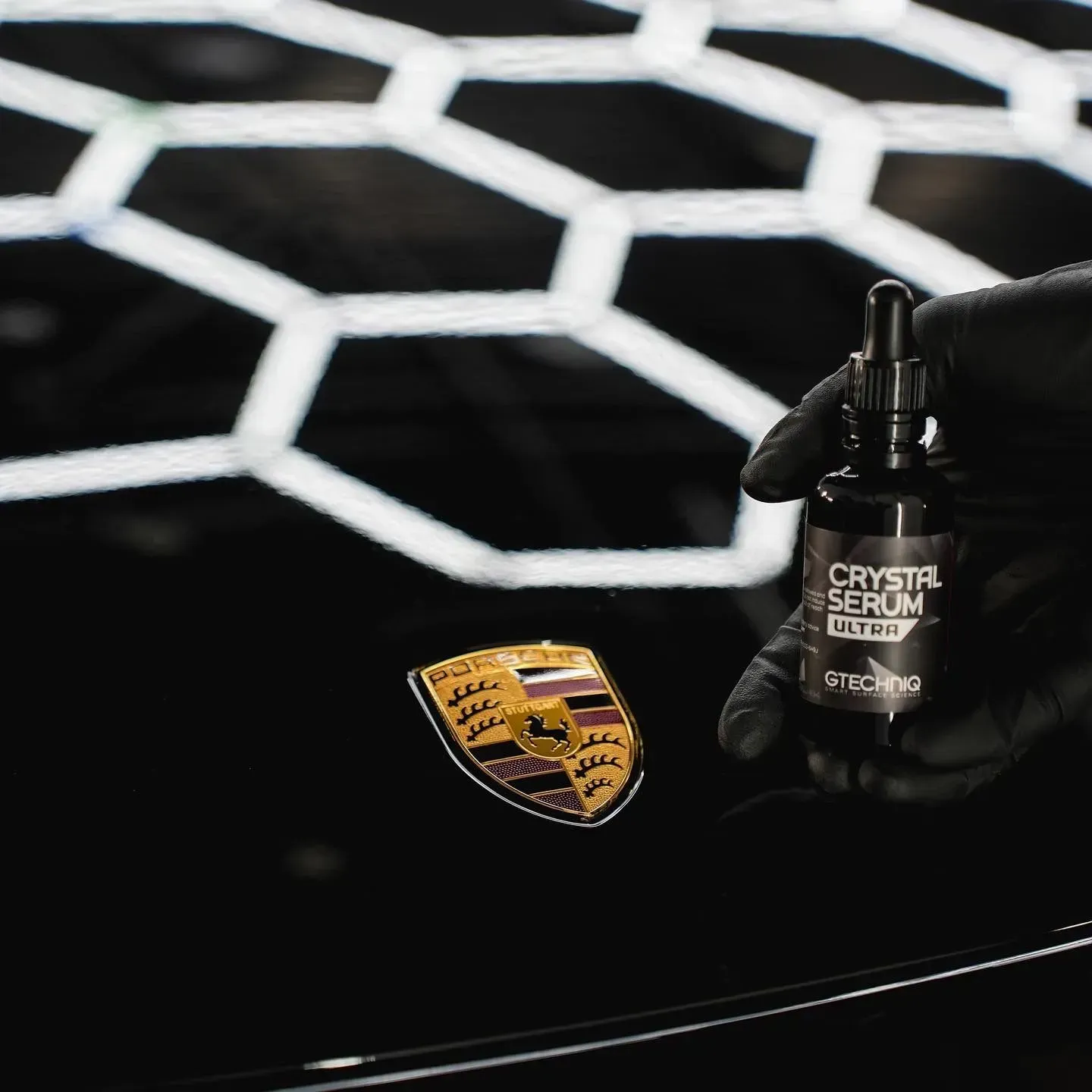
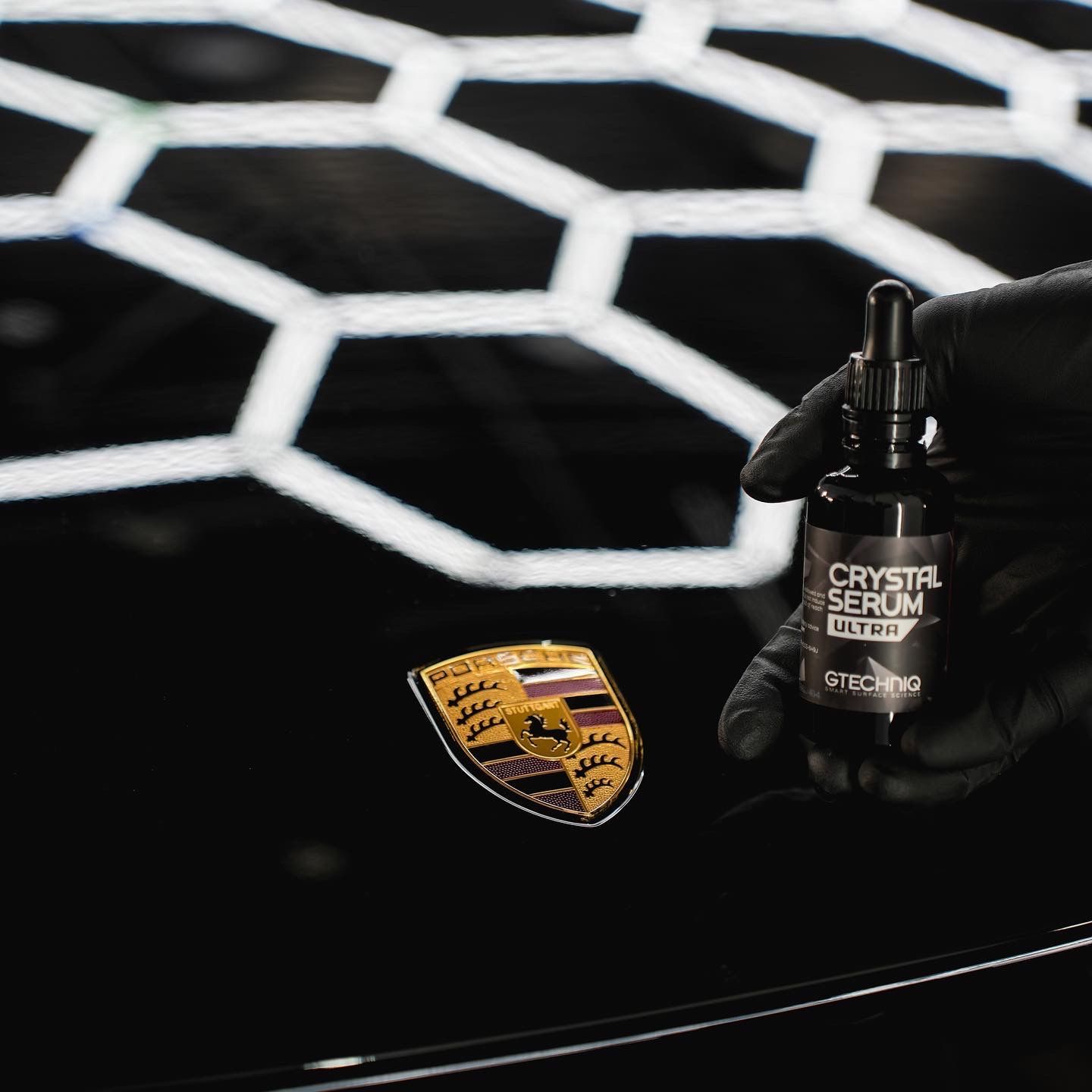
Not all certifications are created equal. Some product lines have stricter requirements than others. Gtechniq, for instance, maintains one of the more rigorous certification programs in the industry. Their installers must prove competency with specific products like Crystal Serum Ultra before they're allowed to offer those coatings.
When you're evaluating installers, ask which certifications they hold. A legitimate shop will happily show you its credentials. They've worked hard for those certifications, and they're proud of them. If someone gets defensive or vague about their training, that's your first red flag waving right in front of you.
How Certification Protects Your Investment
Beyond just knowing how to apply the product, certified installers understand the science behind what they're doing. They know how temperature affects curing times. They recognize when paint needs correction before coating. They can spot contamination that would compromise the bond between your paint and the protective layer.
This expertise matters because coating application is unforgiving. You can't just wipe it off and start over if something goes wrong. Poor application leads to:
- Uneven coverage that creates high spots
- Premature failure of the coating
- Trapped contaminants under the protective layer
- Voided manufacturer warranties
- Wasted money on a service that won't last
A certified coating installer follows protocols that prevent these issues from happening in the first place.
Red Flags That Should Make You Walk Away
Some warning signs are pretty obvious once you know what to look for. If a shop advertises coatings but can't tell you which specific products they use, that's a problem. Brand names matter in this industry. Saying "we use ceramic coating" is like saying "we use motor oil" - it tells you nothing about quality.
Watch out for these red flags:
- Refusal to show certification credentials
- No mention of specific product brands (Gtechniq, STEK, etc.)
- Promises of coating application without paint correction
- Pricing that seems too good to be true
- No detailed process explanation
- Missing aftercare instructions
- Rush jobs with same-day turnaround
Real coating work takes time. Anyone offering to coat your vehicle in a couple of hours is cutting corners somewhere. Proper surface prep alone requires several hours of meticulous work.
The Surface Preparation Factor
Here's something most people don't realize until it's too late. The coating itself is only as good as the surface underneath it. A certified coating installer knows that surface preparation is where the real work happens. They won't just wash your car and slap on product.
Proper prep includes:
- Thorough decontamination to remove embedded particles
- Clay bar treatment to eliminate bonded contaminants
- Paint measurement to assess clear coat thickness
- Correction work to remove swirls and marks
- Panel wipe to ensure a completely clean surface
- Controlled environment free from dust and debris
Non-certified installers often skip these steps or do them halfway. They might wash your car and call it prepped. But contamination left on the surface prevents proper bonding, and your expensive coating fails within months instead of lasting years.
Questions to Ask Before You Commit
When you're talking to potential installers, come prepared with questions. Their answers will tell you everything you need to know about their qualifications. Don't feel awkward about asking - any professional will respect that you're doing your homework.
Start with these:
- Which coating products are you certified to install?
- Can you show me your certification credentials?
- What does your surface preparation process include?
- How do you handle paint correction before coating?
- What warranty does the manufacturer provide?
- Do you supply aftercare instructions and maintenance products?
- Can I see examples of your previous coating work?
Pay attention to how they respond. Detailed, confident answers indicate expertise. Vague responses or irritation at being questioned suggest they might not have the qualifications they claim.
Why Manufacturer Warranties Matter
This is huge and often overlooked. Manufacturer warranties only apply when certified installers do the work. If a non-certified person applies the product, you get zero warranty coverage. None. Even if they used legitimate products, the manufacturer won't stand behind work done by uncertified hands.
What does this mean for you? If the coating fails prematurely, you have no recourse. You're stuck with a failed product, and you're out whatever you paid. When you choose a certified shop like Beadz Auto Detailing, you get the full manufacturer's backing because the work meets their standards.
The Real Cost of Going Non-Certified
Let's talk money for a second. You might find someone offering coating services for significantly less than certified installers. Seems like a deal, right? But here's what that "savings" actually costs you:
The coating fails prematurely instead of lasting years. You have to pay to have it removed. Then you pay again to have it done right. You've now spent more than if you'd just gone to a certified installer from the start. Plus, your paint might have damage from improper application that needs correcting.
Cheap coating work is expensive in the long run. Every single time.
How to Verify Certification Claims
Don't just take someone's word for it. Most coating manufacturers maintain databases of certified installers. You can verify certification claims directly with the manufacturer to confirm that the installer you're considering actually holds the certifications they claim.
If a shop says they're certified, but you can't find them in the manufacturer's database, ask them about it. There might be a legitimate explanation - maybe they recently completed certification and haven't been added yet. But if they get defensive or can't provide proof, you know something's off.
The Gtechniq Certification Standard
Since we're talking about high-quality coatings, Gtechniq deserves special mention. Their certification program is among the most thorough in the industry. Installers must complete intensive training on specific products and maintain their certification through ongoing education.
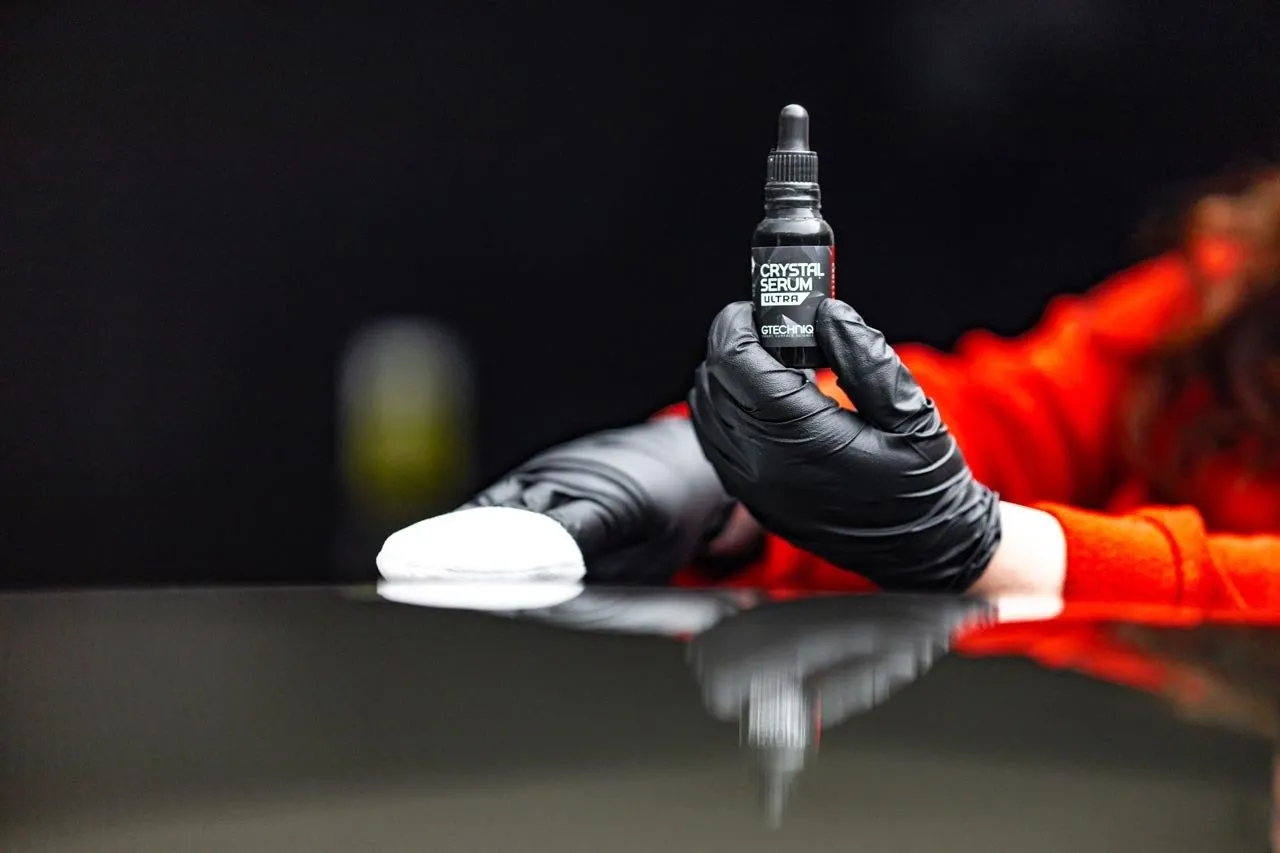
When you see a shop advertising Gtechniq coatings, verify they're actually certified. The products themselves are top-tier, but only when applied by trained hands. Crystal Serum Ultra, for instance, requires specific application techniques that uncertified installers simply don't know. You can learn more about Gtechniq ceramic coatings and what makes them different from consumer-grade products.
Looking at the Bigger Picture
A certified coating installer isn't just someone who took a class once. They're professionals who stay current with product developments, maintain their credentials, and follow manufacturer protocols. They invest in their education because they care about delivering results that last.
When you're evaluating shops, look at their overall approach. Do they also offer complementary services like paint protection film and interior and exterior detailing? Shops that provide comprehensive protection services typically have higher standards across the board.
Your Vehicle Deserves Certified Protection
At the end of the day, your car represents a significant investment. Protecting that investment with quality coatings makes financial sense. But only if the coating is applied correctly by someone who actually knows what they're doing.
Don't gamble with your paint. The money you might save by going with a non-certified installer isn't worth the risk of damaged paint, failed coatings, and voided warranties. Find a certified coating installer who can show you credentials, explain their process, and back up their work with manufacturer warranties.
Your ride deserves nothing less than professional-grade protection applied by trained hands. That's not marketing speak - that's just common sense.
Ready to Protect Your Vehicle the Right Way?
Choosing the right coating installer makes all the difference between protection that lasts years and protection that fails prematurely. At Beadz Auto Detailing, our team maintains certifications with industry-leading manufacturers like Gtechniq, ensuring every coating application meets the highest standards. We don't just apply product - we prep your paint properly and follow manufacturer protocols.
Stop wondering if your installer knows what they're doing. Work with certified professionals who can prove their qualifications and deliver results that last. Contact us to discuss your coating options and see why certification matters for your vehicle's protection.
Frequently Asked Questions
What certifications should I look for in a coating installer?
Look for manufacturer-specific certifications from reputable brands like Gtechniq. These certifications prove the installer has completed hands-on training with the products they're using. They should be able to show you credentials, and you should be able to verify their certification through the manufacturer's website. Generic "ceramic coating certified" claims without specific manufacturer backing aren't worth much.
Can a coating be applied without paint correction?
While it's physically possible to apply a coating over uncorrected paint, certified installers won't do it. Paint correction removes marks, swirls, and defects before coating application. Without correction, the coating magnifies every imperfection instead of hiding it. You end up with a glossy finish that highlights every mark on your paint. Proper installers include at least basic corrections in their coating packages because they understand this relationship.
How long does proper coating application take?
Legitimate coating application takes time, depending on the package and your vehicle's condition. Surface preparation alone requires several hours. Paint correction adds more time. The actual coating application must be done carefully in a controlled environment. Anyone promising rushed coating work is cutting corners that will compromise your results.
Why does certification affect warranty coverage?
Coating manufacturers only warranty their products when applied by certified installers. This protects both you and the manufacturer from improper application that causes premature failure. If a non-certified person applies the coating and it fails, the manufacturer won't replace the product or refund your money. Your warranty coverage depends entirely on using a certified installer who follows approved protocols.
How much more does a certified installer cost?
Certified installers typically charge more than uncertified competitors. However, you're paying for expertise, proper equipment, manufacturer-backed warranties, and results that actually last. When you factor in the cost of redoing failed coating work, certified installation is actually more cost-effective in the long run. Quality coating work done right the first time costs less than cheap work that needs to be stripped and redone.